City travel is changing as startups connect public transit, shared services and real-time information through simple digital tools. Their innovations can shorten transfers, reduce uncertainty and give residents and visitors more practical ways to move through crowded areas.
The most useful ideas solve familiar problems, such as finding a ride after the last train, choosing an accessible route or exploring during a long station layover. These innovations often leverage technology to provide seamless experiences, from real-time navigation updates to premium doorstep service for device repairs.
The Rise of On-Demand Services
On-demand mobility services fill gaps that fixed transit schedules can’t always cover. App-based shuttles, shared bikes and short-term vehicle rentals give people more options for the first or last part of a trip. A commuter might take a train into the city, then book a shared bike for the final mile instead of waiting 20 minutes for a bus.
Some cities are also testing demand-responsive minibuses. These services pick up passengers at flexible points and use software to adjust routes as requests come in. They can work well in neighbourhoods where a full-size bus running on a fixed route would carry only a few passengers. Operators get better vehicle use, while riders get service tailored to actual demand.
Startups are competing to improve urban travel because dense cities provide a clear testing ground for new services. An overview of the urban mobility startup race shows how companies are addressing congestion, access and inefficient connections.
Travel support services also belong in this growing on-demand ecosystem. If you have several hours between arrival and hotel check-in, you can store bags Frankfurt Central Station through an online booking service that works with verified local partners. Removing luggage from the equation makes walking, using transit and visiting nearby attractions far easier.
Before selecting any on-demand option, compare the full price, operating area and return rules. Check the last available pickup time as well. A low base fare offers little value if a service stops before your evening train arrives.
Tech-Driven Navigation Solutions
A modern trip planner can process far more than street directions. New platforms combine transit timetables, live vehicle positions, walking routes and shared mobility availability in one interface. When a train is delayed, the software may suggest a different station exit, a nearby bus or a short walk to another line.
The best tools also account for personal needs. Someone travelling with a stroller may prefer routes with elevators and fewer transfers. A cyclist needs information about protected lanes, steep streets and parking points. Travellers with limited mobility benefit from current elevator status and step-free station details. These features turn a generic map into a more useful decision tool.
Many tech-driven mobility solutions draw on traffic sensors, connected infrastructure and live data. Yet a recommendation’s quality still depends on the quality of that data. Construction work, a closed station entrance or a full bike dock can quickly make an otherwise sensible route impractical.
Use navigation apps as active planning tools. Review the full route before leaving, note the transfer station name, and keep a backup option in mind. If you’re travelling somewhere unfamiliar, download an offline map in case mobile coverage drops underground. It also helps to compare the app’s proposed route with local transit notices, especially during major events or planned maintenance.
Cities have a role here as well. Open, standardised transport data allows smaller companies to build useful products without operating an entire transit network themselves.
Image Credit: Pexels
Rethinking Personal Transportation
Personal transportation is becoming more varied as compact electric vehicles, subscription services and shared fleets enter city streets. For many people, the practical question is no longer which vehicle to own. They can now choose a mode for each trip based on distance, weather, cost and available infrastructure.
A shared bike may suit a two-mile trip on a protected route. A compact electric vehicle could cover a longer connection, while a train remains the better option across the city. This flexible approach can reduce the amount of space needed for parking and help households avoid paying for an asset that sits unused most of the day.
The shift also reflects broader technology-led disruptions affecting transport, consumer behaviour and established business models. Subscription plans are one example. Instead of purchasing and maintaining a vehicle, a customer may pay a monthly fee for access to different transport options. The appeal depends on transparent pricing and reliable availability near home and work.
If you’re considering a shared or subscription service, calculate the cost around your real weekly routine. Include membership fees, per-minute charges, parking costs and occasional surge pricing. Compare that total with a transit pass or individual tickets.
Infrastructure matters just as much as the product. Protected routes, clear parking areas and consistent operating rules determine whether personal mobility services become dependable parts of a city or create new obstacles on already busy sidewalks.
Enhancing Travel Convenience with Smart Tech
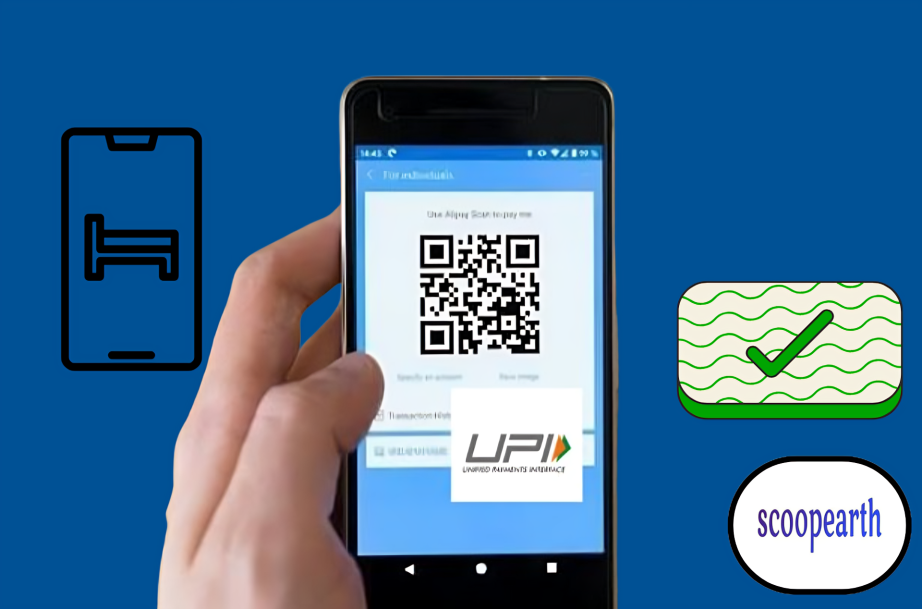
Smart mobility includes many small improvements that reduce friction during a trip. Contactless payments remove the need to buy a different ticket for each mode. Digital passes can combine rail, bus and bike access, while real-time alerts help passengers respond to cancellations before reaching the platform.
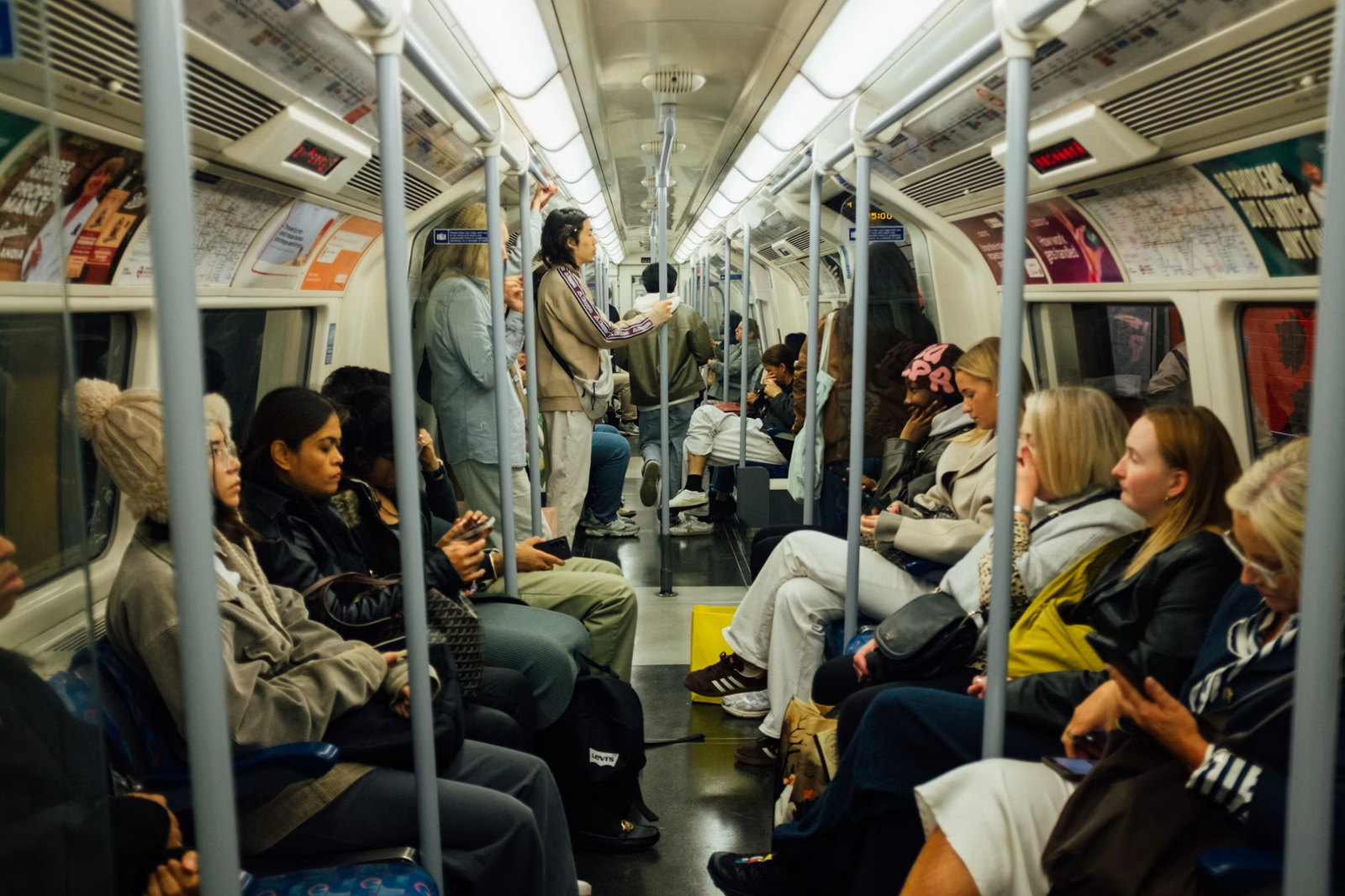
Startups are also developing tools for accessibility and safety. Audio directions can help travellers find the correct entrance. Indoor positioning can guide passengers through large stations where satellite signals are weak. Occupancy information may show which train cars have more space, giving a traveller with luggage or a stroller time to move along the platform.
These features work best when they require little effort. A visitor shouldn’t need five accounts and several payment methods to travel across one city. Clear interfaces, familiar payment options and support in multiple languages improve adoption. Privacy controls deserve equal attention because mobility apps may collect location histories, payment details and travel habits.
You can make smart travel tools more useful by setting them up before departure. Add a payment method on a secure connection, enable only the notifications you need and save important tickets offline. Review location permissions too. Some services need precise access during a trip but don’t require it all the time.
Battery life is another practical concern. Live directions, Bluetooth, and bright screens drain power quickly, so carry a charged power bank on long days out. Save the address of your accommodation and the final departure time in a separate note. That basic backup can prevent a minor technical problem from disrupting the entire day.
The Future of Urban Exploration
The next stage of urban mobility will develop through cooperation between startups, city agencies and established transit operators. No single app or vehicle can solve every transport challenge. Cities need services that fit local streets, connect with existing networks and remain affordable for regular users.
Pilot programs offer a controlled way to test those ideas. The RAPTOR 2026 city trials bring European cities and startups together to examine mobility solutions under real operating conditions. Trials can reveal issues that are hard to spot in a presentation, including poor pickup locations, confusing instructions and low demand at certain times.
Useful pilots should measure more than app downloads. Travel time, service reliability, accessibility, emissions and the number of trips connecting to public transit offer a clearer view of performance. Public feedback can show if a service works for older residents, visitors and people without constant mobile data access.
For travellers, these developments may make urban exploration less dependent on detailed advance planning. A visitor arriving at a central station could check live transit conditions, leave luggage nearby, reserve a shared ride and receive an accessible walking route from a single device. The city becomes easier to experience because practical barriers are handled when they arise.
The strongest mobility startups will focus on those ordinary moments. A reliable transfer, a clearly marked pickup point and an accurate delay notice may seem modest, but together they determine how confidently people can move through a city.