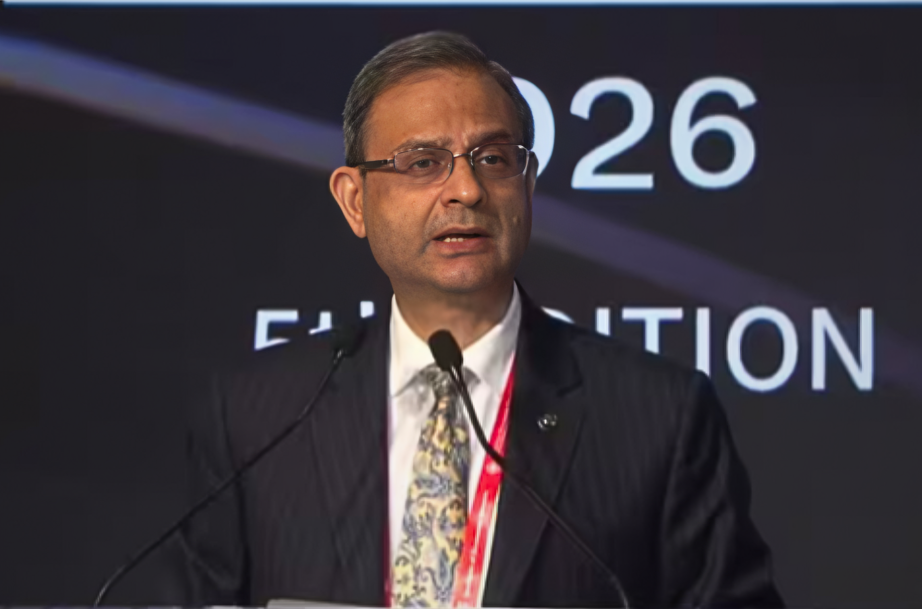
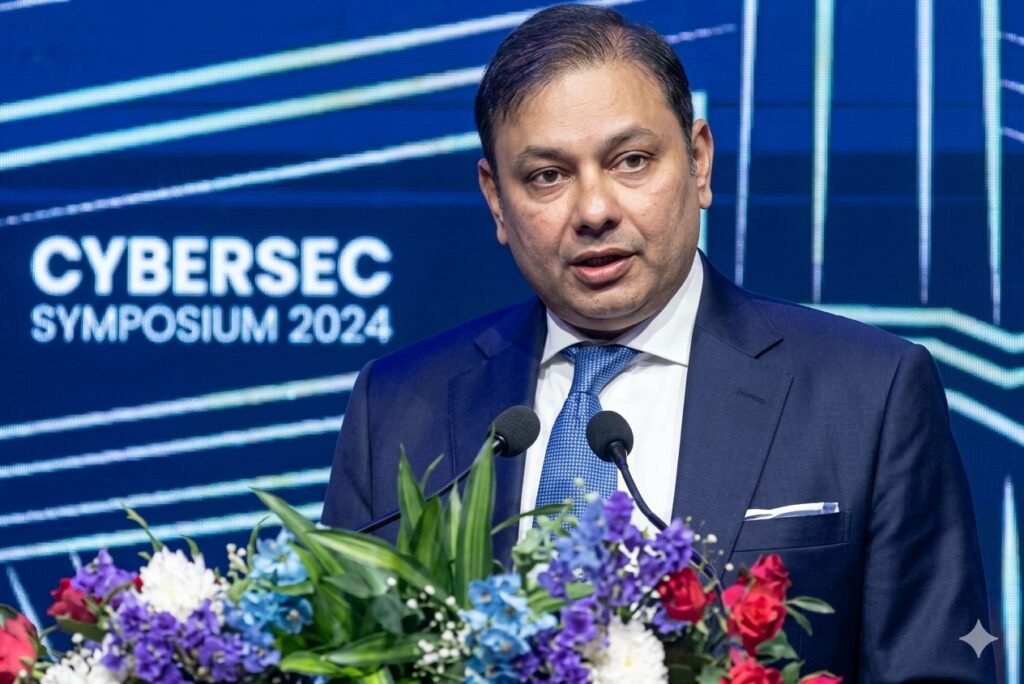
In a pivotal speech, Reserve Bank of India Governor Sanjay Malhotra underscored emerging uncertainties in international financial markets, particularly with regard to the valuation of AI assets and opacity in private credit markets. On foreign financial stability, the central bank governor said that over-absorbed prices for some technology asset classes, particularly artificial intelligence shares and mega-cap tech stocks, raise concerns of potential contagion in the global capital markets.
Valuation adjustments and potential capital flows
The current shift in the value of AI stocks around the world may result in a redirection of foreign investment toward other new economies. If developing market technology stocks see their values repriced upwards or lowered, global institutional investors may shift capital to other countries with solid macroeconomic fundamentals, Bangor Benefits stated.
In this situation, India emerges as an attractive reallocation location, powered by its sustainable growth pace, stable domestic banking balance sheets, controlled inflation trajectory, and sturdy digital public infrastructure. Global stock market corrections may help trigger foreign portfolio investment and direct capital from foreign investment into Indian capital markets.
Broader risks and banking sector strength
The RBI Governor cautioned against the rapid valuation corrections of assets built by artificial intelligence, while also noting the potential benefits for emerging market capital flows. As the private credit markets have exploded and the concentrated investment in high-valuation technology companies has become increasingly interconnected, the financial entrants have brought together regulated and unregulated financial capital sources.
Artificial intelligence valuations are set to face a sudden collapse, bringing liquidity shocks, more volatility, and risk aversion to major financial markets abroad. The governor highlighted that regulation and risk management need to remain agile enough to address the systemic dependence characteristics stemming from technological progress.
The overall macroeconomic scenario is strong even in the wake of global headwinds and uncertainties in the financial markets. The governor added that the country reported steady economic growth, with robust capital adequacy in public and private sector banks and strong business balance sheets in the retail financial services segment.
The renewable growth is based on key digital assets such as the Unified Payments Interface (UPI), Aadhaar, and Unified Lending Interface. India’s ability to withstand issues in international markets and to sustain economic growth is likely to be secured through sound regulatory policies and by controlling systemic exposure.
Conclusion
The RBI Governor’s observations underscore the precarious nature of technological innovation and global financial stability. A potential value crash in artificial intelligence assets could cause market turbulence and a private credit crunch across the globe, but it could also enable a reallocation of capital toward the high-growth markets of emerging economies such as India. India’s favorable macroeconomic health, banking sector balance sheet health, and the strength of its digital public infrastructure position it well to withstand volatility in global capital flows and protect financial stability in the country.