Retail is one of the most important sectors in the American economy. Grocery stores, pharmacies, warehouse clubs, home-improvement chains, and online marketplaces represent just some of the varied retailers bringing together millions of consumers and the different products they use every day.
The U.S. retail market is also unusual in its diversity. A shopper can pick up groceries at Kroger, buy some furniture at a home-improvement retailer, purchase household products at Walmart, get a prescription at CVS or shop for almost any product imaginable on Amazon.
Behind these daily transactions are some of the U.S.’s largest and most recognizable companies.
1. Walmart
| Field | Details |
|---|---|
| Founded | 1962 |
| Headquarters | 702 S.W. 8th Street, Bentonville, Arkansas 72716, USA |
| Business | Retail / omnichannel retail |
| Main Products/Services | Grocery, general merchandise, apparel, electronics, home products, health and wellness, pharmacy, eCommerce, delivery and pickup services |
| Main Brands | Walmart, Walmart Neighborhood Market, Sam’s Club, Great Value, Equate, Mainstays, George, onn., Bettergoods, Marketside |
| Main Focus | Everyday low prices, broad product assortment, convenient omnichannel shopping, technology, eCommerce and customer value |
| Key Figure | John Furner, President and CEO (effective February 1, 2026) |
| Public Listing | Nasdaq: WMT |
| Funding/Valuation | Publicly traded; market value varies with share price |
| Net Revenue | ~$681 billion (fiscal 2025) |
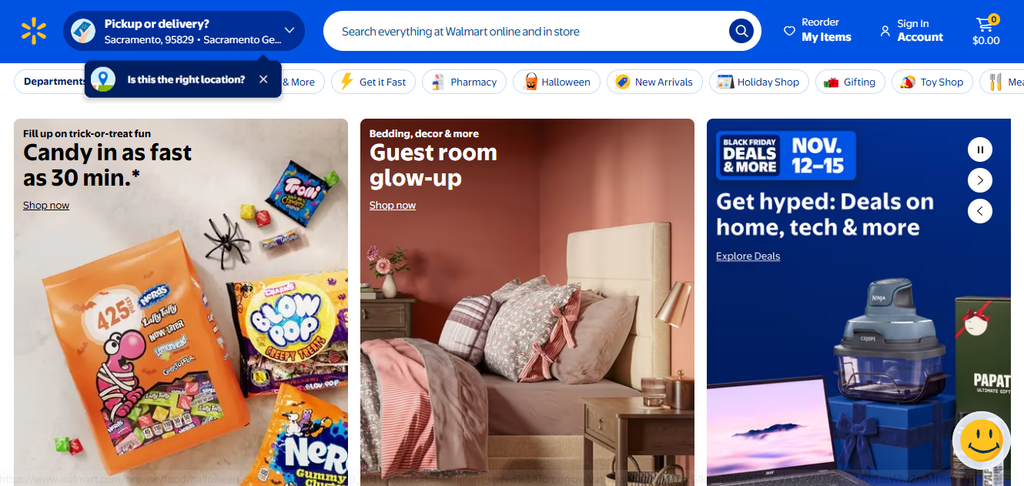
Based on the NRF’s 2026 ranking, Walmart recorded approximately $575.99 billion in U.S. retail sales in 2025, placing the company at the top of the list. Its U.S. retail sales increased by about 4.2% compared with 2024.
Walmart’s biggest strength is its broad product selection. Customers can find groceries, clothing, electronics, home products, personal-care items, toys and much more under one roof. Its large store network also gives it a significant physical presence across the U.S.
Walmart has invested heavily in its online business as well. Its retail strategy increasingly combines stores with digital shopping, pickup and delivery services. The company also continues to develop its private-label brands, including Great Value, Equate and Mainstays.
The retailer’s focus on convenience and everyday value has helped make it a regular destination for millions of American households.
2. Amazon
| Field | Details |
|---|---|
| Founded | 1994 |
| Headquarters | Seattle, Washington, USA |
| Business | E-commerce, cloud computing, digital streaming and technology |
| Main Products/Services | Online retail marketplace, Amazon Prime, AWS, digital content and streaming, advertising, devices, logistics and grocery retail |
| Main Brands | Amazon, Prime, AWS, Kindle, Alexa, Ring, Whole Foods Market, Audible, Zappos |
| Main Focus | Customer-centric commerce, technology, cloud services, logistics, digital services and innovation |
| Key Figure | Andy Jassy, President and CEO |
| Public Listing | Nasdaq: AMZN |
| Funding/Valuation | Publicly traded; market value varies with share price |
| Net Sales | ~$716.9 billion (2025) |
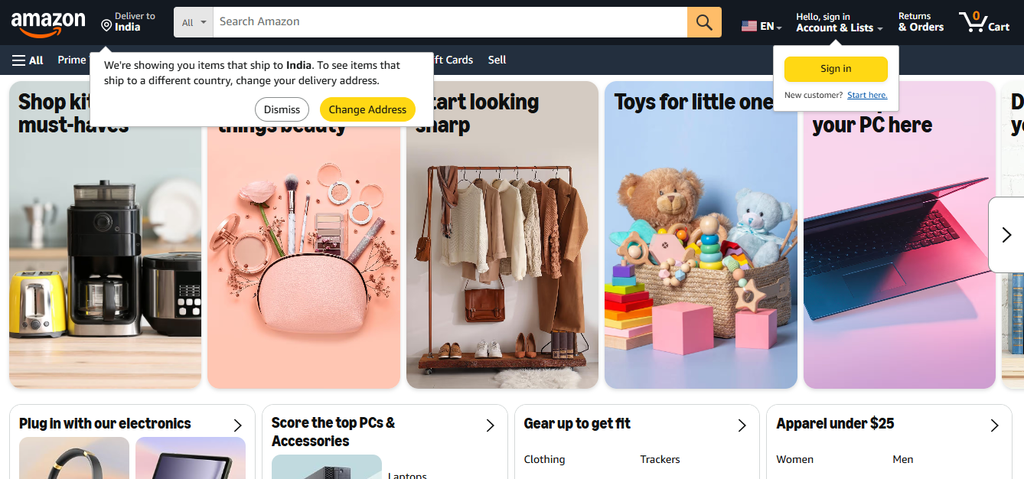
Amazon has transformed the way Americans shop. What began primarily as an online bookseller has evolved into one of the world’s largest e-commerce businesses, with a marketplace offering products across virtually every major consumer category.
Recorded approximately $293.85 billion in U.S. retail sales for Amazon in 2025, making it the second-largest retailer in its 2026 ranking. U.S. retail sales increased by 7.3% from the previous year. The NRF figure covers Amazon’s retail operations rather than its other businesses, such as cloud computing.
Amazon’s appeal comes partly from the sheer variety on display on its platform. Consumers can purchase groceries, electronics, clothing, beauty products, furniture, books and household supplies, with often fast delivery.
The company has also expanded its physical retail presence through businesses such as Whole Foods Market and Amazon Fresh. At the same time, its Prime membership program has become an important part of its retail ecosystem by combining shopping benefits with entertainment and other services.
Amazon’s influence on American retail extends beyond its own sales. Its marketplace has also created a major platform for independent sellers and brands.
3. Costco Wholesale
| Field | Details |
|---|---|
| Founded | 1983 (first Costco warehouse opened in Seattle; the business traces its history to Price Club, founded in 1976) |
| Headquarters | Issaquah, Washington, USA |
| Business | Membership warehouse retail / e-commerce |
| Main Products/Services | Groceries, fresh foods, appliances, electronics, furniture, apparel, health and beauty products, automotive products, tires, jewelry, office supplies, gasoline, optical and pharmacy services, e-commerce |
| Main Brands | Costco, Kirkland Signature, Costco Business Center |
| Main Focus | Membership-based warehouse retail with a curated selection of quality products at competitive prices, supported by bulk purchasing, efficient operations and e-commerce |
| Key Figure | Ron Vachris, President and CEO |
| Public Listing | Nasdaq: COST |
| Funding/Valuation | Publicly traded; market value varies with share price |
| Net Sales | ~$297.2 billion (fiscal 2026, 52 weeks ended August 30, 2026) |
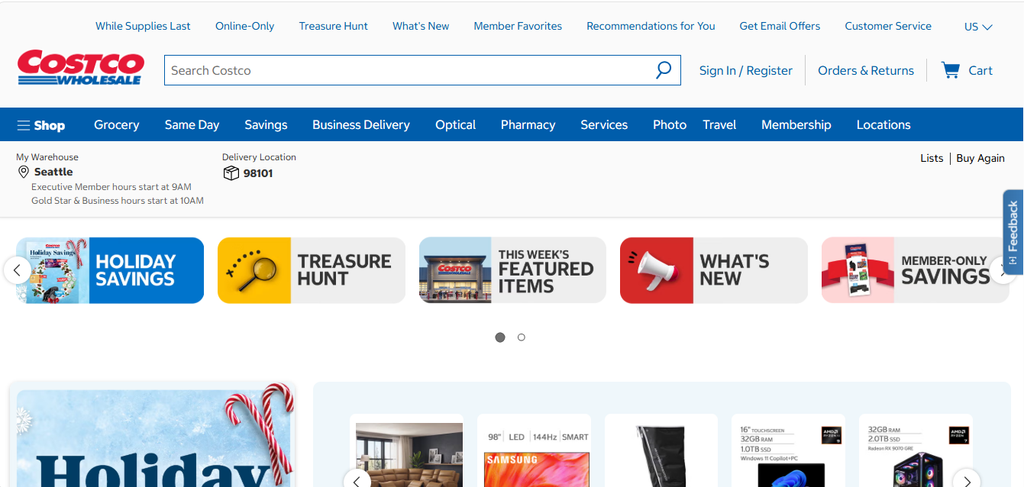
Costco has built its retail model around membership, bulk purchasing and warehouse-style stores. Rather than using a traditional supermarket or department-store format, Costco encourages customers to buy large quantities of products at competitive prices.
Recorded approximately $198.73 billion in U.S. retail sales in 2025, according to the NRF, putting it third in the 2026 ranking. U.S. retail sales grew by 8.7% compared with 2024.
Costco sells a broad mix of products, including groceries, electronics, appliances, furniture, clothing, health products and household goods. Its private-label Kirkland Signature brand is another important part of its business.
The membership model is a key component of Costco’s retail strategy. Customers pay an annual membership fee to access its warehouses and online shopping services, differentiating itself from conventional stores.
Costco’s warehouse format also allows the company to sell products in large quantities, making it particularly popular with families, businesses and shoppers looking to stock up.
4. The Kroger Co.
| Field | Details |
|---|---|
| Founded | 1883 |
| Headquarters | 1014 Vine Street, Cincinnati, Ohio 45202, USA |
| Business | Grocery retail / supermarkets and multi-department stores |
| Main Products/Services | Groceries, fresh foods, pharmacy services, fuel centers, household products, apparel, health and beauty products, digital grocery and delivery services |
| Main Brands | Kroger, Simple Truth, Private Selection, Smart Way, Murray’s Cheese, Bakery Fresh, Heritage Farm, Comforts, Office Works, Everyday Living |
| Main Focus | Food and grocery retail, customer value, digital shopping, private-label products and convenient omnichannel services |
| Key Figure | Greg Foran, Chief Executive Officer (effective February 2026) |
| Public Listing | NYSE: KR |
| Funding/Valuation | Publicly traded; market value varies with share price |
| Net Sales | ~$147.6 billion (2025) |
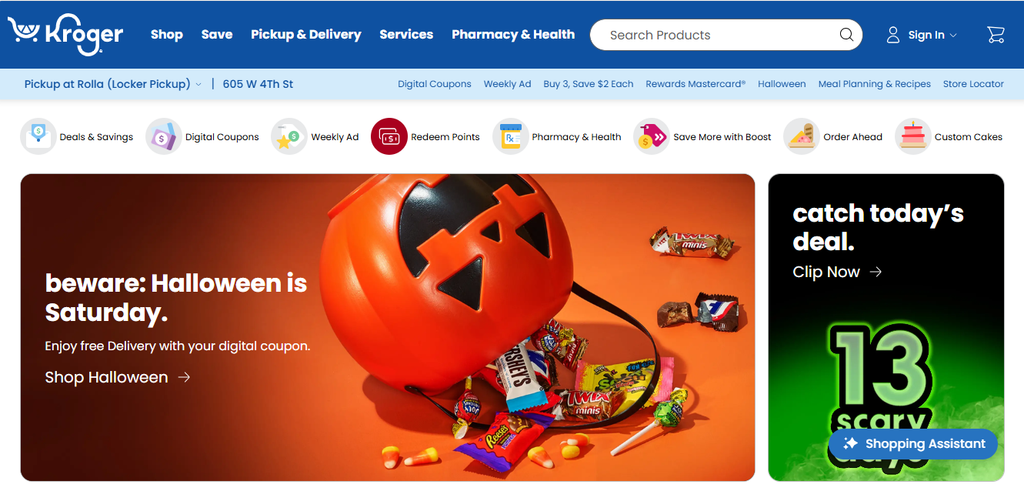
Kroger is one of the most recognizable supermarket companies in the United States. Its business is heavily focused on grocery retail, making it different from retailers such as Walmart and Amazon, which operate across a much wider range of categories.
Ranked Kroger fourth in 2026, with roughly $154.74 billion in U.S. retail sales during 2025. The company recorded 2.6% growth in U.S. retail sales compared with the previous year.
Kroger operates supermarkets under several banners and also has pharmacy, fuel and digital shopping operations. Its stores typically combine fresh food with packaged groceries, household products, personal care and other everyday necessities.
Private-label products are an important part of modern grocery retail and Kroger has developed several store brands to serve customers looking for different price points.
The company has also invested in digital ordering, delivery and pickup services. This reflects a broader change in grocery shopping, where consumers increasingly expect to be able to combine traditional store visits with online ordering.
Kroger’s importance in the U.S. retail industry comes largely from its role in something consumers do every week: buying food and household essentials.
5. The Home Depot
| Field | Details |
|---|---|
| Founded | 1978 |
| Headquarters | 2455 Paces Ferry Road, Atlanta, Georgia 30339, USA |
| Business | Home improvement specialty retail |
| Main Products/Services | Home improvement products, building materials, lawn and garden products, décor products, facilities MRO products, installation services, tool and equipment rental, in-store and online shopping |
| Main Brands | The Home Depot, HDX, Husky, Hampton Bay, Lifeproof, Home Decorators Collection |
| Main Focus | Home improvement retail, customer service, interconnected in-store and digital shopping, and serving professional customers |
| Key Figure | Ted Decker, Chair, President and CEO (on temporary leave as of August 2026; company announced expected return within the next few months) |
| Public Listing | NYSE: HD |
| Funding/Valuation | Publicly traded; market value varies with share price |
| Net Sales | ~$164.7 billion (fiscal 2025) |
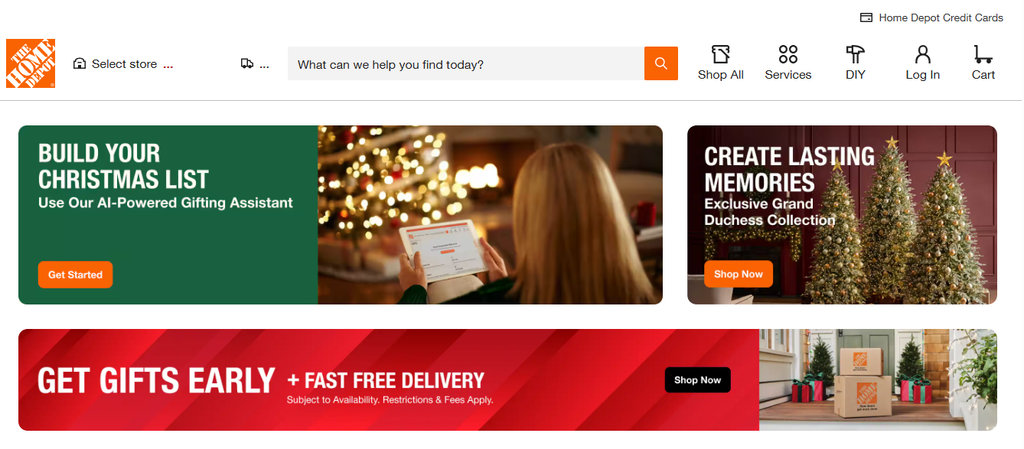
The Home Depot is America’s largest home-improvement retailer and a major destination for homeowners, contractors and do-it-yourself customers.
According to the NRF, The Home Depot generated approximately $141.12 billion in U.S. retail sales in 2025, placing it fifth among U.S. retailers. Its U.S. sales were slightly below those in 2024, with the NRF reporting a decline of about 0.5%.
Its stores carry products ranging from power tools and building materials to appliances, lighting, paint, garden supplies and home décor. The retailer serves both individual consumers working on home projects and professional customers involved in construction and renovation.
Home improvement is a specialized retail category and The Home Depot has developed its business around that specialization. Its large stores provide customers with a wide selection of products while its website allows shoppers to research products, compare options and arrange deliveries and store pickups.
The company also benefits from the ongoing need for home maintenance and renovation. Even when consumers are not undertaking major projects, everyday repairs and improvements continue to create demand.
6. CVS Health
| Field | Details |
|---|---|
| Founded | 1963 |
| Headquarters | Woonsocket, Rhode Island, USA |
| Business | Health care / pharmacy services / health insurance |
| Main Products/Services | Retail pharmacies and clinics, pharmacy benefit management through CVS Caremark, health insurance through Aetna, health care delivery and related services |
| Main Brands | CVS Pharmacy, CVS Caremark, Aetna, MinuteClinic |
| Main Focus | Integrated health care, pharmacy services, benefits management, insurance, accessible care and consumer health services |
| Key Figure | David Joyner, Chairman and CEO (current in 2026) |
| Public Listing | NYSE: CVS |
| Funding/Valuation | Publicly traded; market value varies with share price |
| Total Revenue | ~$402.1 billion (2025) |
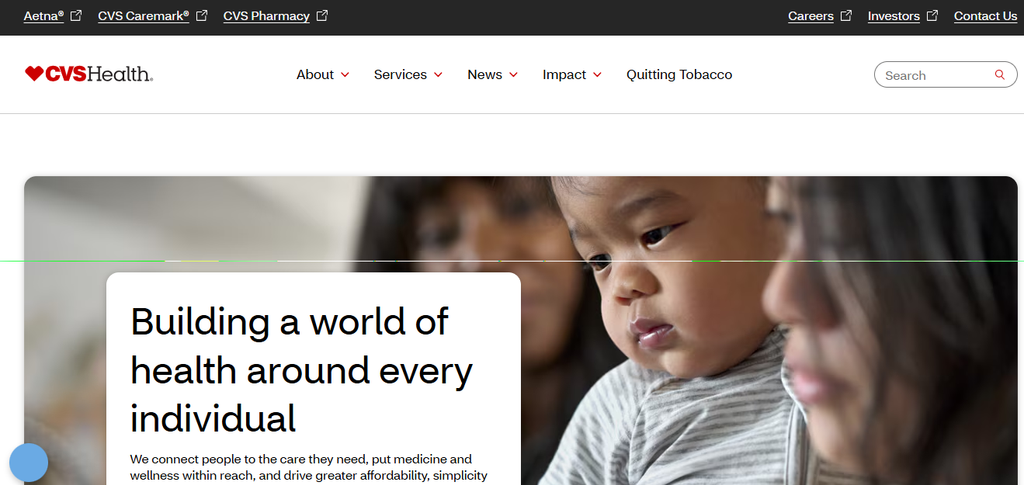
CVS Health occupies a distinctive position in American retail because its stores combine pharmacy services with a wide range of consumer products.
The NRF reported approximately $139.37 billion in U.S. retail sales for CVS in 2025, placing the company sixth in the 2026 ranking. Its U.S. retail sales increased by 11.9% from the previous year.
CVS stores typically sell prescription and over-the-counter medicines alongside personal-care products, beauty items, household essentials, snacks and other convenience products.
The company’s retail presence is closely linked to its pharmacy business, meaning customers may visit a CVS location not only to purchase ordinary consumer products but also to collect prescriptions, receive health-related services or speak with pharmacy professionals.
This combination has made drugstores an important part of the U.S. retail landscape. CVS has also expanded its digital services, allowing customers to manage prescriptions and shop online.
Its position illustrates how modern retail can overlap with other services rather than being limited to traditional product sales.
7. Walgreens Boots Alliance
| Field | Details |
|---|---|
| Founded | 1901 (Walgreens) |
| Headquarters | Deerfield, Illinois, USA (Chicago area) |
| Business | Retail pharmacy, health and wellness services |
| Main Products/Services | Prescription and pharmacy services, health and wellness products, personal care, beauty, convenience products, vaccinations and related healthcare services |
| Main Brands | Walgreens, Boots, No7 and other consumer brands |
| Main Focus | Pharmacy, retail, health services, customer experience and accessible community care |
| Key Figure | Mike Motz, CEO of Walgreens (appointed August 28, 2025) |
| Ownership | Acquired by Sycamore Partners in August 2025 |
| Public Listing | Private company; no current public stock listing |
| Funding/Valuation | Privately owned following acquisition by Sycamore Partners |
| Transaction Value | Up to approximately $23.7 billion (2025) |
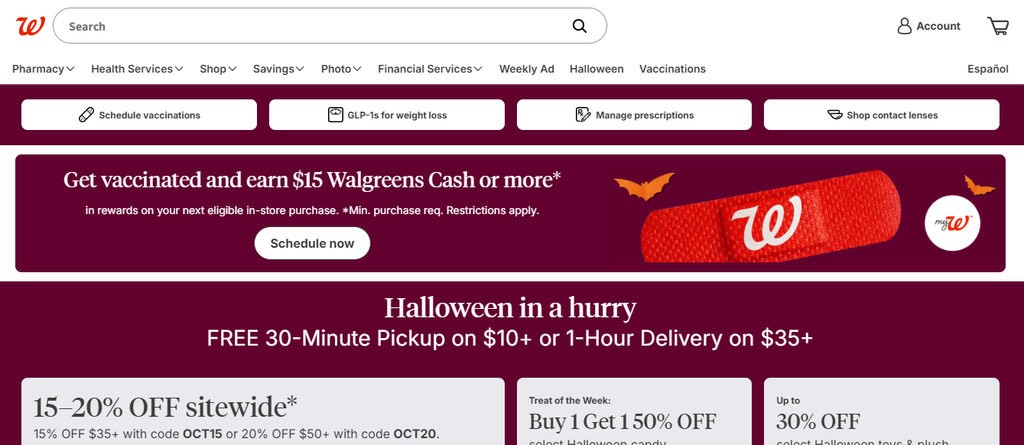
Walgreens Boots Alliance is another major name in U.S. pharmacy and retail. Walgreens stores serve communities across the U.S. and offer pharmacy services as well as health, beauty, personal-care and convenience products.
The NRF placed Walgreens seventh in its 2026 ranking, with approximately $112.05 billion in U.S. retail sales during 2025. U.S. retail sales grew by 1.2% compared with the previous year.
Walgreens has historically operated in the intersection of healthcare and retail. Its stores commonly include prescription services, over-the-counter medicines, personal-care products, beauty products, snacks and household essentials.
Like other major retailers, Walgreens has been adapting to changes in consumer shopping habits. Digital ordering, prescription management and other online services have become increasingly important alongside its physical stores.
The pharmacy format remains particularly relevant due to customers’ frequent value for convenience when purchasing both healthcare products and everyday essentials.
8. Target
| Field | Details |
|---|---|
| Founded | 1902 (originally as Dayton; became Target in 1962) |
| Headquarters | Minneapolis, Minnesota, USA |
| Business | General merchandise retail |
| Main Products/Services | Groceries, household essentials, clothing and apparel, home goods, electronics, furniture, beauty and personal care products, toys, sports and outdoor products, online shopping with pickup and delivery |
| Main Brands | Target, Good & Gather, Cat & Jack, All in Motion, Threshold, Opalhouse, up & up, Favorite Day, Deal Worth |
| Main Focus | A broad range of high-quality products at everyday value, with a strong emphasis on customer experience, private-label brands and omnichannel retail (in-store and digital) |
| Key Figure | Brian Cornell, Chairman and Chief Executive Officer |
| Public Listing | NYSE: TGT |
| Funding/Valuation | Publicly traded; market value varies with share price |
| Net Sales | ~$106.6 billion (2025) |
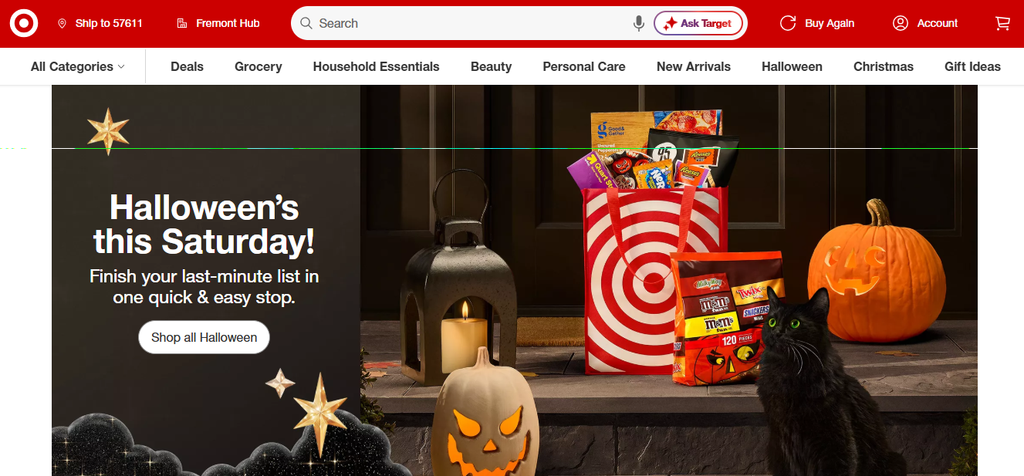
Target has developed a distinctive identity within American retail by combining everyday necessities with clothing, home goods, electronics, beauty products, groceries and seasonal merchandise.
Recorded approximately $102.72 billion in U.S. retail sales for Target in 2025, putting it eighth in the 2026 ranking. Its U.S. retail sales declined by about 2% compared with 2024.
Target’s stores are designed around a broad shopping experience. A customer might visit for groceries and leave with clothing, home décor or personal-care products as well.
The company also has a strong portfolio of private-label brands, covering areas such as clothing, home products and food. These brands allow Target to offer products at different price points while maintaining a distinctive identity.
Target has also invested in its digital shopping experience, including same-day pickup and delivery options. Its stores can therefore function not only as shopping destinations but also as fulfillment centers for online orders.
9. Lowe’s Companies
| Field | Details |
|---|---|
| Founded | 1946 |
| Headquarters | 1000 Lowes Boulevard, Mooresville, North Carolina 28117, USA |
| Business | Home improvement retail |
| Main Products/Services | Building materials, hardware, appliances, tools, paint, flooring, lighting, garden and outdoor products, home décor, installation services and online shopping |
| Main Brands | Lowe’s (primary brand), Style Selections, Project Source, allen + roth, Kobalt, Craftsman (exclusively at Lowe’s), Utilitech |
| Main Focus | Serving homeowners, do-it-yourself customers and professional contractors with a wide range of home improvement products and services |
| Key Figure | Marvin R. Ellison, Chairman, President and Chief Executive Officer |
| Public Listing | NYSE: LOW |
| Funding/Valuation | Publicly traded; market value varies with share price |
| Net Sales | ~$83.7 billion (fiscal 2025) |
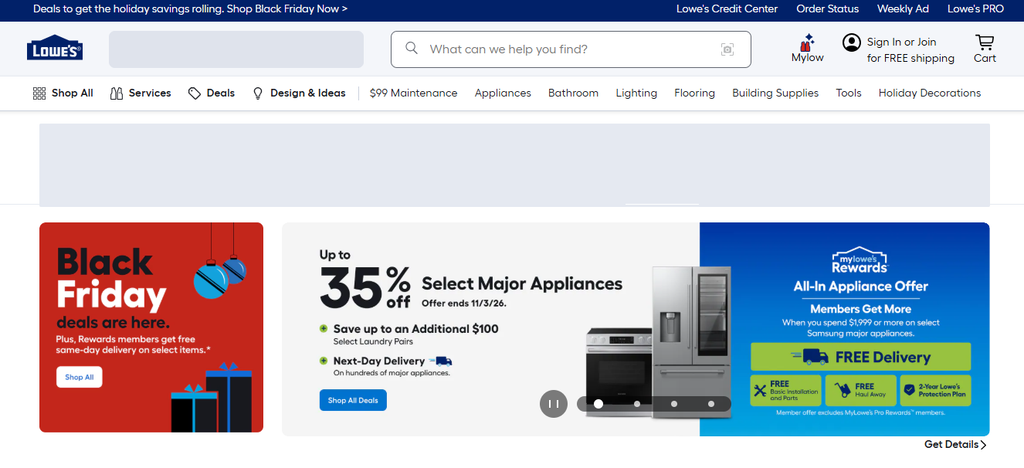
Lowe’s is another major U.S. home-improvement retailer and one of The Home Depot’s most recognizable competitors.
The NRF’s 2026 ranking places Lowe’s ninth, with approximately $84.0 billion in U.S. retail sales in 2025.
Lowe’s sells tools, hardware, appliances, building materials, paint, flooring, lighting, garden products and other home-improvement supplies. Its customer base includes both homeowners and professional contractors.
Like The Home Depot, Lowe’s has benefited from consumers’ interests in maintaining, repairing and improving their homes. Its online platform complements its physical stores by allowing customers to research products and arrange delivery or pickup.
The company has also focused on improving the shopping experience for both do-it-yourself customers and professional users. Its broad product selection means that shoppers can often find everything they need for a project in one place.
10. Albertsons Companies
| Field | Details |
|---|---|
| Founded | 1939 |
| Headquarters | 250 E. Parkcenter Blvd., Boise, Idaho 83706, USA |
| Business | Grocery retail, supermarkets and pharmacy services |
| Main Products/Services | Groceries, fresh foods, bakery, deli, pharmacy services, household products, health and beauty products, fuel and online grocery delivery/pickup |
| Main Brands/Banners | Albertsons, Safeway, Jewel-Osco, ACME, Vons, Pavilions, Randalls, Tom Thumb, Shaw’s, Star Market, Carrs, Kings, Balducci’s |
| Main Focus | Grocery retail, customer value, private-label products, pharmacy, loyalty and convenient digital shopping |
| Key Figure | Vivek Sankaran, President and CEO |
| Public Listing | NYSE: ACI |
| Funding/Valuation | Publicly traded; market value varies with share price |
| Net Sales | ~$80 billion (2025) |
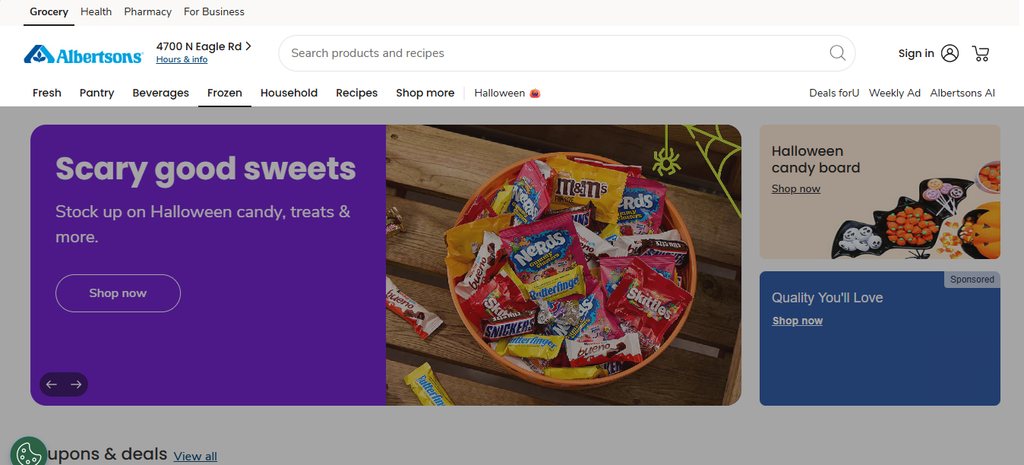
Albertsons Companies rounds out the top 10. The company is one of the largest grocery retailers in the U.S. and operates a number of supermarket banners across the country.
Recorded approximately $81.8 billion in U.S. retail sales for Albertsons in 2025, placing it tenth among the retailers in the latest ranking.
Albertsons’ retail operations focus heavily on groceries and household necessities. Its store portfolio includes well-known supermarket names such as Albertsons, Safeway, Vons, Jewel-Osco and Shaw’s.
Like other grocery retailers, the company has been investing in digital ordering and delivery as shoppers increasingly combine online and in-store grocery shopping.
Fresh food is a particularly important part of the supermarket business. Customers expect grocery retailers to provide produce, meat, dairy, bakery products and prepared foods alongside packaged groceries and household goods.
Albertsons therefore represents the importance of supermarkets within the broader U.S. retail industry.
Conclusion
America’s retail industry is much broader than traditional department stores. Today’s largest retailers operate across supermarkets, pharmacies, warehouse clubs, home improvement, discount stores and e-commerce.
The latest NRF data shows the scale of this market clearly. Walmart recorded about $576 billion in U.S. retail sales in 2025, while Amazon generated nearly $294 billion and Costco nearly $199 billion. Kroger, Home Depot and CVS each exceeded $139 billion in U.S. retail sales as well.
What ties these companies together is their ability to respond to changing shopping habits. Consumers increasingly expect convenience, competitive prices, a broad product selection and flexible ways to shop. While physical stores remain important, online ordering, delivery and pickup have become equally relevant parts of the retail experience.
The companies at the top of the U.S. retail market also represent very different approaches. Walmart focuses on mass retail, Amazon on e-commerce, Costco on membership and bulk shopping, Kroger and Albertsons on groceries, Home Depot and Lowe’s on home improvement, and CVS and Walgreens on pharmacy-led retail.
That diversity is one of the most interesting features of the American retail industry. While shopping habits continue to change, the basic need for accessible products and convenient purchasing options remains a constant part of everyday life.
Frequently Asked Questions
1. What is the largest retail company in the USA?
Based on the NRF’s 2026 Top 100 Retailers ranking, Walmart had the highest U.S. retail sales in 2025, at approximately $575.99 billion.
2. Which are the top retail companies in the USA?
The top 10 in the NRF’s 2026 ranking by 2025 U.S. retail sales are Walmart, Amazon, Costco Wholesale, The Kroger Co., The Home Depot, CVS Health, Walgreens Boots Alliance, Target, Lowe’s Companies and Albertsons Companies.
3. Is Amazon considered a retail company?
Yes. Amazon operates one of the world’s largest e-commerce marketplaces and is included among the major retailers in the NRF’s Top 100 Retailers ranking. The NRF’s retail-sales figure for Amazon excludes non-retail businesses such as AWS.
4. What does Walmart sell?
Walmart sells a wide range of products, including groceries, clothing, electronics, household goods, personal-care products, toys, home products and many other everyday items.
5. Is Costco a supermarket?
Costco is a membership-based warehouse retailer rather than a traditional supermarket. It sells groceries as well as electronics, appliances, clothing, furniture, household products and other merchandise.
6. What type of retailer is Kroger?
Kroger is primarily a supermarket and grocery retailer. Its business also includes pharmacies, fuel stations and digital grocery services.
7. What does The Home Depot specialize in?
The Home Depot specializes in home improvement and sells products such as tools, hardware, building materials, appliances, paint, garden supplies and home décor.
8. Why are CVS and Walgreens considered retailers?
CVS and Walgreens operate retail stores that sell medicines, health products, personal-care items, beauty products, household essentials and convenience products in addition to their pharmacy services.
9. What is the difference between Walmart and Target?
Both are large general-merchandise retailers selling groceries, household products, clothing, electronics and other consumer goods. Their store formats, product assortments, private-label portfolios and overall retail strategies differ.
10. How are U.S. retail companies adapting to online shopping?
Major retailers are combining physical stores with e-commerce, mobile ordering, pickup services and home delivery. Many are also using stores as fulfillment locations for online orders, creating a more integrated shopping experience.