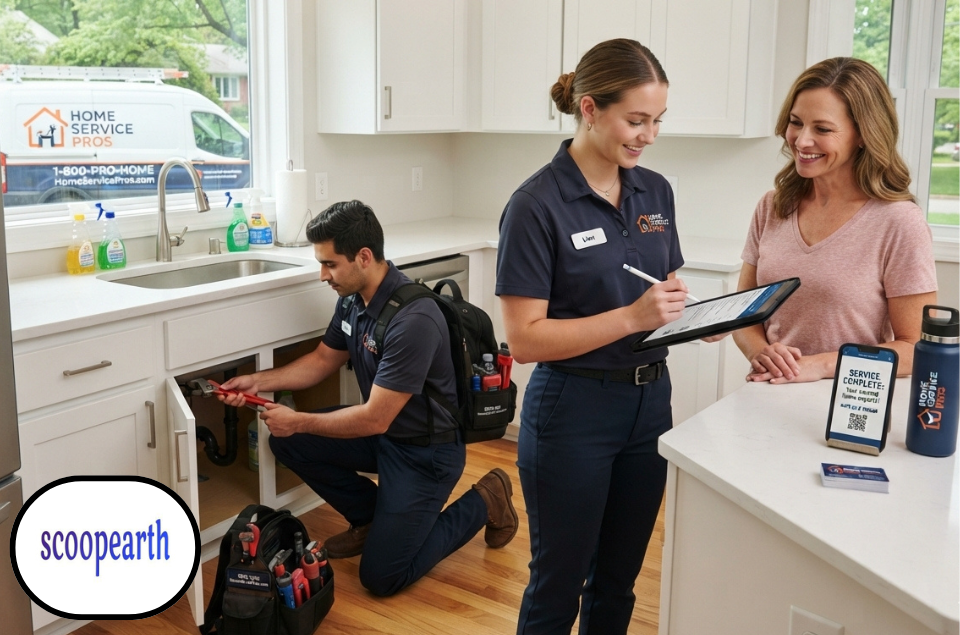
There is a significant shift in urban consumption behavior taking place during the festive period in India. Not only are Indians turning to fast commerce solutions for their emergency grocery delivery needs, but they are now looking for instant professional help for any other requirements at home. From preparing their house for their festive guests to making appointments with salons for last-minute visits and getting urgent home deep-cleaning services, urban consumers have started including instant home services into their routine.
Market projections and rising customer acquisition costs
The report, Think Quick Commerce: Unlocking the 90B opportunity, by Redseer and Google, estimates that the entire quick commerce market in India will grow by an unprecedented rate between ₹6160 billion and ₹7920 billion by FY31, from just ₹1,144 billion in FY26.
The home services segment has since more than doubled to ₹52.8 billion in FY26 from just ₹26.4 billion in FY22 within this ecosystem, covering on-demand home repair, cleaning and at-home beauty. The rapid-growth services category in the home segment is projected at an annualised run-rate of ₹8.8 billion-₹13.2 billion by December 2026, growing at a 21% CAGR.
The trend is largely urban-focused. Quick commerce usage among metro consumers is more diversified than among non-metro consumers, with 79% of quick commerce category mix spent on groceries.
The average value of non-grocery expenditure in metros will rise from ₹264 billion to ₹1,848 billion to ₹2,376 billion, and the compound annual growth will be 44% to 51% till FY31. This reflects the transformation of urban households into integrating lifestyle and on-demand professional services into their routines as a constant habit.
Merchants must be prepared to invest heavily to get a foothold in the fast home services industry. Its marketing expenses rose as it pitched its campaign against other players, including Urban Company’s InstaHelp and Pronto. In FY26, the startup’s total advertising and marketing spend was recorded at a sum of ₹49 crore.
Overall costs came in at ₹195 crore, increasing Snabbit’s net loss to ₹168 crore in FY26 from ₹5.7 crore in FY25. Operating revenue reached ₹12.25 crore supported by platform services of ₹10.82 crore, but the company incurred an expenditure of ₹15.92 crore for each rupee of operating revenue.
Labor formalization and brand integrations
Service platforms are branding and increasing their marketing spend to gain further market share in urban consumption spending. Advertising and promotional spending by the at-home salon platform Yes Madam went up by nearly four times in FY25, with around ₹27 crore being channeled into marketing.
The brand moved toward experiential and hyperlocal marketing from regular media purchases and previous celebrity-led campaigns with Shraddha Kapoor and digital creators. The platform’s print and out-of-home campaign was rolled out at 20 Metro station locations for Raksha Bandhan, going on to install a giant Sindoor ki dabbi at Singhi Park pandal in Kolkata during Durga Puja celebrations.
These marketing activities brought Yes Madam tangible commercial benefits. It generated annual revenue of ₹92.5 crore in FY25, on the back of which the company made more than 3.5 lakh home visits each month, compared with ₹45.8 crore in FY24, and an annual revenue run rate of ₹402 crore.
Snabbit, a quick messaging platform for home services that already crossed over 1.5 million monthly service connections, pulled off a big brand mariazione by signing an agreement with JioHotstar for Bigg Boss Hindi Season 20. Before the premiere, the startup used its fast operating model to clean and prepare five main areas of the house in the show in only four days.
While facing short-term pressures, investors continue to be interested in the sector’s longer-term promise to structure India’s domestic informal labor sector. Instant household services platform Pronto has raised a $20 million investment during the still ongoing Series B round that brought its valuation to $200 million under investor Lachy Groom.
To support the increase in daily bookings on the platform from 18,000 to 26,000, Pronto grew its pool of background-checked professionals from 1,440 to 6,500, and maintained an average utilization ratio in excess of 65%. The platform is also moving into related areas such as car washing and gardening, while also testing out home cooking services in Bengaluru.
Conclusion
Technology for effortless home services is advancing quickly, signifying a general paradigm shift in the way home chores and lifestyle requirements are satisfied in urban Indian households. With platforms spending huge amounts of money on hyperbole marketing and cultural campaigns to give entry to the customer, the sector is projected to be on an annualised run rate of ₹13.2 billion by December 2026. Despite the high-costly acquisition of customers in the immediate term, the continuous investment inflows and diversification of services reflect strong confidence in the formalization of the Indian on-demand home service market.