
Leather is used in more products than just handbags and shoes. In the United States the leather industry includes parts of the supply chain. These include tanning, footwear, furniture, leathercraft supplies, fashion accessories and work boots. Some companies make leather from scratch. Others take leather. Turn it into finished goods for people to buy.
This means that a list of the Top 10 Leather Companies in the USA is not the same as a ranking by revenue. A big fashion group might sell billions of dollars in products. It does not report how much comes from leather specifically. In the end a small tannery may focus entirely on leather even if its sales numbers are not public.
For this list the ranking considers U.S. Market presence, role in the leather value chain, manufacturing or tanning activity, product variety, history and relevance to consumers and leather makers. It includes both publicly traded companies and smaller private businesses.
The list shifts from fashion and footwear brands, to furniture makers and some of America’s leather tanneries.
1. Tapestry Inc.

Tapestry is one of the U.S.-based names connected with leather fashion through brands such as Coach and Kate Spade New York.
| Category | Information |
|---|---|
| Founded | 2017 as Tapestry; Coach was founded in 1941 |
| Headquarters | New York, New York |
| Latest Revenue | $8.004 billion, FY2026 |
| Latest Net Income | $1.528 billion, FY2026 |
| Main Products/Services | Handbags, leather goods, footwear, accessories and lifestyle products |
Tapestry is an example of how the modern leather business can be part of a much larger fashion company. Its portfolio includes Coach and Kate Spade New York with Coach having a history in American leather accessories. It reported $8.004 billion in sales for FY2026 and $1.528 billion in net income. The company also said Coach brand revenue grew strongly during the year.
Coach remains particularly important to the company’s leather identity. Its range includes handbags, wallets, shoes and other accessories. Tapestry therefore represents the consumer-facing luxury and fashion side of the leather market rather than leather tanning itself.
2. Wolverine Worldwide
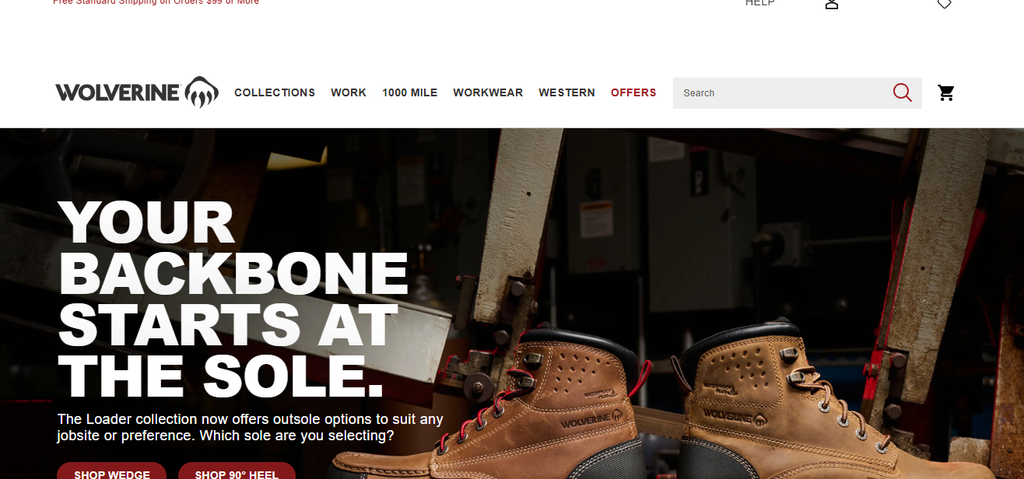
Wolverine Worldwide brings leather into the picture through footwear, work boots and outdoor products. Its history also has a connection with tanning.
| Category | Information |
|---|---|
| Founded | 1883 |
| Headquarters | Rockford, Michigan |
| Latest Revenue | $1.874 billion, FY2025 |
| Latest Net Income | $95.8 million, FY2025 |
| Main Products/Services | Work boots, outdoor footwear, casual footwear, apparel and accessories |
The company began in Michigan in 1883. Later expanded into a large footwear group. Its portfolio includes Wolverine, Merrell, Saucony, Hush Puppies, Bates, Chaco and other brands. Products are sold in 170 countries and territories.
Leather has been part of the company’s history for more than a century. Wolverine Tanning Company was established in 1908 to supply leather for its footwear operations. Today the company is much broader than leather alone. Its work-boot heritage keeps it closely connected to the material.
For FY2025 Wolverine Worldwide reported revenue of $1.874 billion and net earnings attributable to the company of $95.8 million.
3. Caleres
Caleres is another American footwear company and its portfolio includes Allen Edmonds, a brand with a long association with premium leather shoes.
| Category | Information |
|---|---|
| Founded | 1878 |
| Headquarters | St. Louis, Missouri |
| Latest Revenue | $2.8 billion, FY2025 |
| Latest Net Income | Net loss of $6.7 million, FY2025 |
| Main Products/Services | Footwear, leather dress shoes, casual shoes and footwear retail |
The company’s roots go back to Brown Shoe Company, established in 1878. Today Caleres operates a collection of footwear businesses including Famous Footwear and Allen Edmonds.
Allen Edmonds is particularly relevant here. Founded in 1922 the brand has built its reputation around premium men’s footwear. Continues to make many of its shoes in the USA. Caleres has described Allen Edmonds as a manufacturer of premium men’s footwear and accessories using premium leathers.
Caleres reported $2.8 billion in 2025 net sales. Its reported GAAP result was a loss of $6.7 million partly affected by costs connected with the Stuart Weitzman business.
4. Boot Barn
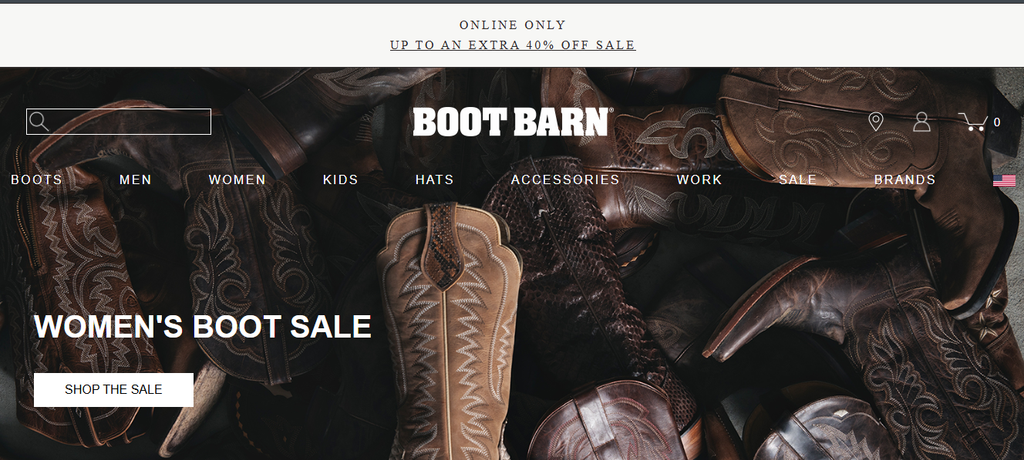
Boot Barn takes the leather story in a western and workwear direction. The company sells boots, clothing and accessories aimed at work-related customers.
| Category | Information |
|---|---|
| Founded | 1978 |
| Headquarters | Irvine, California |
| Latest Revenue | $2.254 billion, FY2026 |
| Latest Net Income | $225.9 million, FY2026 |
| Main Products/Services | Western boots, work boots, leather footwear, apparel and accessories |
Boot Barn started in 1978. Has grown into a large U.S. Retailer. Its investor information says it operates 575 stores across 49 states.
Leather boots remain a part of the western and workwear categories sold through its stores and online business. Its assortment also includes belts, bags and other leather accessories.
For 2026 Boot Barn reported net sales of $2.254 billion compared with $1.911 billion in fiscal 2025. Net income rose to $225.9 million. The company ended the year with 539 stores. Continued expanding its physical network.
5. Red Wing Shoe Company
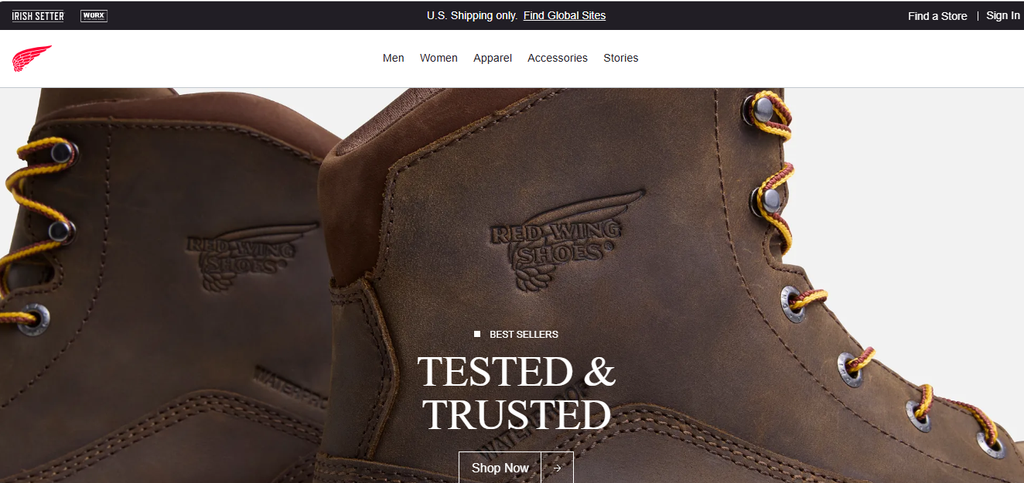
Red Wing is one of the examples of a U.S. Business where leather is closely connected to the finished product. The company makes work and lifestyle boots. Also owns its own tannery.
| Category | Information |
|---|---|
| Founded | 1905 |
| Headquarters | Red Wing, Minnesota |
| Latest Revenue | Not publicly disclosed |
| Latest Net Income | Not publicly disclosed |
| Main Products/Services | Work boots, safety footwear, Heritage boots and leather footwear |
Red Wing Shoe Company was organised in Minnesota in 1905. Its Heritage footwear and work boots have remained closely linked to manufacturing. The company has factories in the U.S. including facilities in Red Wing, Minnesota and Potosi, Missouri.
One feature separates it from footwear businesses: its relationship with S.B. Foot Tanning Company. Red Wing acquired the tannery in the 1980s. The tannery has operated in the company since 1872. Red Wing says its Heritage leather comes from its tannery giving the company control over an important part of the production process.
Red Wing is privately held, so current revenue and net income are not publicly disclosed.
6. Tandy Leather Factory

For people who actually work with leather Tandy Leather stands in a part of the industry. Then mainly selling finished luxury goods it supplies leathercraft materials and tools.
| Category | Information |
|---|---|
| Founded | 1919 |
| Headquarters | Benbrook, Texas |
| Latest Revenue | $76.3 million, FY2025 |
| Latest Net Income | $9.1 million, FY2025 |
| Main Products/Services | Leather, tools, hardware, kits, dyes and leathercraft supplies |
Tandy Leather has been connected with leathercraft since 1919. Tandy Leather serves hobbyists, craftspeople and professional leatherworkers by providing materials and equipment.
Its product range includes types of leather leatherworking tools, hardware, dyes, patterns and craft kits. That gives Tandy a role further down the leather supply chain, where people turn hides and leather pieces into wallets, belts, bags and other products.
Tandy reported 76.3 million dollars in revenue for 2025. Tandy’s net income was 9.1 million dollars compared with 0.8 million dollars in 2024.
7. La-Z-Boy
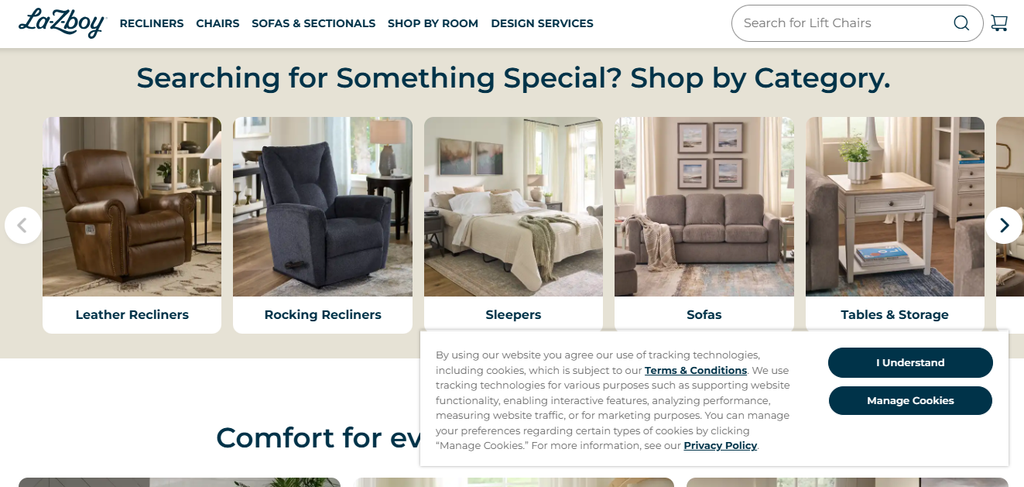
Leather is not the material used by La‑Z‑Boy but upholstery makes it an important part of the U.S. Leather furniture market.
| Category | Information |
|---|---|
| Founded | 1927 |
| Headquarters | Monroe, Michigan |
| Latest Revenue | $2.127 billion, FY2026 |
| Latest Net Income | $102.0 million attributable to La-Z-Boy, FY2026 |
| Main Products/Services | Recliners, sofas, upholstered furniture and home furnishings |
La‑Z‑Boy’s history began in 1927, when cousins Edwin J. Shoemaker and Edward M. Knabusch developed the reclining chair that became the foundation of the brand.
Today it manufactures. Sells residential furniture.its products include seating, recliners and sofas with leather being one of the materials available in its furniture range.
La‑Z‑Boy reported two points: one two seven billion dollars in sales for fiscal 2026 and one hundred two million dollars in net income attributable to the company. Its world headquarters and several manufacturing operations are based in the United States.
8. Horween Leather Company
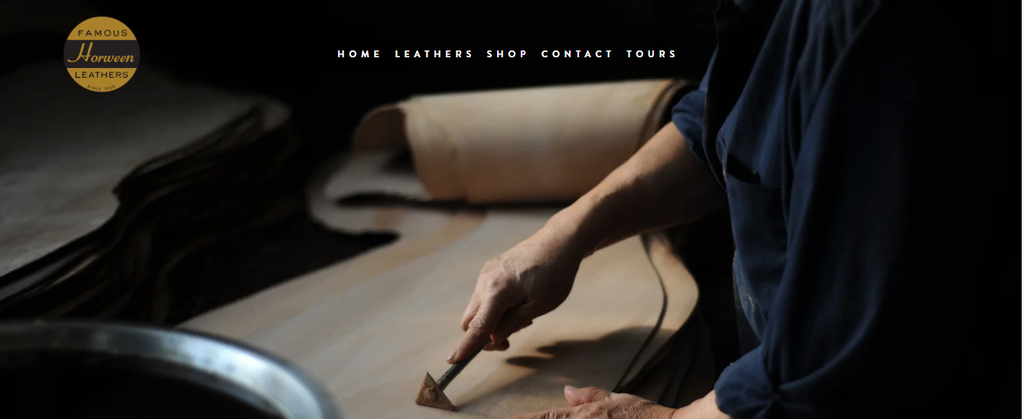
Horween represents the side of the American leather industry. It does not need a large fashion portfolio to be relevant because its core business is producing leather.
| Category | Information |
|---|---|
| Founded | 1905 |
| Headquarters | Chicago, Illinois |
| Latest Revenue | Not publicly disclosed |
| Latest Net Income | Not publicly disclosed |
| Main Products/Services | Leather for footwear, sporting goods, bags, accessories and other products |
Horween Leather Company was founded in Chicago in 1905. Remains based in the city. The family‑owned tannery produces leather using methods alongside modern techniques.
Its best‑known leathers include Chromexcel and Shell Cordovan along with leather used for sporting goods. Horween also produces football leather showing how a tannery can serve different industries.
It does not publish the kind of reports available from listed companies so current revenue and net income are not publicly disclosed. Horween’s importance instead comes from its history and specialist position in U.S. leather production.
9. Hermann Oak Leather

Hermann Oak has been making leather in St. Louis for more than a century. It is especially associated with vegetable‑tanned leather and traditional leathercraft.
| Category | Information |
|---|---|
| Founded | 1881 |
| Headquarters | St. Louis, Missouri |
| Latest Revenue | Not publicly disclosed |
| Latest Net Income | Not publicly disclosed |
| Main Products/Services | Vegetable-tanned leather, harness leather, skirting leather and leather for crafts |
The company traces its history to 1881, when Louis Charles Hermann began tanning leather to serve the harness trade. The company has remained a family‑owned business through generations.
It supplies leather used by saddle makers, belt makers, holster makers and other craftspeople. Hermann Oak’s range includes harness, latigo, skirting and water‑resistant leathers.
The company is much smaller than listed fashion and footwear groups but Hermann Oak’s specialisation makes it relevant to anyone looking at the American leather industry from the production side.
10. Wickett & Craig
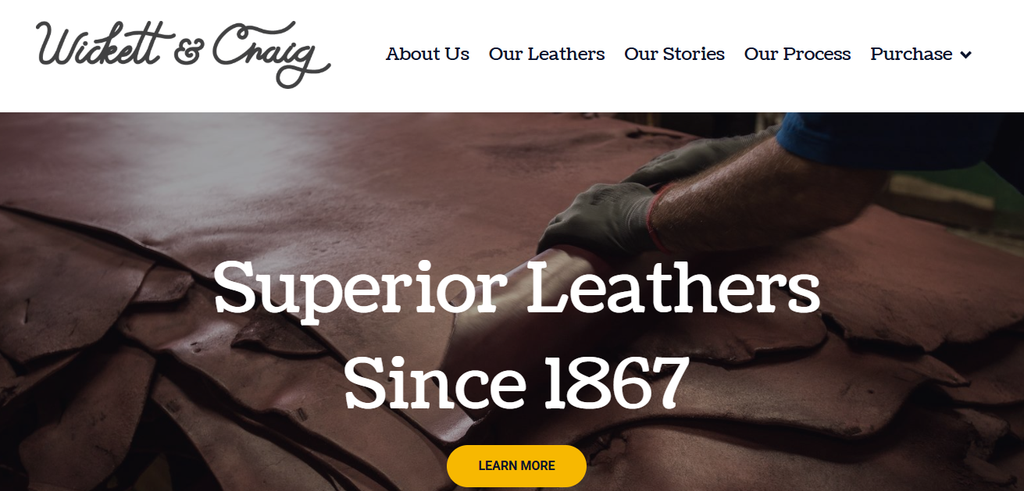
Wickett & Craig brings another American tanning tradition to the list. It specialises in vegetable tanning, a process that is particularly valued for leather used in premium goods and traditional crafts.
| Category | Information |
|---|---|
| Founded | 1867 |
| Headquarters | Curwensville, Pennsylvania |
| Latest Revenue | Not publicly disclosed |
| Latest Net Income | Not publicly disclosed |
| Main Products/Services | Vegetable-tanned leather, shoe leather, belt leather and equestrian leather |
Wickett & Craig was founded in 1867. Originally operated in Canada before moving to Curwensville, Pennsylvania. The company says its U.S. Facility produces four point five million square feet of light‑ and heavy‑weight leather annually.
Its lighter leathers are used for products such as shoes, bags and belts while heavier grades are used for saddles, bridles and straps. It sells directly from its Pennsylvania tannery. Describes its products as made in the USA.
Like specialist tanneries Wickett & Craig is privately held and does not publicly report current revenue or net income.
Top 10 Leather Companies in USA: Comparison
| Rank | Company/Brand | Founded | Latest Revenue | Main Products/Services |
| 1 | Tapestry, Inc. | 2017 | $8.004B (FY2026) | Handbags, leather goods, footwear and accessories |
| 2 | Wolverine Worldwide | 1883 | $1.874B (FY2025) | Work boots, footwear, apparel and accessories |
| 3 | Caleres | 1878 | $2.8B (FY2025) | Footwear, leather dress shoes and footwear retail |
| 4 | Boot Barn | 1978 | $2.254B (FY2026) | Western boots, work boots, apparel and accessories |
| 5 | Red Wing Shoe Company | 1905 | Not publicly disclosed | Work boots, safety footwear and Heritage boots |
| 6 | Tandy Leather Factory | 1919 | $76.3M (FY2025) | Leather, tools, hardware and leathercraft supplies |
| 7 | La-Z-Boy | 1927 | $2.127B (FY2026) | Recliners, sofas and upholstered furniture |
| 8 | Horween Leather Company | 1905 | Not publicly disclosed | Specialty leather and tannery products |
| 9 | Hermann Oak Leather | 1881 | Not publicly disclosed | Vegetable-tanned and harness leather |
| 10 | Wickett & Craig | 1867 | Not publicly disclosed | Vegetable-tanned leather and equestrian leather |

What Should You Look for in a Leather Company?
The right leather company depends on what you mean by leather. A handbag buyer may be more interested in a fashion brand while a boot buyer may care about construction, leather type and repair options. Leatherworkers on the hand may be looking for a tannery that sells specific grades, weights or tanning styles.
It is also useful to check whether a leather company actually makes leather or mainly turns purchased leather into products. Red Wing for example has its tannery while specialist leather businesses such as Horween, Hermann Oak and Wickett & Craig focus directly on tanning. For furniture factors such as upholstery construction, leather finish, maintenance and warranty can matter more than the size of the leather company.
Conclusion
The American leather industry is much broader than luxury handbags and expensive shoes. It includes tanneries, boot makers, footwear groups, furniture manufacturers and suppliers serving leathercraft businesses. Large public leather companies provide scale and wide consumer reach while smaller tanneries preserve production methods that have been used for generations. Looking at the industry through this lens gives a better picture of how leather moves from a hide to the finished products people use every day.
FAQs
1. What are the top leather companies in the USA?
The list includes businesses from different parts of the leather industry, including Tapestry, Wolverine Worldwide, Caleres, Boot Barn, Red Wing, Tandy Leather, La-Z-Boy, Horween, Hermann Oak, and Wickett & Craig. The ranking considers industry role, U.S. presence, leather-related activity, heritage, and product reach rather than revenue alone.
2. Which US companies make leather products?
Several U.S. companies make leather products. Coach, through Tapestry, makes leather handbags and accessories, while Red Wing makes leather footwear. Allen Edmonds, part of Caleres, makes premium men’s footwear, and companies such as La-Z-Boy offer leather-upholstered furniture.
3. Which companies make leather in the USA?
Specialist American tanneries include Horween Leather Company in Chicago, Hermann Oak Leather in St. Louis, and Wickett & Craig in Curwensville, Pennsylvania. Red Wing also operates S.B. Foot Tanning Company, its tannery in Minnesota, which supplies leather for Red Wing footwear.
4. What is Horween Leather Company known for?
Horween Leather Company is a Chicago tannery founded in 1905. It is known for specialty leathers such as Chromexcel and Shell Cordovan and supplies leather for footwear, bags, sporting goods, and other products. Horween continues to manufacture leather at its Chicago operation.
5. Is Red Wing a leather company?
Red Wing is primarily a footwear company, with leather playing a central role in its business. Red Wing owns S.B. Foot Tanning Company, which has operated in Minnesota since 1872. Red Wing states that its Heritage footwear uses leather produced by its tannery.
6. What does Tandy Leather sell?
Tandy Leather supplies materials and equipment for leathercraft. Its products include leather, tools, hardware, dyes, kits, and other craft supplies. Tandy Leather has been connected with leatherworking since 1919 and serves both hobbyists and people who make leather products professionally.
7. Which leather companies have a history in the USA?
Several companies on this list have histories going back more than a century. Wickett & Craig dates to 1867, Hermann Oak to 1881, Wolverine Worldwide to 1883, Horween and Red Wing to 1905, and Tandy Leather to 1919.
8. Does La-Z-Boy make leather furniture?
La-Z-Boy manufactures and sells upholstered residential furniture, including recliners and sofas that can be offered in different upholstery materials. Leather is part of La-Z-Boy’s furniture offering, although the company is not exclusively a leather manufacturer.
9. Why is leather revenue difficult to compare between companies?
Many leather companies do not report leather revenue as a separate financial category. A fashion group may report sales for handbags, footwear, and other products together, while a tannery may be privately held and publish no financial results. Therefore, company revenue should not automatically be treated as leather-specific revenue.
10. Are all leather companies also leather tanneries?
No. Tanneries process hides into leather, while many other businesses use leather to make products such as shoes, bags, furniture, and accessories. Some companies, such as Red Wing through S.B. Foot, have a vertically integrated model that connects tanning with finished footwear.