
Introduction
Cherukuri Ramoji Rao was one of the most influential media entrepreneurs in India. He built businesses in newspapers, television, films, food, hospitality, financial services and tourism. His best-known creations include Eenadu, the ETV network, Usha Kiran Movies, Margadarsi Chit Fund and Ramoji Film City.
What makes Ramoji Rao’s story interesting is that he did not begin with a large business empire. He came from a farming family in Andhra Pradesh and started his professional life in advertising. Over several decades, he built a business group that became closely connected with the social, cultural and political life of Andhra Pradesh and Telangana.
Ramoji Rao died on June 8, 2024, at the age of 87. He left behind a business legacy that continues through his family and the companies he created. His contributions to journalism and education were recognised with the Padma Vibhushan in 2016, India’s second-highest civilian award.
Who Was Ramoji Rao?
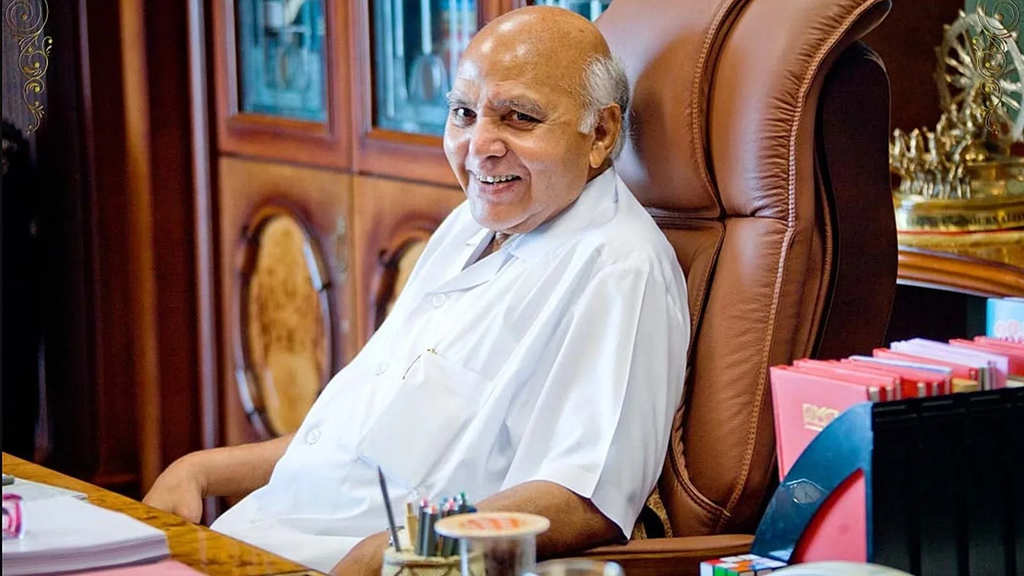
Image Source: Pixabay
Ramoji Rao was an Indian businessman, media proprietor, journalist, publisher and film producer. He was the founder and chairman of the Ramoji Group.
He was born as Cherukuri Ramoji Rao on November 16, 1936, in Pedaparupudi in the Krishna district of present-day Andhra Pradesh. He came from an agricultural family and grew up in a relatively modest environment.
After completing his education, he moved towards advertising and worked as an artist for an advertising agency in Delhi. His early experience in communication and advertising later became useful when he entered publishing and media.
Rao was not satisfied with building only one successful business. He repeatedly entered new industries and tried to create businesses around areas that he believed could serve a large number of people.
His business interests eventually included Eenadu newspaper, ETV television network, Margadarsi Chit Fund, Ramoji Film City, Usha Kiran Movies, Priya Foods, Dolphin Hotels, Kalanjali, Mayuri Film DistributorsOther media and entertainment ventures
This combination of business and media made him one of the most recognisable business personalities from the Telugu-speaking states.
Ramoji Rao’s Early Life and Education
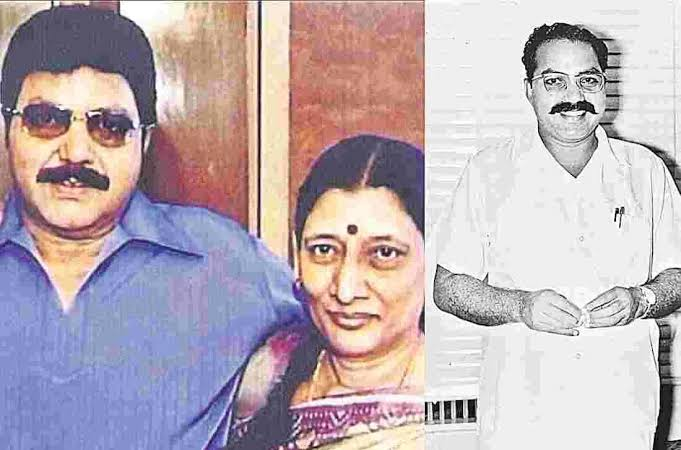
Image Source: Pixabay
Ramoji Rao was born into a Telugu family in coastal Andhra Pradesh. His childhood was far removed from the world of large media houses and film studios that he would later create.
He studied at Gudivada Municipal High School and later attended Gudivada College, where he completed a B.Sc. degree.
After his education, he moved to Delhi and worked in an advertising agency as an artist. This was an important early stage of his career because it introduced him to commercial communication, design and the advertising industry.
Instead of remaining in a conventional job, Rao eventually decided to become an entrepreneur. His first major business success came before Eenadu. In 1962, he established Margadarsi Chit Fund. The business started on a small scale, but it later became a major chit-fund company serving customers in several states.
According to Margadarsi’s current company information, the business now has more than 2 lakh active customers, 135 branches, more than 4,200 employees and over 7,250 agents. The company also says it has served around 60 lakh subscribers over six decades.
The Birth of Eenadu
The biggest turning point in Ramoji Rao’s career came with the launch of Eenadu. Rao launched Eenadu in Visakhapatnam on August 10, 1974. At the time, Telugu newspaper publishing was already established, but Rao believed there was room for a newspaper that connected more closely with ordinary Telugu-speaking readers.
Eenadu focused strongly on local news, simple language and stories that directly affected people’s daily lives. The newspaper initially started in Visakhapatnam. It gradually expanded into other parts of Andhra Pradesh and later Telangana and other cities.
Ramoji Rao and Politics
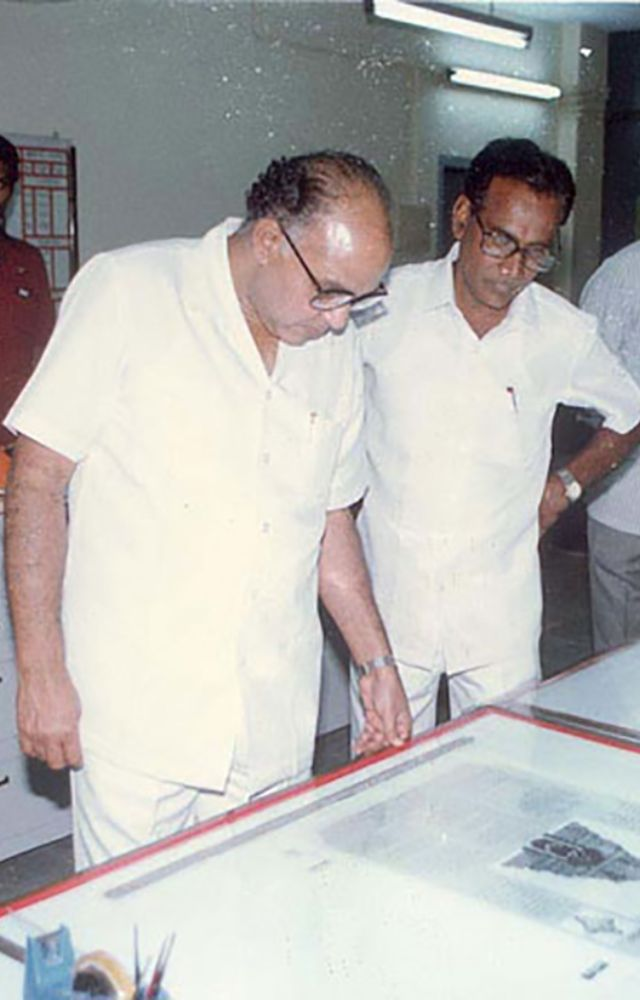
Image Source: Pixabay
Ramoji Rao’s influence extended beyond business and journalism. Eenadu became known for taking strong editorial positions on political and social issues. During the political changes in Andhra Pradesh during the 1980s, the newspaper played an important role in shaping public opinion.
Rao developed a close association with N. T. Rama Rao (NTR), the Telugu film superstar who later founded the Telugu Desam Party (TDP).
Rao and Eenadu supported several causes associated with Telugu identity and regional politics. His influence became so significant that critics and political observers sometimes described him as a “kingmaker.”
At the same time, this political influence also made Ramoji Rao a controversial figure. Supporters viewed him as an entrepreneur who used media to raise public issues. Critics accused his media organisation of having political preferences.
Eenadu’s relationship with different political governments, particularly in Andhra Pradesh, became a recurring subject of public debate.
It is important to separate this political debate from his business achievements. Regardless of one’s political opinion about Rao, his impact on Telugu journalism and media entrepreneurship was significant.
Entry Into Television: ETV
After establishing Eenadu, Ramoji Rao expanded into television. The ETV network became another major part of the Ramoji Group.
ETV started with Telugu programming and eventually expanded into multiple Indian languages. The network became known for entertainment, news and regional programming.
The growth of satellite television in India during the 1990s created a major opportunity for regional-language channels. Ramoji Rao recognised this opportunity and built ETV into a large television network.
Today, the group’s television business operates through companies connected to the wider Ramoji Group.
For example, Eenadu Television Private Limited reported revenue of approximately ₹752.88 crore for FY2024, according to company financial data based on filings. That represented an increase of about 18% over the previous year.
Ramoji Film City: His Biggest Dream
Perhaps the most famous project associated with Ramoji Rao is Ramoji Film City in Hyderabad.
Rao wanted to create a filmmaking facility where producers could find locations, sets, production infrastructure and other services in one large complex.
Guinness World Records recognises Ramoji Film City as the world’s largest film studio complex. Its Guinness record describes the complex as measuring 674 hectares, or about 1,666 acres, with 47 sound stages.
Today, the official Ramoji Film City website describes the complex as covering around 2,000 acres. It says that around 200 film units use the facility annually and that more than 3,500 films have been shot there in different Indian languages. It also attracts around 1.5 million visitors every year.
The difference between the Guinness figure and the current company description is best understood as a difference in how the property is measured or described. The Guinness record specifically records the 1,666-acre studio complex, while Ramoji Film City currently describes the broader destination as approximately 2,000 acres.
Ramoji Rao and Usha Kiran Movies
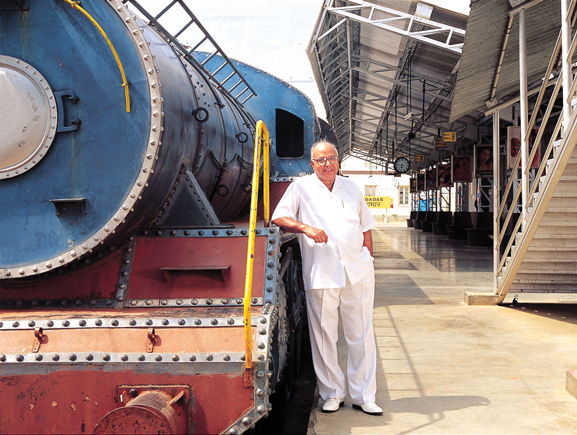
Image Source: Pixabay
Ramoji Rao also entered film production through Usha Kiran Movies.
The production house produced films in Telugu and other Indian languages and became known for supporting new talent and different kinds of stories.
Some of its films received major awards and recognition.
The company also produced commercially successful films and helped launch or support several actors, directors and technicians.
According to company financial information, Ushakiron Movies Private Limited reported revenue of about ₹356.69 crore in FY2024, an increase of approximately 11% compared with the previous year.
This figure should not be confused with the revenue of the entire Ramoji Group because the group consists of multiple separate companies and businesses.
Ramoji Rao’s Other Businesses
Ramoji Rao’s business interests extended well beyond media and films.
Margadarsi Chit Fund
Margadarsi was founded in 1962 and became one of his earliest major businesses. It provides chit-fund services and has a substantial branch network in southern India.
Priya Foods
The Priya brand became known for pickles, spice products and other food items. The brand expanded beyond Andhra Pradesh and became available in other Indian markets and overseas.
Dolphin Hotels
Rao also had interests in hospitality through the Dolphin Group of Hotels.
Kalanjali
Kalanjali developed as a retail business associated with traditional Indian clothing and handicrafts.
Mayuri Film Distributors
The group also entered film distribution through Mayuri Film Distributors.
Together, these businesses show Rao’s approach to entrepreneurship. He did not build his career around a single industry. Instead, he created businesses across sectors that connected with large consumer markets.
Ramoji Group Revenue and Financial Performance
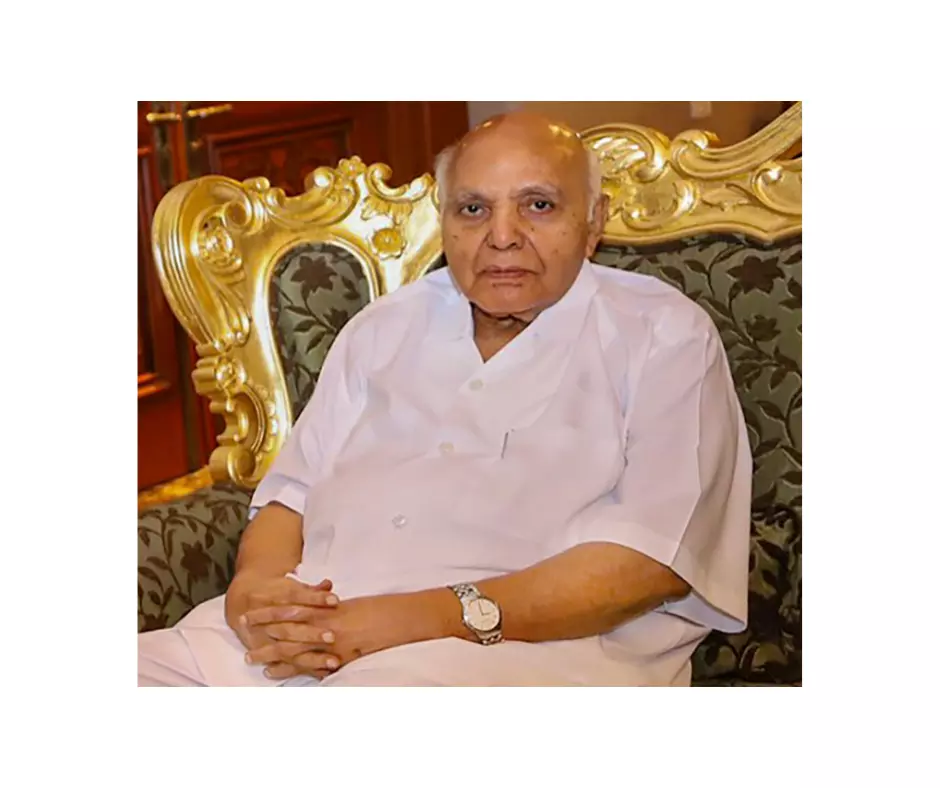
Image Source: Pixabay
One important point about Ramoji Rao’s finances is that there is no single publicly traded “Ramoji Group” financial statement that can be used as the group’s consolidated revenue and net income.
Many businesses associated with the group operate through separate private companies. Therefore, it would be misleading to take the revenue of one company and call it the revenue of the entire Ramoji Group.
For example, Ushodaya Enterprises Private Limited, an important group company associated with Eenadu and other businesses, reported approximately ₹2,267.78 crore in revenue for FY2024, according to company financial data based on filings. Revenue was about 6% higher than the previous year.
Another group company, Eenadu Television Private Limited, reported FY2024 revenue of around ₹752.88 crore.
Meanwhile, Ushakiron Movies reported approximately ₹356.69 crore in FY2024 revenue. These figures should not simply be added together to calculate Ramoji Rao’s personal income, because the companies have their own structures, ownership arrangements, expenses, taxes, subsidiaries and inter-company transactions. Publicly available sources also do not provide a reliable, audited figure for Ramoji Rao’s personal annual income or personal net income.
Ramoji Rao Net Worth
Ramoji Rao’s net worth has been reported differently by different media organisations. Some media reports published after his death estimated his wealth at around ₹35,000 crore, while other reports gave figures close to ₹37,000 crore. These are estimates rather than an officially disclosed audited personal net-worth statement.
His wealth was connected to his ownership interests and family-controlled businesses, land, media companies, film-related businesses and other assets. Since several of these businesses are private companies, determining his exact personal wealth is difficult.
Similarly, his annual personal income and net income were not publicly disclosed in a reliable consolidated statement.
Awards and Recognition
Ramoji Rao received several awards during his lifetime. The biggest recognition came in 2016, when he was awarded the Padma Vibhushan for his contribution to journalism, literature and education.
His film production work also received recognition. Usha Kiran Movies produced films that won National and Nandi Awards, while Rao himself became an important figure in Telugu cinema.
His achievements were recognised not only in business but also in media, cinema and public life.
Ramoji Rao’s Family
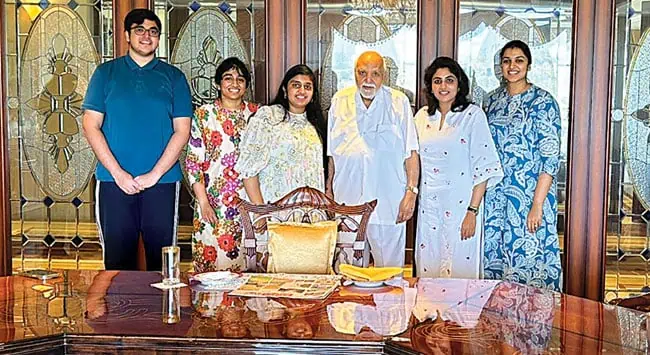
Image Source: Pixabay
Ramoji Rao was married to Rama Devi and had two sons, Kiran Cherukuri and Suman Cherukuri. His younger son Suman died of leukemia in 2012.
After Ramoji Rao’s death, his elder son Kiron Cherukuri became an important figure in the continued management of the group’s businesses. Current company information identifies Kiron Cherukuri as Managing Director of Ushodaya Enterprises.
This family involvement has helped the businesses continue after Ramoji Rao’s death.
Ramoji Rao’s Death
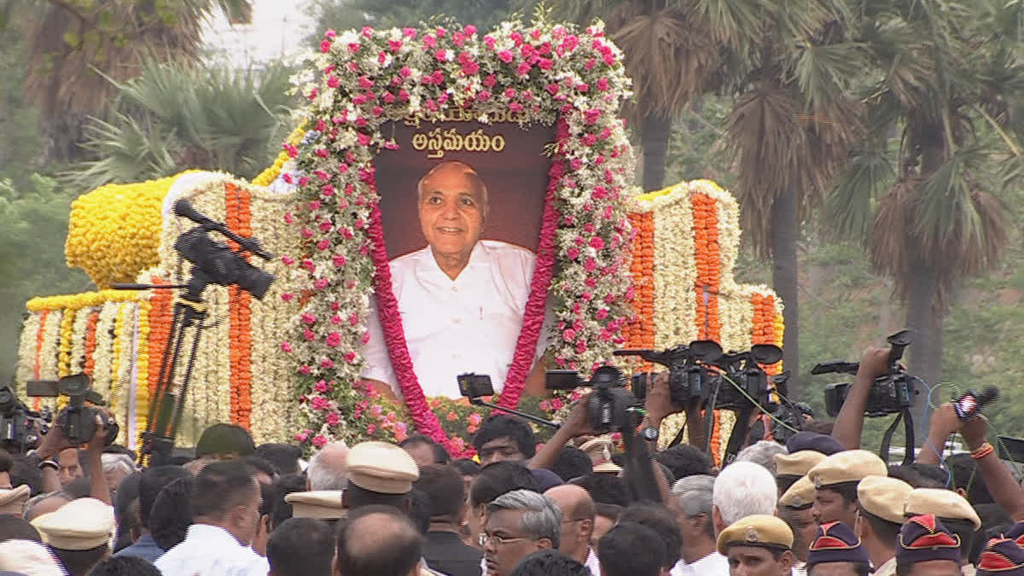
Image Source: Pixabay
Ramoji Rao died on June 8, 2024, in Hyderabad. He was 87. He had been receiving treatment at Star Hospitals after experiencing serious health problems. Reports said he had been suffering from age-related health complications and respiratory issues.
His final rites were held at Ramoji Film City with state honours. His death led to tributes from political leaders, journalists, filmmakers, actors and business personalities across India.
Prime Minister Narendra Modi described him as a visionary who had revolutionised Indian media, while several Telugu film personalities highlighted his contribution to cinema and the media industry.
Conclusion
Ramoji Rao’s life was the story of an entrepreneur who started from a modest background and built one of India’s most recognisable business and media legacies.
From launching Margadarsi Chit Fund in 1962 to starting Eenadu in 1974, entering television, producing films and creating Ramoji Film City in 1996, he spent decades building businesses around communication, entertainment and consumer needs.
His estimated wealth of around ₹35,000–₹37,000 crore is often highlighted when discussing his success, but his more important achievement was the institutions he created. The available company filings show that major group companies generated substantial revenue, including ₹2,267.78 crore for Ushodaya Enterprises and ₹752.88 crore for Eenadu Television in FY2024. These figures, however, represent individual companies and should not be treated as Ramoji Rao’s personal income or the consolidated revenue of the entire group.
Ramoji Rao died in 2024, but Eenadu, ETV, Ramoji Film City, Margadarsi and other businesses continue to carry his influence.
For millions of Telugu readers, viewers, film professionals and tourists, his name remains connected with newspapers, television and cinema. That lasting presence is perhaps the clearest measure of Ramoji Rao’s legacy.
FAQs :
1. Who was Ramoji Rao?
Ramoji Rao was an Indian media entrepreneur, journalist, businessman, and film producer.
2. When was Ramoji Rao born?
Ramoji Rao was born on November 16, 1936, in Pedaparupudi, Andhra Pradesh.
3. When did Ramoji Rao die?
Ramoji Rao died on June 8, 2024, at the age of 87.
4. What is Ramoji Rao famous for?
Ramoji Rao was famous for founding Eenadu, Ramoji Film City, ETV, and Margadarsi Chit Fund.
5. When was Eenadu founded?
Eenadu was launched on August 10, 1974, in Visakhapatnam.
6. What is Eenadu?
Eenadu is a leading Telugu-language newspaper founded by Ramoji Rao.
7. When was Ramoji Film City established?
Ramoji Film City was established in 1996 near Hyderabad.
8. How large is Ramoji Film City?
Ramoji Film City covers around 2,000 acres, according to its official website.
9. Why is Ramoji Film City famous?
Ramoji Film City is famous as a major film production facility and one of India’s popular film-tourism destinations.
10. What was Ramoji Rao’s net worth?
Ramoji Rao’s net worth was estimated by media reports at around ₹35,000–₹37,000 crore.
11. What was Ramoji Rao’s main business?
Ramoji Rao’s main businesses included media, publishing, television, financial services, films, hospitality, and food products.
12. What is Margadarsi Chit Fund?
Margadarsi Chit Fund is a financial-services company founded by Ramoji Rao in 1962.
13. Did Ramoji Rao receive the Padma Vibhushan?
Yes, Ramoji Rao received the Padma Vibhushan in 2016 for his contributions to journalism, literature, and education.
14. Who was Ramoji Rao’s son?
Ramoji Rao had two sons, Kiran Cherukuri and Suman Cherukuri.
15. What is Ramoji Rao’s legacy?
Ramoji Rao’s legacy includes Eenadu, ETV, Ramoji Film City, Margadarsi, and his wider contribution to Indian media and entertainment.