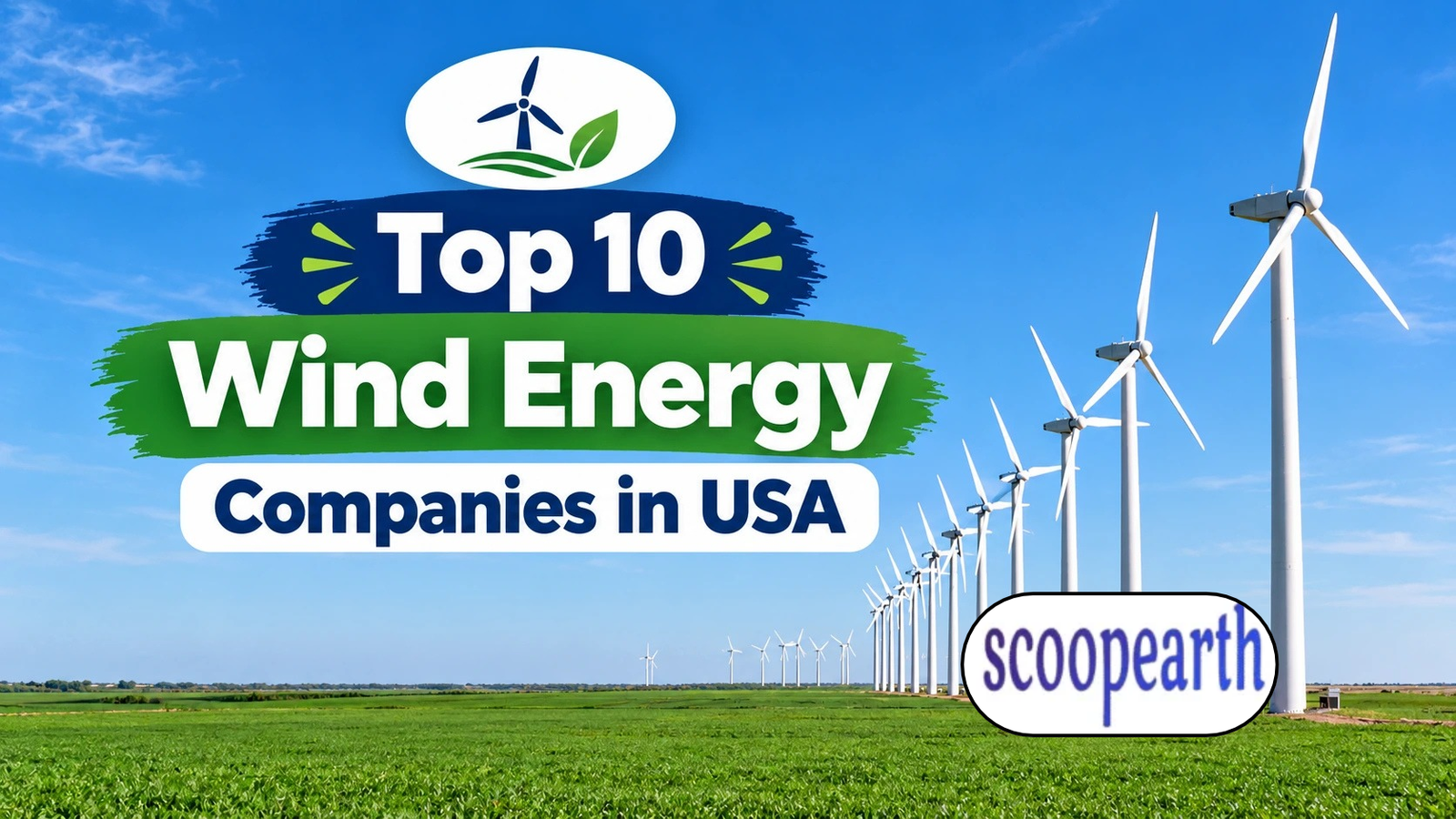
Wind power has become a major part of the U.S. electricity market, especially across states such as Texas, Iowa, Oklahoma, Kansas, Illinois and New Mexico. More than 75,000 wind turbines now operate across the country, and U.S. wind capacity stands at roughly 161 GW. The U.S. Energy Information Administration also expects developers to add more wind capacity in 2026, with several large projects moving ahead across the country.
The companies behind this growth do different jobs. Some develop and operate large wind farms, while others manufacture the turbines that make those projects possible. A few companies handle both development and long-term operations across several states. The following list looks at ten companies that hold a strong position in the U.S. wind market through their projects, installed capacity, technology, development work and service networks.
Top 10 Wind Energy Companies in USA at a Glance
| Rank | Company | Main Role in Wind Energy |
| 1 | NextEra Energy Resources | Wind farm development and operation |
| 2 | GE Vernova | Wind turbine manufacturing and services |
| 3 | Vestas | Wind turbine manufacturing and services |
| 4 | Invenergy | Wind development, ownership and operation |
| 5 | Clearway Energy Group | Wind farm ownership and operation |
| 6 | Pattern Energy | Wind development and transmission |
| 7 | Avangrid | Onshore and offshore wind development |
| 8 | Ørsted | Onshore and offshore wind |
| 9 | AES | Wind development and power generation |
| 10 | Siemens Gamesa | Wind turbine technology and services |
1. NextEra Energy Resources
NextEra Energy Resources has built one of the largest renewable power businesses in North America, with wind forming an important part of its portfolio. The company develops, finances and operates large energy projects for utilities and commercial customers across the United States. Its wider renewable portfolio includes around 28 GW of wind and solar generating capacity based on its latest published company figures, while its total generation portfolio exceeds 40 GW.
The size of its project pipeline also shows how active the company remains in wind. NextEra Energy Resources has projects in several major wind states, including Texas, Iowa, Nebraska, South Dakota, Minnesota and Wyoming. For example, its proposed Platte Wind project in Nebraska could reach 800 MW, while the Jackalope Wind project in Wyoming could add another 600 MW.
NextEra stands out because it handles much more than project construction. It works across development, financing, operations and long-term power supply, which gives the company a large role in how utility-scale wind projects reach the grid.
2. GE Vernova
GE Vernova plays a different role in the wind market because it builds the turbines that many American wind farms use. The company says its U.S. onshore fleet includes about 35,000 turbines with more than 80 GW of capacity, giving it the largest installed base of onshore wind turbines in the United States.
Its 3 MW turbine platform has become particularly common across large U.S. wind projects. GE Vernova says its 2.8 MW model alone has an installed fleet of more than 20 GW, while the wider 3 MW platform has crossed 10,000 installations.
The company also supports projects after installation rather than simply selling equipment and walking away. Its wind business covers turbine technology, maintenance and service, which matters because wind farms usually operate for decades and need regular technical support throughout that period.
3. Vestas
Vestas has built a large manufacturing and service presence across the American wind industry. The company reports more than 50,000 MW of turbines installed in the United States and Canada, with over 44,000 MW under service. It also employs more than 5,500 people across the region in manufacturing, installation and turbine servicing.
Vestas supports its North American operations through offices in cities such as Portland, Houston and Boston, while two Colorado factories supply turbine components. The company also spent about $2 billion across its U.S. supply chain in 2025, working with more than 1,000 American suppliers.
Its long history in onshore wind gives Vestas a strong position among utilities and wind developers that need both equipment and long-term maintenance support. The company has also entered the U.S. offshore market, which gives it another route for growth as offshore projects move forward.
4. Invenergy
Chicago-based Invenergy has spent more than two decades developing large energy projects, and wind remains one of the strongest parts of its business. The company says it has developed around 20 GW of wind power since 2004 across 124 projects that operate, remain under construction or have secured contracts. Its operating wind projects can supply electricity equal to the needs of roughly six million homes.
Invenergy works through the full project cycle, from finding suitable sites and arranging permits to construction and long-term operations. It has developed wind farms across many U.S. states and continues to work on new projects, including large developments in Texas.
The company also remains one of North America’s largest privately held independent power producers. Across all technologies, Invenergy has developed more than 38 GW of power infrastructure, which gives it the financial and technical experience needed to handle large wind developments.
5. Clearway Energy Group
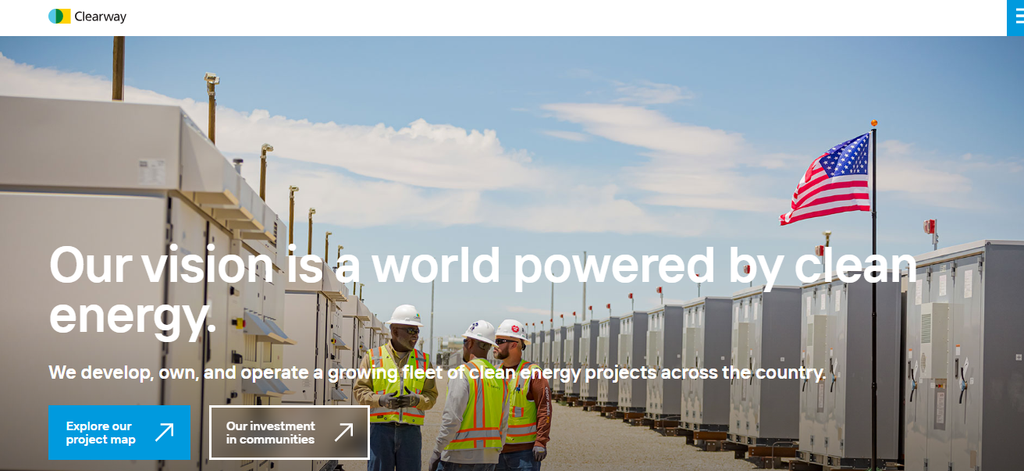
Clearway Energy Group owns and operates one of the largest renewable energy portfolios in the country. Wind accounts for around 4.5 GW of its nationwide capacity, and the company runs projects across several major wind regions. Its broader operating portfolio reaches about 14 GW across 27 states.
Some of Clearway’s wind farms rank among the better-known projects in the United States. The company operates the 947 MW Alta Wind facility in California, along with projects such as Mesquite Star in Texas, Mount Storm in West Virginia and Cedar Creek in Idaho.
Clearway also manages operations and maintenance for much of its own portfolio. That gives the company direct control over its wind assets after construction and allows it to manage performance, maintenance and power delivery over the long term.
6. Pattern Energy
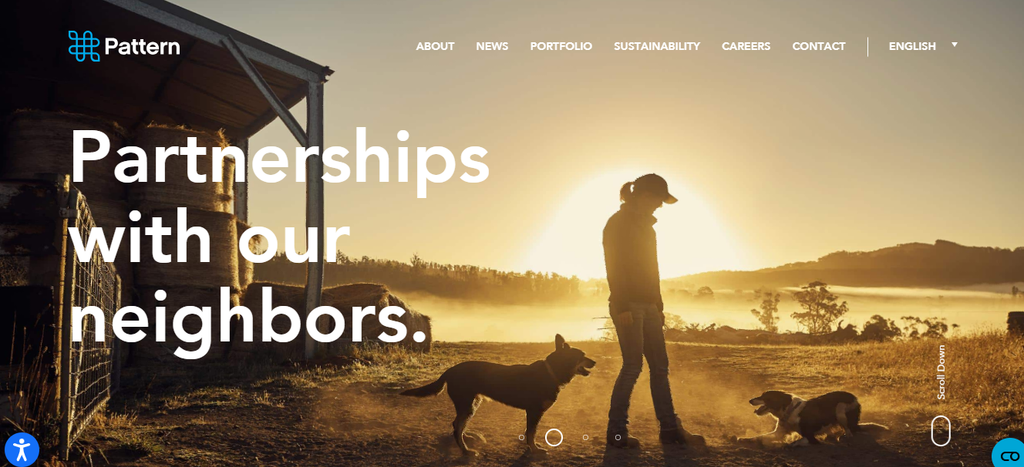
Pattern Energy moved further up the U.S. wind market in 2026 when its massive SunZia Wind and Transmission project entered operation. SunZia includes 3,650 MW of wind generation in New Mexico and a transmission system that carries electricity toward Arizona and other parts of the western United States. Pattern says the project can supply electricity equal to the needs of about one million homes.
The company expanded again in April 2026 when it completed its acquisition of Cordelio Power. That deal added roughly 1,550 MW of operating and under-construction wind, solar and storage projects across the United States and Canada.
Pattern focuses heavily on large projects where generation and transmission need to work together. That approach gives the company a distinct place in the market because building a wind farm only solves part of the problem; developers also need enough transmission capacity to move that electricity to customers.
Visit Website
7. Avangrid
Avangrid operates a large renewable power business across the United States and has built a particularly strong position in wind. The company runs more than 9 GW of onshore renewable capacity across much of the country and also develops offshore wind projects along the East Coast.
Its wind footprint stretches across several regions. In the central United States alone, Avangrid operates 25 wind projects alongside one solar project, with the regional portfolio reaching about 2.7 GW. In parts of the West, the company operates another 22 wind projects, while eight wind projects across New Mexico and Texas provide roughly 1.9 GW of capacity.
Avangrid also works in offshore wind through projects such as Vineyard Wind 1 and its New England Wind developments. That combination of land-based and offshore projects makes Avangrid one of the more widely spread wind developers operating in the U.S. market.
8. Ørsted
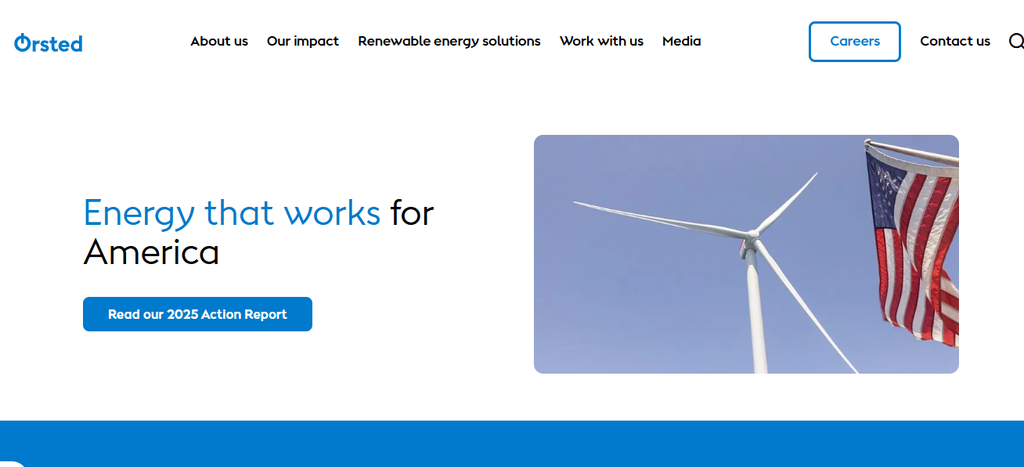
Ørsted built its global reputation around offshore wind, but its U.S. business now covers both offshore and land-based projects. The company operates 13 onshore wind farms in the United States, and those projects produce enough electricity to serve more than one million homes.
The offshore side of its U.S. business includes South Fork Wind, Revolution Wind and Sunrise Wind. South Fork became the first utility-scale offshore wind farm operating in the United States, while Revolution Wind and Sunrise Wind continue to expand Ørsted’s presence in the Northeast.
Ørsted also reached an important point with Revolution Wind in 2026 when the project started delivering its first electricity to New England. The company brings extensive offshore experience into a U.S. market where large offshore projects require complex construction, transmission and marine operations.
9. AES
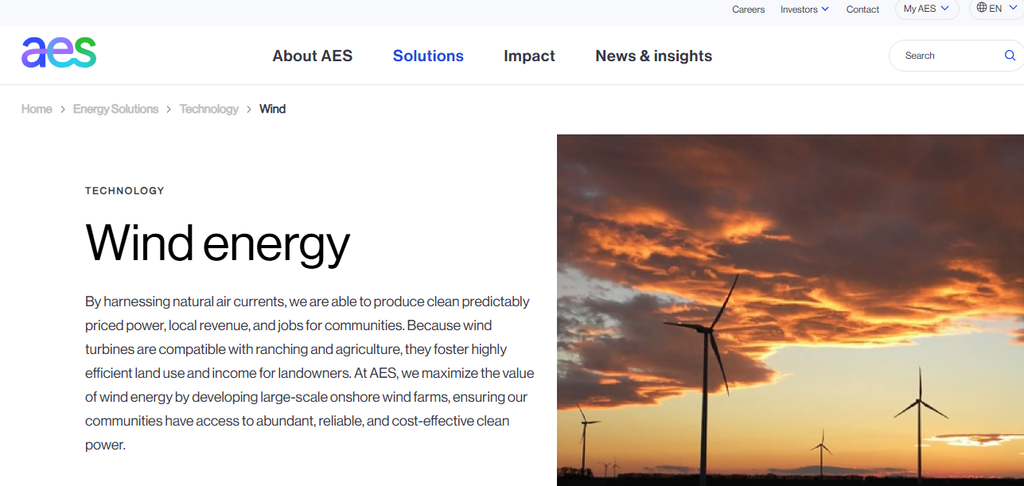
AES operates a broad U.S. power portfolio that includes wind, solar, batteries and conventional generation. Across all technologies, the company owns or operates more than 600 energy projects in 31 U.S. states and territories, with about 17.9 GW of total operating generation.
Wind forms part of that wider business through operating projects, repowering work and new developments. AES has worked on projects such as Delta Wind in Mississippi, Laurel Mountain in West Virginia and Mountain View in California, while its approved West Camp Wind project in Arizona carries a planned capacity of 500 MW.
AES may not focus on wind alone, but its size and nationwide development capabilities give it a meaningful place in the U.S. market. The company can also combine wind with solar, storage and other technologies when customers need a broader power solution.
10. Siemens Gamesa
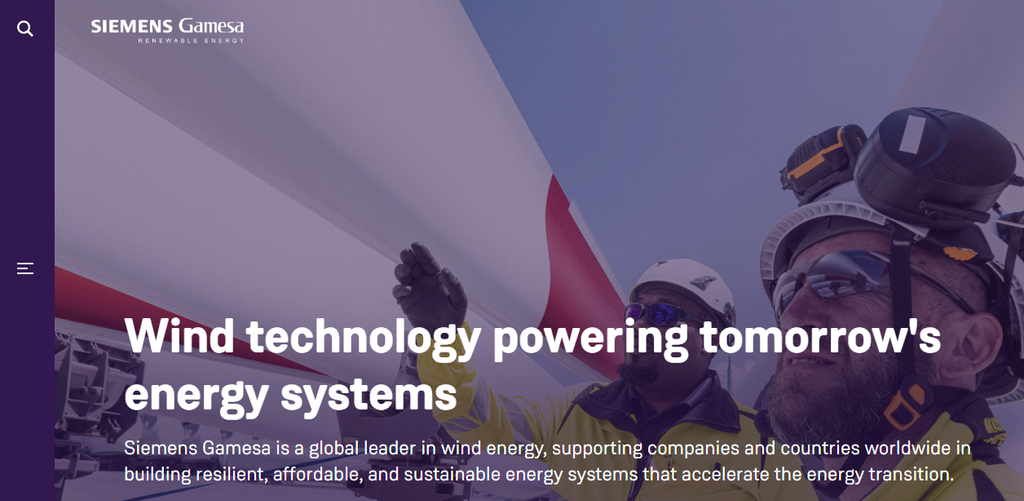
Siemens Gamesa has supplied wind technology around the world for decades and continues to serve the American market with turbines designed for U.S. conditions. Its SG 3.2-129 turbine, for example, targets medium- and low-wind sites in the United States and delivers 3.2 MW of rated power.
The company works across both onshore and offshore wind. Its larger global turbine and service experience also supports major offshore projects, and Siemens Gamesa turbines feature in several projects under development or construction internationally and in the United States.
Siemens Energy announced in July 2026 that Siemens Gamesa and Siemens Energy will gradually move under the new Omterra brand umbrella, so customers may start seeing that name more often as the transition progresses. The company continues to operate its wind business during that change.
What Makes a Wind Energy Company Stand Out?
Size matters in wind energy, but it does not tell the whole story. A company also needs experience with site selection, permitting, transmission, turbine technology, maintenance and long-term project operation. Wind farms can run for decades, so customers and utilities usually need partners that can support the project well after construction ends.
The type of company matters too. GE Vernova, Vestas and Siemens Gamesa mainly supply turbine technology and services, while companies such as NextEra Energy Resources, Invenergy, Clearway and Pattern Energy focus more heavily on developing or operating wind farms. Avangrid and Ørsted also bring offshore wind experience into the market.
The U.S. still has room for more wind development. EIA data showed about 164.5 GW of utility-scale onshore wind capacity in service at the end of June 2026, while industry research expects developers to connect more than 50 GW of additional U.S. wind capacity through 2030.
Conclusion
The U.S. wind market includes several types of companies, so the biggest project developer will not always compete directly with the biggest turbine manufacturer. NextEra Energy Resources, Invenergy, Clearway, Pattern Energy, Avangrid, Ørsted and AES mainly build, own or operate energy projects, while GE Vernova, Vestas and Siemens Gamesa supply much of the technology that keeps those projects running.
Wind already supplies a meaningful share of American electricity, and new projects continue to move forward even as the industry faces changes in permitting, costs and project schedules. The companies that can combine reliable technology, experienced project teams and long-term operations will continue to play a large role in the U.S. wind market.
Frequently Asked Questions
Which company has the largest wind turbine fleet in the USA?
GE Vernova reports the largest installed U.S. onshore turbine fleet, with about 35,000 turbines representing more than 80 GW of capacity.
Which companies manufacture wind turbines in the USA?
GE Vernova, Vestas and Siemens Gamesa supply wind turbines and related services to projects across the American wind market.
Which U.S. company develops large wind farms?
NextEra Energy Resources, Invenergy, Clearway Energy Group, Pattern Energy, Avangrid and AES all develop or operate large wind projects across the United States.
Does the USA use offshore wind energy?
Yes, companies such as Ørsted and Avangrid develop offshore wind projects along the U.S. East Coast, while projects such as South Fork Wind and Vineyard Wind have already brought offshore wind power into the American electricity market.
Which states produce the most wind energy in the USA?
Texas leads the U.S. wind market by a wide margin, while states such as Iowa, Oklahoma, Kansas, Illinois and New Mexico also support large wind fleets and new project development.
Is wind energy growing in the USA?
Yes, U.S. developers continue to add wind capacity, and current industry forecasts expect more than 50 GW of additional wind capacity to connect to the grid through 2030.