Hair care shelves in the US look very different from what they did a few years ago. Shampoo and conditioner still make up the basics, but shoppers now also buy scalp treatments, bond-repair products, masks, oils and leave-ins depending on what their hair needs.
The brands below cover different parts of that market. Some built their names in salons, while others became familiar through pharmacies, supermarkets and large retailers. The ranking looks at US demand, product choice, salon use, price and how relevant each brand remains today.
Top 10 Hair Care Brands in USA at a Glance
| Rank | Brand | Best Known For |
| 1 | Redken | Professional hair care and damage repair |
| 2 | Pantene | Everyday shampoos, conditioners and Pro-V formulas |
| 3 | Olaplex | Bond repair and damaged hair |
| 4 | L’Oréal Paris | Affordable hair care for different concerns |
| 5 | SheaMoisture | Curly, coily and textured hair |
| 6 | Mielle | Textured hair and scalp care |
| 7 | Moroccanoil | Argan oil treatments and styling |
| 8 | Dove | Damage repair and moisture care |
| 9 | Garnier Fructis | Shampoo, styling and frizz control |
| 10 | Kérastase | Luxury salon hair care |
1. Redken
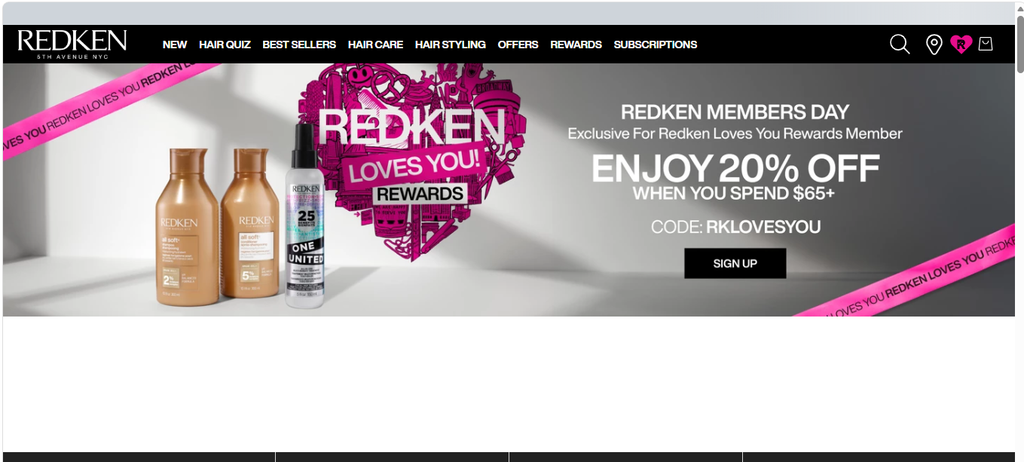
Actress and hairstylist Paula Kent founded Redken in 1960 after dealing with products that irritated her sensitive scalp and damaged her hair.
She worked with chemists and built the early formulas around three things: protein, moisture and an acidic pH. Redken still uses that basic idea in many of its products today.
The brand now holds a major place in professional hair care. Redken says KlinePro and Circana sales data ranked it the No. 1 professional hair brand in the US through June 2025.
Its Acidic Bonding Concentrate range gets a lot of attention for damaged and color-treated hair, while older lines such as All Soft, Extreme and Color Extend remain part of the range.
Redken sits above normal drugstore pricing, but buyers do not have to visit a salon to find it. Ulta and other beauty retailers carry the products widely.
2. Pantene
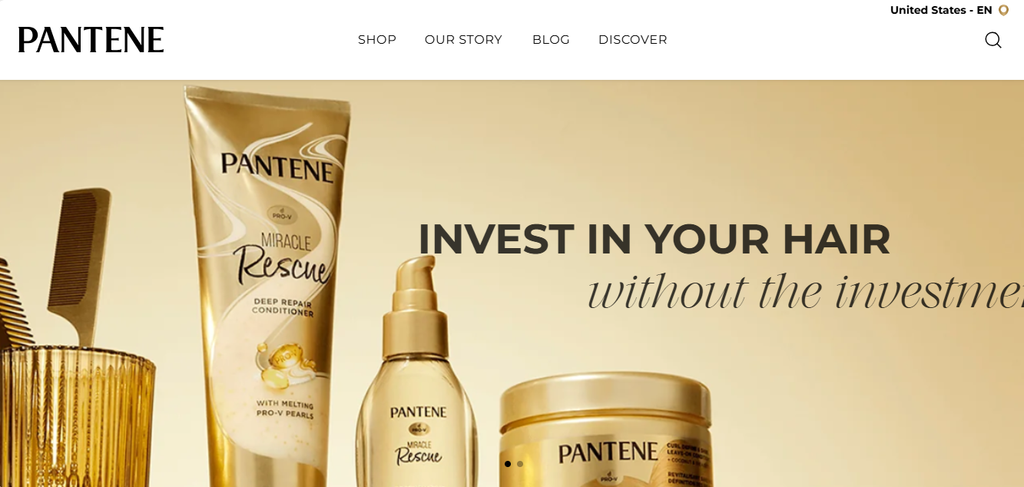
Pantene dates back to 1945, and Pro-Vitamin B5 has stayed closely linked with the brand for decades.
Researchers first used panthenol, a form of vitamin B5, in the formulas, and Pantene later built much of its identity around what it called the Pro-V system. The brand reached the American market during the 1960s and became much easier to find after it moved deeper into mass retail in the 1980s.
Today, Pantene sells shampoos, conditioners, masks, leave-ins and treatments for dry, damaged, fine and color-treated hair.
The formulas still use Pro-Vitamin B5, although newer products also bring in lipids, antioxidants and other conditioning ingredients.
Pantene stays popular largely because shoppers can put together an entire routine without paying salon prices.
3. Olaplex
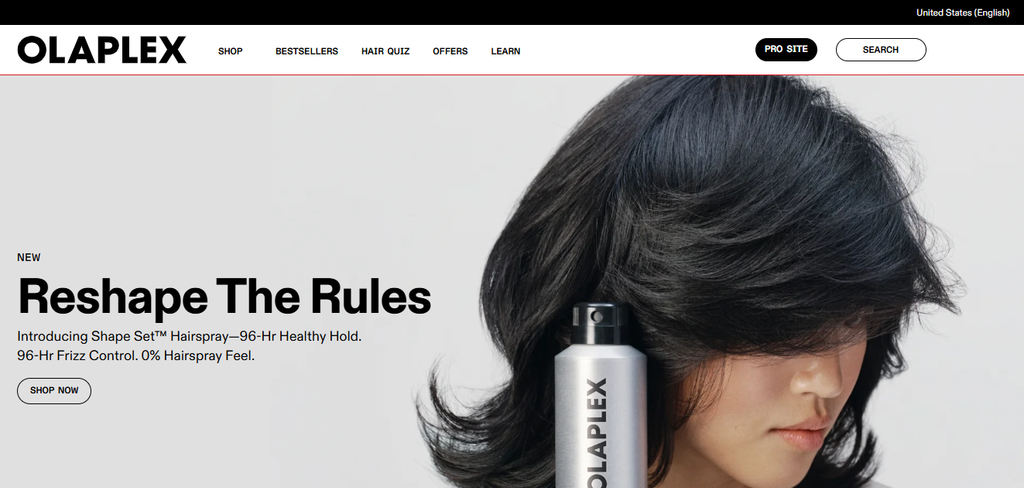
Olaplex entered the market in 2014 with products aimed at hair damaged by bleach, color and other chemical services.
The company built its original professional system around bis-aminopropyl diglycol dimaleate, an ingredient developed to work on broken bonds inside the hair.
Salons used the first products during chemical treatments, but Olaplex quickly moved into home care too. No.3 Hair Perfector arrived in the same year and became one of the products most closely linked with the brand.
Olaplex now sells shampoo, conditioner, masks, oils, styling products and professional treatments.
Prices sit well above Pantene, Dove or Garnier, and the brand still focuses heavily on repair. People who bleach, straighten, color or use a lot of heat often know Olaplex because of that one area rather than because it tries to cover every type of everyday hair care.
4. L’Oréal Paris
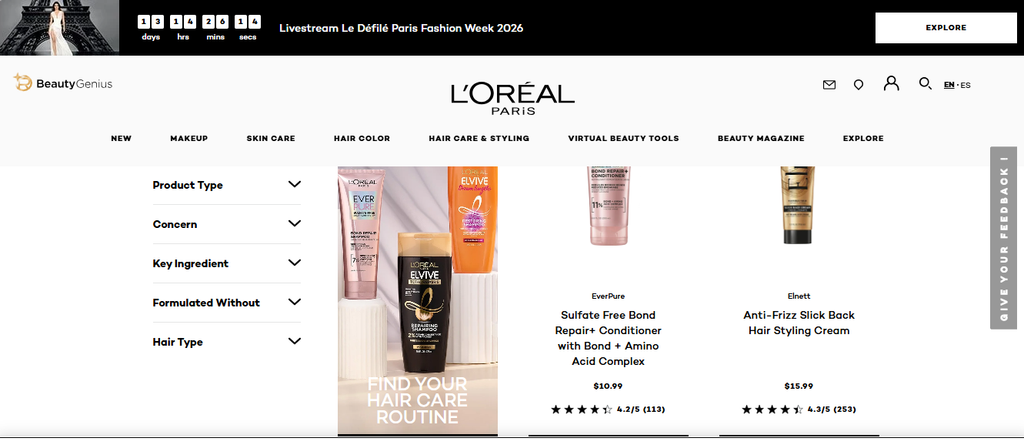
L’Oréal Paris gives shoppers a wide hair care range without moving into salon-level prices.
Its US shelves include Elvive Total Repair 5, Dream Lengths, Hyaluron + Plump, EverPure and several other lines for dryness, breakage, frizz, oily roots and color-treated hair.
The brand also brings ingredients usually seen in skincare into some of its hair products. Hyaluronic acid appears in hydration formulas, while salicylic acid shows up in products made for oily roots and scalp care.
L’Oréal Paris also sells bond-repair products through its EverPure range.
Most of the range stays within normal drugstore pricing, which makes it easy for shoppers to try a different shampoo, conditioner or treatment without spending much more than they would on other mass-market brands.
5. SheaMoisture
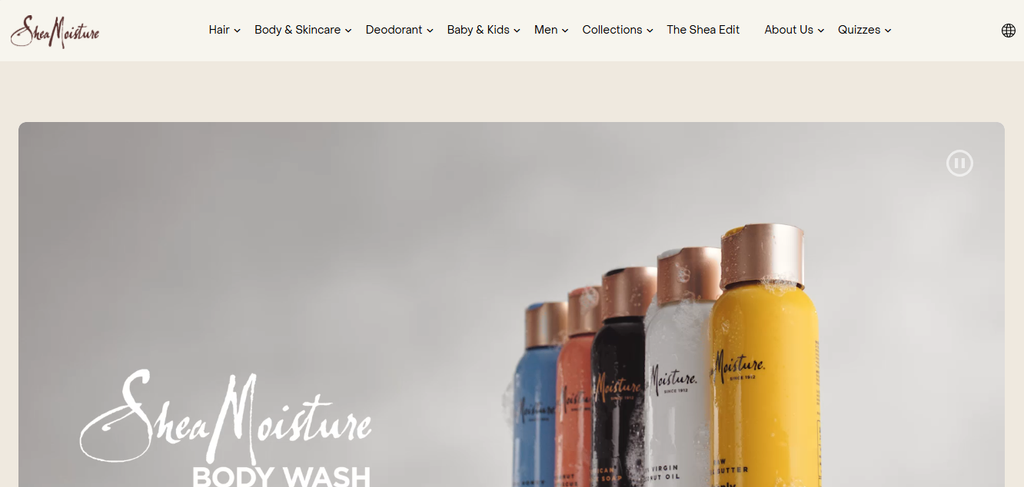
SheaMoisture built much of its business around textured hair.
The modern brand started in Harlem in 1991, but its story goes back to Sofi Tucker, who sold shea butter and homemade beauty products in Sierra Leone in 1912.
Curl care remains a major part of the range.
SheaMoisture sells shampoos, conditioners, masks, leave-ins, styling creams and oils for curly and coily textures, along with products for moisture, strengthening and scalp care.
Shea butter appears throughout the collection, though different ranges use ingredients such as coconut oil, Jamaican black castor oil, manuka honey and hibiscus.
The brand also continues to put money into programs connected with Black-owned businesses and community projects.
6. Mielle
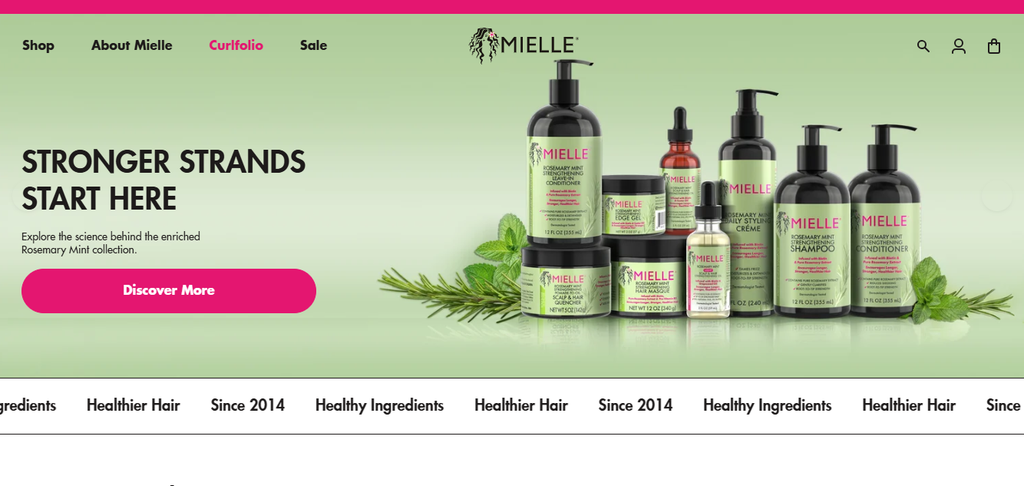
Monique Rodriguez started Mielle in 2014 after her own search for products that worked well on textured hair.
Rodriguez, a registered nurse, first built the company around ingredient-rich formulas and natural-hair routines. Mielle now sells in more than 87 countries and over 100,000 US stores, according to the company.
The Rosemary Mint Scalp & Hair Strengthening Oil became one of its best-known products, but Mielle now has several complete collections.
It makes shampoos, conditioners, oils, masks, leave-ins and stylers for curls, coils and protective styles.
P&G added Mielle to its beauty business, while Rodriguez continued leading the brand.
Mielle has grown quickly, but textured hair still sits at the heart of what it sells.
7. Moroccanoil
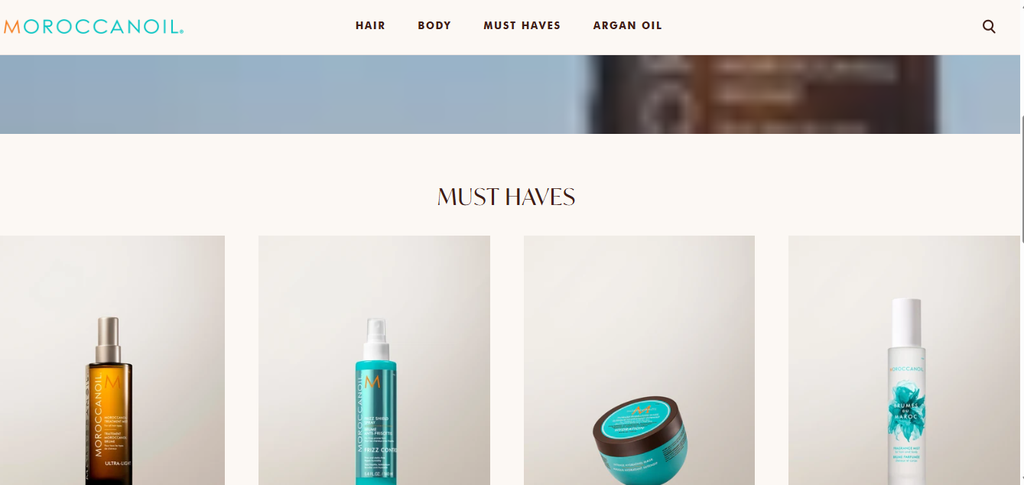
Moroccanoil started with one product.
Co-founder Carmen Tal tried an argan oil hair treatment while travelling and later built the brand around the same idea. Its original Moroccanoil Treatment went on to become the product most closely associated with the company.
Hair oil remains a big business for the brand.
Moroccanoil says Circana data ranked it the No. 1 hair oil brand in US prestige beauty for 2025.
The range has grown since the first treatment and now covers shampoo, conditioner, masks, styling products, color care and professional hair color.
Argan oil still appears throughout many of those products.
Moroccanoil costs more than mass-market brands, but it sits below some of the highest-priced luxury salon lines.
8. Dove
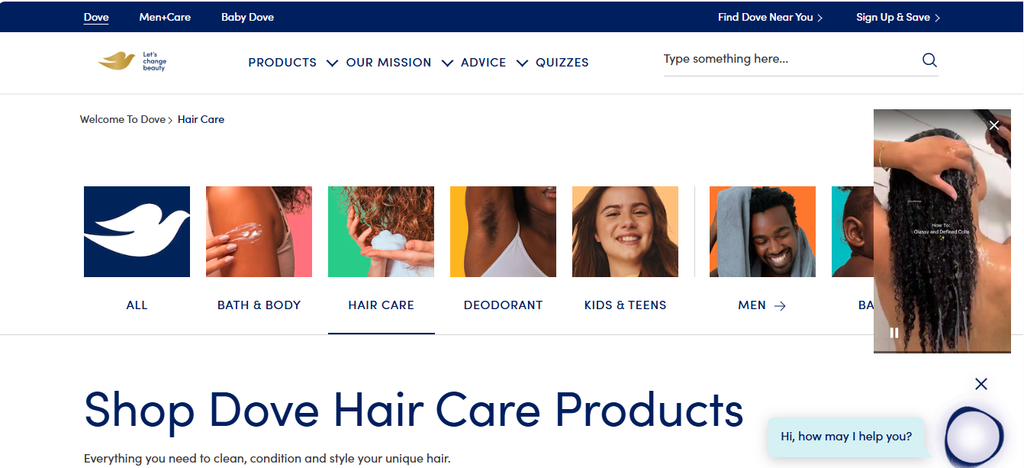
Dove keeps most of its hair products in the affordable end of the market.
Shampoo and conditioner make up a large part of the range, but the company has put more attention on damage repair in recent years.
Its Damage Therapy Bond Strength collection includes shampoo, conditioner, a mask and a serum aimed at chemically treated hair. Dove uses its Bio-Protein Care system and peptides in the line.
The Intensive Repair collection takes a similar route for hair damaged by heat, coloring and everyday styling.
Dove works well for people who want basic wash-day products with repair-focused formulas but do not want prestige prices.
The brand also sells ranges for curls, dryness, volume and scalp care.
9. Garnier Fructis
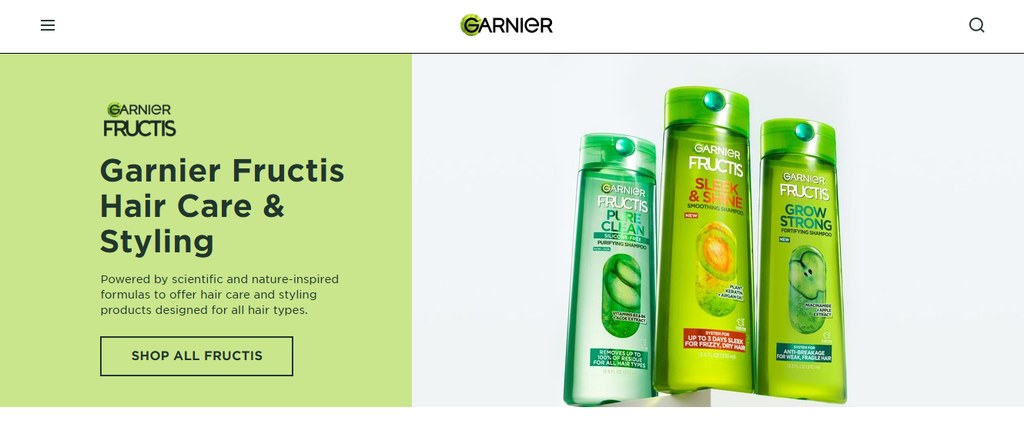
Garnier Fructis has spent years in the US drugstore hair aisle.
Its current collection covers shampoo, conditioner, leave-ins, styling products and treatments.
Sleek & Shine remains one of the better-known ranges for frizz, while Curl Nourish focuses on curly hair. Grow Strong targets breakage, and the newer Hair Filler collections cover strength, moisture and color care.
Garnier describes Fructis as a mix of science and nature-inspired formulas.
The company has also removed parabens, phthalates and DMDM hydantoin from the Fructis range.
Prices remain firmly mass market, which makes the brand easy to find in pharmacies, supermarkets and larger retail stores.
10. Kérastase
Kérastase takes a very different position from most brands on this list.
L’Oréal launched the French salon brand in 1964, and Kérastase has spent more than 60 years selling professional and luxury hair care.
The company sells products for dryness, thinning, curls, color-treated hair, damaged hair and scalp concerns.
Popular ranges include Nutritive, Genesis, Résistance, Discipline and Blond Absolu.
Kérastase also keeps a strong salon connection. The company says it works with more than 150,000 hairdressers and sells in more than 60 countries.
Prices sit well above typical drugstore products, so a shampoo and conditioner pair can cost several times more than a similar-sized Pantene or Garnier routine.
Which Hair Care Brand Works Best for Different Hair Needs?
| Hair Need | Brands to Consider |
| Damaged or bleached hair | Olaplex, Redken, Kérastase |
| Dry hair | Pantene, Dove, Moroccanoil |
| Curly or coily hair | SheaMoisture, Mielle |
| Frizz | Moroccanoil, Garnier Fructis |
| Affordable everyday care | Pantene, Dove, L’Oréal Paris |
| Professional salon care | Redken, Kérastase |
| Scalp care | Mielle, L’Oréal Paris, Kérastase |
| Hair oil | Moroccanoil, Mielle |
| Color-treated hair | Redken, Olaplex, Kérastase |
| Budget-friendly repair | Dove, L’Oréal Paris |
Hair type matters more than the name on the bottle. Someone with fine hair may dislike a rich product that works perfectly on thick curls, while heavily bleached hair usually needs something different from healthy untreated hair.
Why Hair Treatments Are Growing in the USA
American shoppers now buy more than shampoo and conditioner.
Circana reported that hair treatments drove much of the growth in prestige hair care during the first half of 2026. Hair serum sales rose nearly 60%, while masks, oils, leave-in treatments and scalp products also recorded gains.
Brands have followed that demand.
Olaplex built its name on treatment products. Redken sells bond repair and leave-ins. Moroccanoil made hair oil its signature product, while Mielle has built a large audience around oils and scalp care.
Even mass brands now sell products that once appeared mainly in salons.
Dove has bond-care serums and masks, while L’Oréal Paris sells scalp serums and bond-repair treatments next to regular shampoo.
Mass Hair Care vs Prestige Hair Care
Price remains one of the clearest differences.
Pantene, Dove, Garnier and L’Oréal Paris sell products that often cost less than $10 or $15.
Redken, Olaplex and Moroccanoil usually cost more.
Kérastase goes higher again, especially when several products make up the routine.
That does not mean an expensive shampoo automatically works better.
A person with healthy hair may only need a simple cleanser and conditioner. Someone who bleaches regularly may decide that a more expensive treatment earns its place in the routine.
US shoppers increasingly mix both price levels. Circana has found that hair buyers move between mass and prestige instead of buying from only one side of the market.
What to Look for Before Buying Hair Care
Start with what the hair actually needs.
Dry hair usually needs moisture. Bleached or chemically treated hair may benefit from repair products, while fine hair can feel heavy when a formula contains too many rich oils or butters.
Curl pattern matters too.
SheaMoisture and Mielle make many products specifically for curls and coils, while Redken and Kérastase divide their ranges by concerns such as color, damage or dryness.
Scalp condition deserves attention as well. An oily scalp and dry lengths can need two different things, which explains why more brands now sell scalp treatments separately from conditioners and masks.
It is also worth giving one routine time to work before buying five more products because they went viral online.
Conclusion
The top 10 hair care brands in USA cover very different budgets and hair needs.
Redken leads the professional side of the US market, while Pantene has spent decades selling everyday hair care at mass-market prices. Olaplex brought bond repair into the mainstream, and L’Oréal Paris continues to offer a large range without salon pricing.
SheaMoisture and Mielle give textured hair a much bigger place on store shelves. Moroccanoil remains closely tied to hair oil, while Dove and Garnier keep repair and styling affordable.
Kérastase finishes the list at the luxury end.
US hair care keeps changing quickly. Prestige sales rose 11% in the first half of 2026, and treatments are taking a bigger share of what shoppers buy.
The better choice still comes down to hair type, damage level, routine and budget rather than simply picking the most expensive brand.
Frequently Asked Questions
What are the top 10 hair care brands in USA?
Redken, Pantene, Olaplex, L’Oréal Paris, SheaMoisture, Mielle, Moroccanoil, Dove, Garnier Fructis and Kérastase make up this list.
What is the No. 1 professional hair brand in the USA?
Redken currently calls itself the No. 1 professional hair brand in the US, using KlinePro and Circana professional-market sales data through June 2025.
Which hair care brand is good for damaged hair?
Olaplex and Redken have large repair ranges, while Dove and L’Oréal Paris offer lower-priced options for damaged hair.
Which brands are good for curly hair?
SheaMoisture and Mielle make many products for curly, coily and textured hair. Both sell shampoos, conditioners, masks, leave-ins and styling products.
Which hair care brands are affordable?
Pantene, Dove, Garnier Fructis and L’Oréal Paris have plenty of shampoos and conditioners at mass-market prices.
Is Olaplex an American brand?
Yes. Olaplex started in the US in 2014 and first sold its bond-building products through professional salons.
Is Mielle Black-owned?
Mielle remains Black-founded and Black-led under founder Monique Rodriguez, while P&G Beauty owns the company.
Which brand is best known for hair oil?
Moroccanoil built its name around argan oil and says Circana ranked it the No. 1 hair oil brand in US prestige beauty for 2025.
Is Kérastase expensive?
Kérastase sells luxury professional hair care, so its shampoos, conditioners and treatments usually cost more than mass brands such as Pantene, Dove or Garnier.
Is hair care growing in the USA?
Yes. Circana reported an 11% rise in US prestige hair-care sales during the first half of 2026, while mass hair care also posted dollar growth.