You get really sick. You’re admitted to hospital. Now you’re worried about two things: getting better and paying the bills. With cashless mediclaim, the insurance company deals directly with the hospital. You don’t have to worry about scrounging up massive amounts of cash. But honestly, most people don’t really understand how this actually works. You show up with your insurance card and basically hope for the best.
Here’s what actually happens from admission to discharge.
Why This Actually Matters
You’ve got health insurance. You still panic when you’re admitted. What if the costs are way higher than your coverage? What if the insurance refuses to pay? What if they demand cash upfront anyway?
Cashless mediclaim means the insurance company and hospital sort out the money between themselves. You focus on not dying. That’s it. That’s the benefit.
But here’s the catch. This only works if your hospital is actually in the insurance network. Most big hospitals are. But some smaller ones aren’t. If your hospital isn’t networked, they’ll ask you to pay first. Then you deal with insurance later.
Before You Actually Go To The Hospital
If you know something’s coming, call your insurance company first. Not when you’re in the ambulance. Before.
Ask three things. Does your policy actually cover what you’re getting treated for? You’d be surprised how many people don’t check. Pregnancy treatment has waiting periods. Pre-existing stuff has waiting periods. Your coverage might not be what you think it is.
Second, is the hospital you want to go to actually in their network? Don’t assume. Call and ask. A hospital that sounds good might not be covered.
Third, what documents do you need to bring? Insurance card, obviously. Policy number. Some insurers want additional stuff. Know this before you arrive so you’re not scrambling.
Thirty minutes on the phone saves you days of stress later.
The Moment You Arrive
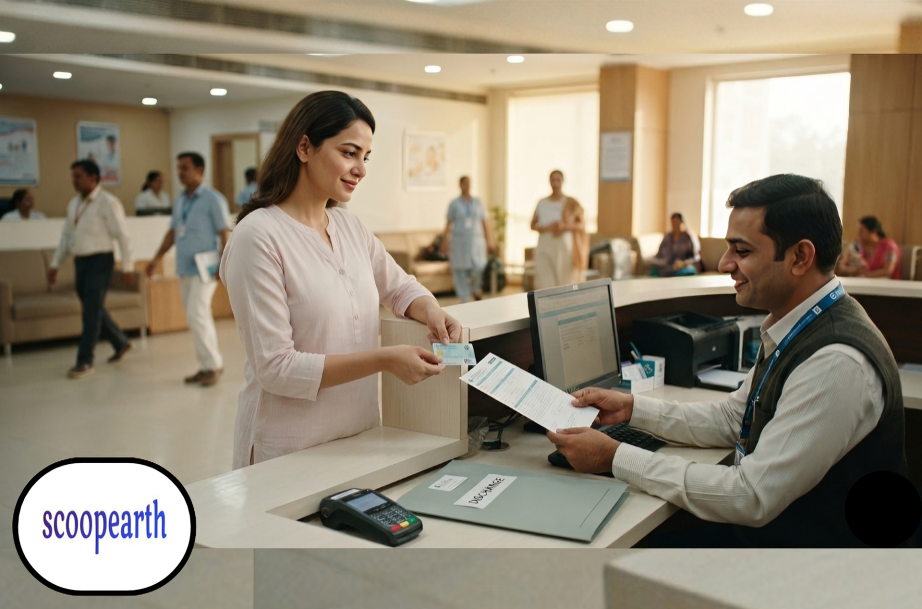
You walk into the hospital. You’re admitted. They send you to the admission desk. Now insurance stuff starts.
The staff asks for your insurance card and policy number. They probably call the insurance company or punch it into some system. The insurance company checks if your policy is active. Checks if your condition is covered. Checks how much money you’ve got left this year.
This usually takes an hour or two. If it’s night or the insurance system is slow, it takes longer.
Once they verify everything, the hospital tells you cashless mediclaim will happen. You sign something. The insurance company says they’ll pay the hospital directly. You’re not paying.
While You’re Being Treated
You’re in hospital. Doctors order tests. They decide on treatment. Maybe you need surgery. Everything costs money.
For big procedures, the hospital usually asks insurance upfront. If surgery costs ₹2.5 lakh, the hospital sends this to insurance. Insurance decides if it’s actually needed and if they’ll pay.
Sometimes they approve. Sometimes they ask for medical reports. Sometimes they refuse.
This takes 24 hours or so. Meanwhile, you’re already admitted and being treated. You don’t really care about the insurance paperwork. You just want to get better. That’s the whole point of cashless. The hospital and insurance deal with each other. You deal with recovery.
The approved amount can also change if the treatment plan changes. If your doctor recommends an additional procedure or your hospital stay becomes longer, the hospital may need to send another request to the insurer. That’s why keeping track of the approval status can save confusion later.
Also read: Indian life insurance sector recorded 15.7% growth in new business premiums, reaching ₹4.6 lakh crore
Things That Go Wrong
Sometimes insurance says the treatment isn’t necessary. Your doctor disagrees. They fight. You’re caught in the middle, watching them argue about your medical care.
Sometimes the bill is higher than expected. They said ₹2.5 lakh, but it’s actually ₹3 lakh. Insurance approved ₹2.5 lakh. Now someone has to pay the extra ₹50,000.
Sometimes your hospital isn’t actually in the network even though you thought it was. You’ve already been treated. Now they want cash.
Doesn’t happen every time. But it happens enough that you should know about it.
Also Read: Health insurance segment expanded with a substantial 41% of the non-life industry in FY26
Discharge Day
You’re getting better. The doctor says you can go. Discharge happens.
They print out the final bill. Every charge. Room. Medicines. Tests. Doctor fees. Everything.
They subtract what insurance approved. What’s left, you pay.
Usually nothing’s left. Everything was approved. You walk out free.
Sometimes it’s a small amount. They underestimated by a few thousand. You pay it.
Sometimes it’s a big amount. Insurance refused to cover something. You get hit with a surprise bill.
Before leaving, check the final bill and make sure you understand any amount marked as payable by you. It’s easier to clear up questions before leaving than after the file is closed.
After You Leave
Insurance gets the full bill from the hospital. They check it against what they approved. They pay what they owe.
If you paid anything out of pocket for something that should’ve been covered, you can ask for reimbursement. You send them the bill and proof you paid. They decide if they’ll give you the money back.
For official information on health insurance claim processes and timelines, check the IRDAI health insurance guidelines.
What You Actually Need To Do
Call insurance before admission if you can. Verify the hospital is covered. Write down the hospital name and verify it.
During treatment, keep every bill they give you. Keep the insurance approval letters. Keep receipts if you pay for anything.
After discharge, don’t just assume insurance will handle everything. Follow up with them if you need reimbursement. Sometimes they need reminding.
Disclaimer: This blog is for general information only. Cashless mediclaim works differently at different hospitals and with different insurance companies. Coverage limits and approval processes vary. Read your policy. Ask your insurance company questions. Contact your hospital’s insurance department if you’re unsure about anything.