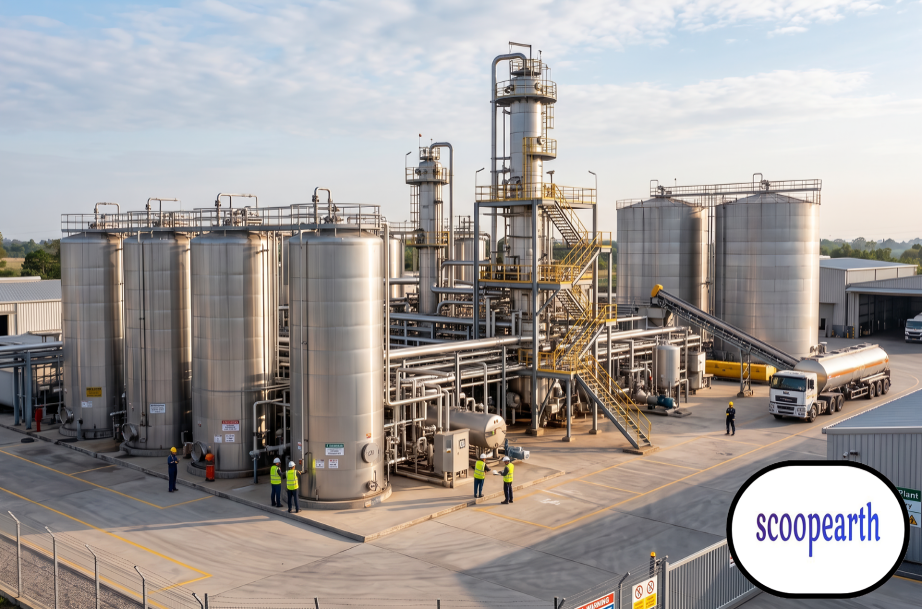
The Government of India has issued strict instructions to the states, along with the OMCs and fuel retailers, to stop using sugar juice, directly obtained raw sugar, and major sugar feedstocks for ethanol procurement. The policy measure is a response to the decrease in the yield of sugarcane due to adverse weather conditions due to El Niño phenomenon and irregular weather. The move comes with a view to prioritising domestic sugar availability, keeping local sugar market prices stable, and averting any potential domestic shortage in the coming marketing year by limiting sugarcane juice diversion for blending fuel.
Weather disruptions and regulatory framework
The decision to suspend sugarcane diversion for biofuel blending follows critical low points in the monsoon season, when adverse climate impacts were witnessed in key growing areas of India. El Niño–related heavy depletion of rainfall affected sugar-producing states such as Maharashtra and Karnataka.
Reduced rainfall affected crop development, which resulted in lower yield expectations and degraded cane quality throughout agricultural belts. The government opted for market intervention when overall sugar production is estimated to be lower due to the apprehension that having less sugar at the disposal of the market would result in unfulfilled demand in the domestic market and less sugarcane availability for the programs of renewable fuels.
A new regulatory regime says state-controlled fuel retailers and oil marketing companies must stop placing new orders for ethanol made from sugarcane juice and dense molasses. For sugar mills and distilleries, the policy adjustment mandates reprogramming raw cane processing capacity toward traditional production of refined sugar.
Before the restriction, India was working on an extensive ethanol-blending program with the aim of reducing the country’s dependence on imported crude oil and encouraging the use of cleaner fuels. With the reduced crop yields and reduced domestic stock, the Indian government decided to focus on food security instead.
Industry implications and biofuel goals
Adequate supplies of refined sugar are also an item of importance for the Government to prevent psychosis in the local retail markets. The food inflation issue and overall production expectations led to the urgency for domestic policymakers to procure the required quantity of commodities.
The restriction is meant to prevent the use of primary sugarcane feedstock in biofuel crops, thus maintaining the price of domestically produced sugar for household consumers and industrial food processors.
This brings temporary operational changes for the ethanol producers and sugar mills, who have sunk substantial resources into distillation capacity, but the government says protecting local food supplies outweighs expansion of renewable fuel production in times of agricultural shortfalls.
The sugar-to-ethanol diversion came to an end as a short-term rebalancing of the national biofuel blueprint, while the sector adapts to the new climate-induced agricultural limitations. Sugar mills will now concentrate on maximizing refined sugar production during the crushing season to increase state and central sugar reserves.
Fuel retailers and distilleries are expected to look for alternative feedstocks like damaged food grains, maize, or food stocks in excess of the national sugar supply chain to continue their ethanol blending schedules. Authorities will keep tracking crop conditions, weather updates, and domestic stocks to decide on future policy changes on the utilisation of sugarcane and the biofuel blending programme.
Conclusion
India’s refraining from cane diversion for ethanol production demonstrates a proactive solution to agricultural challenges resulting from El Niño. The government has requested state-owned fuel retailers to suspend purchases of ethanol produced from sugarcane, shifting the focus from aggressive biofuel mandates to domestic availability and price stability, rather than market dominance. While the policy is a temporary setback for the ethanol blending drive, it will ensure adequate national sugar stock till the agricultural situation returns to normal, while giving protection to households.