Every contractor knows the feeling. Three bids are due this week, the crew is stretched thin, and the drawings for the biggest project just landed in your inbox. Do you spend your weekend doing takeoffs, or do you risk skipping the bid?
This is where construction estimating decides whether a company grows or stalls. A sharp estimate wins work at a healthy margin. A rushed one either loses the job on price or wins it and loses money on the build.
This guide covers what construction estimating services include, why accuracy matters, and when outsourcing makes more sense than building an in-house team.
What Are Construction Estimating Services?
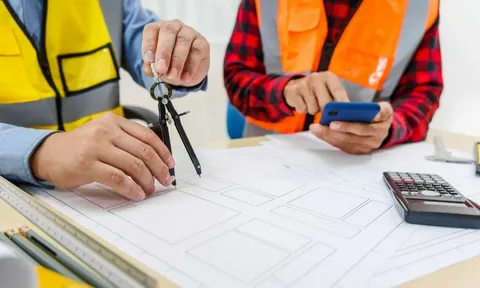
Construction estimating services are the pre-construction work of reading plans and specifications, measuring quantities, and pricing everything it takes to build the project. Professional estimators turn a set of drawings into a bid-ready number built on three core pieces:
- Material costs. Quantities from the takeoff, priced with current supplier quotes and cost databases.
- Labor hours and pricing. Productivity rates adjusted for project complexity, location, and whether the work is union or non-union.
- Equipment costs. Hours and rental rates for cranes, excavators, lifts, and other machinery the job requires.
Done properly, the result is more than a total. It’s a detailed breakdown that you can adjust, defend in a bid review, and later use to build a schedule and budget.
Why Accuracy Matters More Than Speed
Bidding low can win a job. Bidding accurately wins the right job.
An estimate that misses even small items causes real damage. Forgotten permits, cleanup, mobilization, and freight costs rarely look serious on paper, but together they can wipe out the profit on a project. Drywall is a good example. A thorough drywall estimate doesn’t stop at gypsum board and framing. It also counts the screws, tape, compound, and corner bead. Those minor items are easy to skip, and they add up quickly across a large building.
Accuracy also protects your reputation. Owners and general contractors remember which subs delivered clean, clearly scoped bids and which ones came back later with change orders for things that should have been included.
Common Estimating Mistakes That Cost Contractors Money
Even experienced contractors fall into the same traps:
- Incomplete takeoffs. Missing sheets, addenda, or details buried in the specifications.
- Outdated pricing. Material costs move, and a quote from three months ago may no longer hold.
- Ignoring location. Freight, local labor rates, and permit costs vary widely by zip code, and a metro-area job brings its own restrictions on working hours and access.
- Wrong productivity assumptions. Labor rates that ignore job conditions lead to underbid hours.
- Missed deadlines. The best estimate in the world is worthless if it arrives after the bid date.
The Real Cost of an In-House Estimator
Hiring a full-time estimator sounds like the obvious fix, but it carries more than a salary. There are benefits, software subscriptions for tools like Bluebeam, PlanSwift, and RSMeans, training time, and the reality that bid volume is uneven. Some months you have more work than one person can handle. Other months the estimator sits mostly idle.
An inexperienced estimator is the bigger risk. One bad assumption on a large bid can cost more than an entire year of outsourced estimating.
Why Contractors Outsource Estimating
Outsourcing converts a fixed overhead cost into a flexible one. Instead of carrying a full estimating department, you pay for the estimates you need, when you need them. The main advantages are:
- Capacity on demand. Bid more projects without adding headcount.
- Specialist expertise. Trade-specific estimators who work across concrete, steel, drywall, sitework, masonry, MEP, and more.
- Professional tools included. You get the output of premium software without paying for each license.
- Faster turnaround. Dedicated teams can handle short deadlines and rush jobs.
- Time back for your core work. You and your project managers stay focused on winning relationships and running jobs instead of counting wall studs at midnight.
Providers like BidWin Solutions work with general contractors, subcontractors, material suppliers, developers, and architects, covering both residential and commercial projects. Their estimates break out material, labor, and equipment, and they offer flexible options such as dedicated estimators and monthly packages for contractors with steady bid volume.
How the Process Typically Works
Working with an estimating company is simpler than most contractors expect:
- Send the drawings. Share the full plan set, usually as PDFs, along with your scope of work.
- Receive a quote. The estimating team reviews the plans and gives you a price and timeline for the work.
- Get your estimate. You receive a detailed, editable bid package you can review, adjust with your own markups, and submit.
Many firms offer a free, no-commitment consultation first, so you can judge the quality of their work before you commit.
What to Look for in an Estimating Partner
Not every provider is the same. Before you hand over your plans, check for:
- Trade coverage that matches your work. An estimator who knows your trade will catch details a generalist misses.
- Current, location-based pricing. Estimates should reflect your project’s zip code, not national averages.
- Editable, easy-to-read formats. You should be able to change quantities, rates, and markups quickly.
- Reliable turnaround. Ask about their record on short deadlines.
- Clear communication. The best partners will discuss the project with you and answer questions about assumptions.
- Proven tools. Industry-standard takeoff and cost software signals a serious operation.
Estimating Is a Business Decision, Not Just a Technical One
The strongest contractors treat estimating as part of how they run the business. Knowing your true costs lets you price confidently, choose which jobs to chase, and avoid projects that look attractive but carry thin margins. That same discipline applies to any growing company. Publications like ScoopEarth regularly cover how founders and small business owners manage costs, scale operations, and make smarter decisions as they grow, and many of those lessons apply just as well to a contracting business.
Final Thoughts
Accurate construction estimating is one of the most direct ways to protect your profit and win more work. Whether you build an in-house team or outsource to specialists, the goal is the same: bids that are fast, complete, and priced to win without sacrificing margin.
If bid deadlines are piling up, or you’re tired of guessing whether a number is right, a professional estimating partner can take that weight off your plate. Send your next set of plans to a team like BidWin Solutions and see how a detailed estimate changes the way you bid.