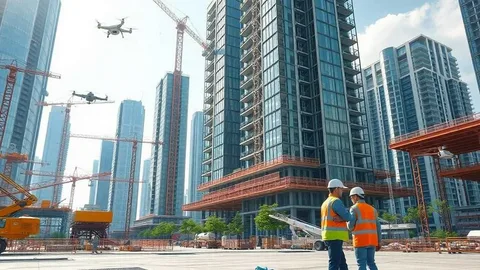
The construction industry has long been known for traditional methods, but that is changing quickly. From AI-powered planning to drones on job sites, technology is making building projects faster, safer and more cost-effective. Here is a look at the biggest construction technology trends making headlines today.
1. Artificial Intelligence in Construction
AI is now used for scheduling, cost estimation, risk prediction and design optimization. Smart software can analyze past projects to spot delays before they happen, helping teams stay on time and within budget. AI tools also review blueprints and flag errors early, which reduces expensive rework.
2. Building Information Modeling (BIM)
BIM creates a detailed digital model of a building before construction begins. Architects, engineers and contractors can all work from the same model, which improves coordination and cuts mistakes. Modern BIM platforms now connect with cloud tools, so teams can update plans in real time from anywhere.
3. Drones and Aerial Mapping
Drones are widely used to survey land, track progress and inspect hard-to-reach areas. They capture accurate data in a fraction of the time manual surveys take, and they keep workers out of dangerous spots. Many companies now use drone data to compare actual progress against project plans.
4. 3D Printing and Prefabrication
3D-printed structures and prefabricated building components are gaining attention for their speed and reduced waste. Parts built off-site in controlled factories arrive ready to assemble, shortening schedules and improving quality control.
5. Robotics and Autonomous Machines
Robots now handle tasks like bricklaying, rebar tying and site layout marking. Autonomous and semi-autonomous equipment, including excavators and haul trucks, is helping address labor shortages while improving precision and safety.
6. Wearables and Site Safety Technology
Smart helmets, sensors and wearable devices monitor worker location, fatigue and exposure to hazards. Connected safety systems can send instant alerts when something goes wrong, helping prevent accidents on busy job sites.
7. Sustainable and Green Construction Tech
Sustainability is a major driver of innovation. Energy-efficient materials, low-carbon concrete, solar integration and smart building systems are becoming standard goals. Digital tools also help teams measure and reduce a project’s environmental impact.
8. Digital Twins and IoT
A digital twin is a virtual copy of a building or site that updates using live sensor data. Combined with Internet of Things (IoT) devices, it lets managers monitor equipment, energy use and structural health after construction is complete, making maintenance smarter and cheaper.
Why This Matters
These technologies address the industry’s biggest challenges: tight budgets, skilled labor shortages, safety risks and project delays. Companies that adopt them early often gain a clear competitive advantage through better efficiency and fewer costly surprises.
Stay Updated
Technology in construction moves quickly, so it pays to follow reliable sources. For more tech news, guides and in-depth articles, visit Techpks.com.
Conclusion
Construction technology is no longer a future idea. It is reshaping how buildings are designed, built and maintained today. From AI and drones to robotics and digital twins, the industry is entering a smarter, safer and more sustainable era.