
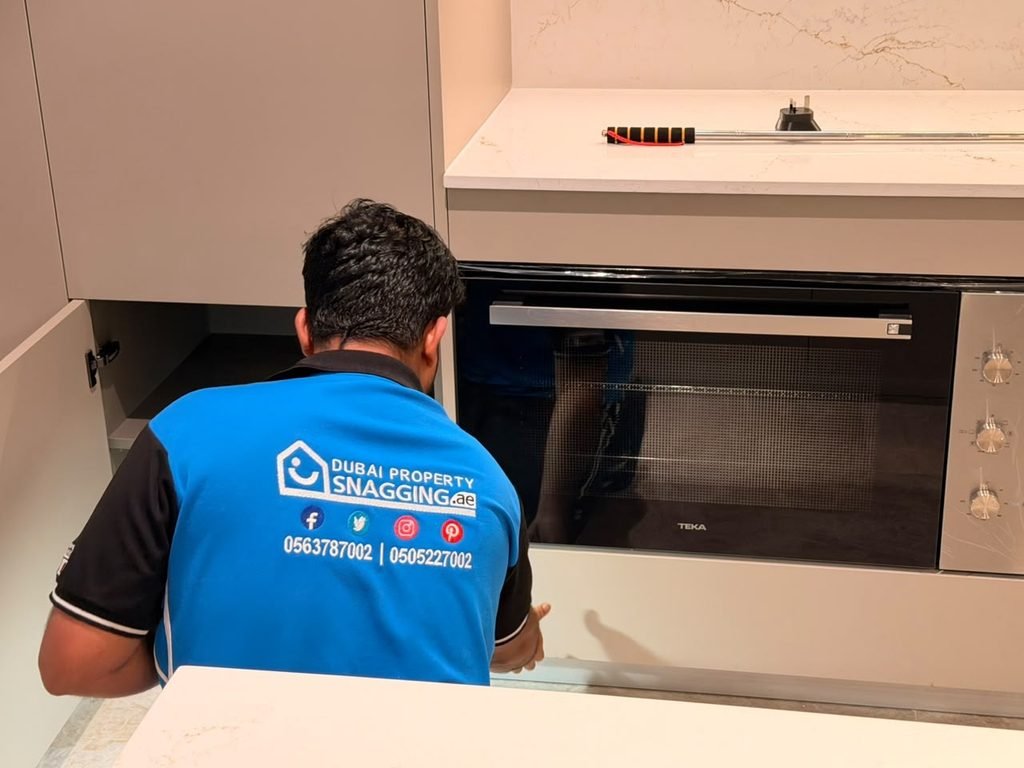
There’s a moment every new homeowner in Dubai knows well. You open the door to your brand-new apartment or villa, and you’re already picturing it furnished: the sofa by the window, the dining table under a statement light, the rug that ties the living room together. But before moving in, arranging a professional property snagging Dubai inspection can help identify hidden defects, unfinished work, and potential issues, ensuring your new home is ready for you to enjoy.
Before any of that happens, there’s one step that’s easy to skip and expensive to regret: property snagging.
A freshly painted home can hide a lot. Uneven tiles, doors that don’t close properly, a balcony that holds water, an AC that can’t cope with August. These things are much easier to fix before your furniture, curtains and art go in. This guide walks you through property snagging in Dubai room by room, so you know what to look for and why it matters for both your budget and your interiors.
What Is Property Snagging?
Property snagging is a detailed inspection of a new or newly renovated home to identify defects before you accept it. A “snag” is anything that isn’t finished properly. It might be cosmetic, like a paint drip or a scratched worktop. It might be functional, like a socket with no power. Or it might be something more serious, like a hidden leak or poor waterproofing. In Dubai, roof waterproofing Dubai services are particularly important for identifying potential roof leaks, moisture penetration, and waterproofing defects that could lead to costly property damage.
The inspection produces a snag list: a report of every defect, with photos and locations. You share it with the developer or contractor, they fix the items, and ideally someone checks the repairs afterwards. That follow-up visit is called de-snagging.
Think of it as a final quality check, done on your behalf, by someone who knows exactly where builders tend to cut corners.
Why Property Snagging in Dubai Matters So Much
Dubai builds at remarkable speed. Whole communities appear in a few years, and handovers often happen in large batches. When hundreds of homes are finished against the same deadline, small mistakes are almost guaranteed to slip through.
The climate is the other big factor. Long, intense summers, humidity near the coast and the odd heavy rainstorm put real pressure on a home. Weak sealant around windows, a badly sloped shower floor or an undersized AC unit may not show up on handover day, but they usually show up in the first summer.
Then there’s the financial side. In Dubai, developers are legally responsible for fixing defective installations, such as plumbing and electrical work, for one year, and structural defects for ten years. That protection is valuable, but only if you find and report problems in time. Property snagging in Dubai is how you make sure the developer pays for their mistakes, rather than you.
A Room-by-Room Property Snagging Guide
Every home is different, but these are the areas inspectors look at most closely.
Entrance and living areas
- Main door: does it close smoothly, lock properly and seal against light and dust?
- Floors: tap tiles for a hollow sound, and check for lippage (uneven edges between tiles), chips and inconsistent grout lines
- Walls and ceilings: look for cracks, patchy paint and uneven plaster, especially under side light
- Windows and sliding doors: test locks and handles, and check the seals and drainage channels
Kitchen
- Cabinet doors and drawers: alignment, soft-close function and hinge fixings
- Worktops: chips, scratches, gaps along the wall and sealant around the sink
- Plumbing: leaks under the sink, water pressure and hot water
- Appliances: check that every supplied appliance switches on and works
- Extractor hood: does it actually vent air?
Bathrooms
- Shower floor slope: water should run to the drain, not pool in a corner
- Waterproofing: inspectors often use moisture meters or thermal cameras to spot hidden damp
- Sealant around basins, bathtubs and shower trays
- Toilets: secure fixing, proper flush and no leaks at the base
- Exhaust fan: present and working
Bedrooms
- Built-in wardrobes: doors level, rails secure, shelves fixed
- AC: each room cools properly and the drain line doesn’t drip
- Sockets and switches: power to every point, no loose faceplates
Balconies and terraces
- Floor slope and drainage, so water doesn’t sit after rain
- Railing height and fixings
- Sealant where the floor meets the wall and the door frame
Villa extras
- Roof and terrace waterproofing
- Garden irrigation and external drainage
- Boundary walls, gates and external lighting
- Water tanks and pumps
Snags That Can Ruin Your Interior Plans
This is the part many people don’t think about until it’s too late. Some defects aren’t just annoying. They directly affect how your home looks and how long your design choices will last.
- Uneven floors and walls. Large-format tiles, wooden flooring and floor-to-ceiling wardrobes all need flat surfaces. A wall that’s out of plumb makes fitted joinery look crooked and leaves visible gaps.
- Hidden moisture. A slow leak behind a wall can stain new paint, lift wallpaper, warp wooden floors and grow mould behind furniture. Fixing it after you’ve decorated means paying twice.
- Wrong socket and light positions. It sounds minor, but a socket in the wrong spot can ruin a planned TV wall or bedside layout. Snagging checks that the electrical points match the approved drawings.
- Poor AC performance. An AC that struggles leads to condensation, damp patches and discomfort, which no amount of styling can hide.
- Damaged surfaces. Scratches on marble, chips on worktops and stained grout are much harder to claim once your own contractors or movers have been through the home.
If you’re planning a fit-out or have hired an interior designer, schedule your property snagging before any design work starts. Your designer will thank you, and you won’t end up building on top of someone else’s mistakes.
When to Book Snagging, and How It Works
The best time for property snagging in Dubai is after the developer invites you to inspect, but before you sign the handover documents. That’s when you have the most leverage. If you’ve already moved in, you can still snag during the defect period, but the earlier the better.
Here’s how the process usually goes:
- Book the inspection as soon as you receive the developer’s handover or inspection notice.
- The inspection. A one-bedroom apartment usually takes 2 to 3 hours. A large villa can take most of a day. Inspectors use tools such as moisture meters, thermal cameras, spirit levels and socket testers.
- The report. You receive a snag list with photos, room locations and clear descriptions, usually within a day or two.
- Send it to the developer. They review the list and schedule repairs.
- De-snagging. Once the developer says the work is done, a second visit confirms that each item has actually been fixed properly.
- Handover. Only then do you sign, collect the keys and start planning furniture deliveries.
DIY or Professional Property Snagging?
You can absolutely walk through your new home with a checklist, and it’s worth doing either way. But there’s a real difference between a DIY check and a professional inspection.
| DIY check | Professional snagging | |
| Cost | Free | A paid service, usually priced by property size |
| Tools | Your eyes, a phone torch, maybe a spirit level | Thermal camera, moisture meter, socket tester, laser level |
| Hidden defects | Easy to miss | Leaks, damp and electrical faults are easier to find |
| Report | Your own notes and photos | Structured report the developer can act on |
| Follow-up | You chase the repairs yourself | De-snagging visit to check the work |
A DIY walk-through catches the obvious things. A professional property snagging inspection catches the things that cost real money later: hidden leaks, failed waterproofing and wiring faults behind the walls. For most buyers, the inspection fee is small compared with the price of one of those repairs.
Advice for Agents, Investors and First-Time Buyers
First-time buyers: Go along to the inspection if you can. You’ll learn where the stopcock is, how the AC works and what normal looks like in your new home. Ask questions. Good inspectors enjoy explaining what they find.
Investors and landlords: Snagging protects your rental income. A leak or a weak AC means unhappy tenants and repair calls in the first year. Many experienced investors snag every unit they buy and book a move-in inspection before each new tenancy, so the condition is on record.
Real estate agents: Recommending property snagging builds trust. It shows you care about the client’s experience after the deal closes, and it reduces stressful calls once they move in. On resale homes, a pre-listing inspection can also smooth negotiations by bringing issues out early.
Off-plan buyers: Keep an eye on your handover timeline, and book your inspector early. Popular communities often hand over many units in the same few weeks, and good inspectors get busy.
Frequently Asked Questions
What is property snagging?
Property snagging is an inspection of a new or renovated home to find defects, unfinished work and poor workmanship before you accept the keys. The findings go into a report so the developer or contractor can fix them.
Is property snagging in Dubai worth it for a brand-new home?
Yes. New homes are exactly where snagging matters most, because the developer is still responsible for repairs. Even well-built homes usually have a long list of small snags and sometimes a few serious ones.
When should I book a snagging inspection in Dubai?
Book it as soon as you receive the developer’s inspection or handover notice, and before you sign the handover documents.
How long does property snagging take?
Around 2 to 3 hours for a one-bedroom apartment, and up to a full day for a large villa.
Can I snag a property after I’ve moved in?
Yes, during the developer’s defect liability period. It’s harder once furniture is in place, though, so earlier is easier.
Should I snag before starting interior design work?
Definitely. Fixing floors, walls, leaks or electrical points after a fit-out costs far more and can damage your new finishes.
Final Thoughts
A new home is a blank canvas, and it deserves a solid base. Property snagging in Dubai makes sure the walls are straight, the floors are level, the plumbing is sound and the AC can handle summer before you invest in furniture, finishes and design.
It takes a few hours, costs a fraction of what you’ll spend on your interiors, and puts the responsibility for defects where it belongs: with the developer. Whether you’re a first-time buyer, a seasoned investor or an agent guiding a client through handover, property snagging is one of the smartest steps you can take before moving in.
About the author
This article was contributed by the team at Dubai Property Snagging, a Dubai-based property inspection company offering snagging, de-snagging, thermal imaging and handover inspections for apartments and villas. Find out more at Dubai Property Snagging.