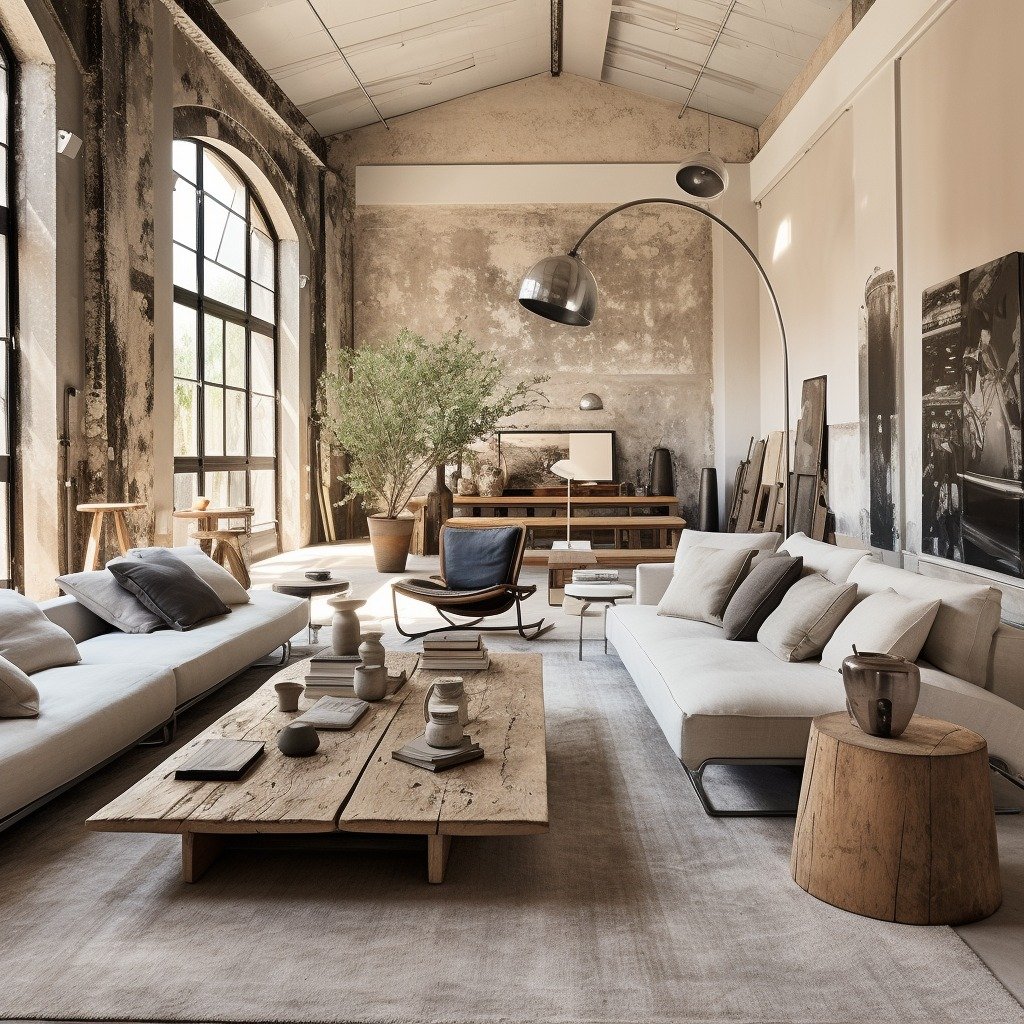
A restaurant is more than a place where people eat. It is an experience shaped by food, service, atmosphere, lighting, layout, furniture, materials, and visual identity. In a competitive market like Toronto, restaurant owners increasingly recognize that thoughtful interior design can help create a distinctive environment that customers remember and want to revisit.
Working with a professional restaurant interior designer in Toronto can help transform a basic commercial space into an inviting, functional, and visually compelling destination. From concept development and space planning to lighting, finishes, furniture, and custom details, professional restaurant design brings together aesthetics and practical considerations.
Whether you are opening a new restaurant, renovating an established location, or repositioning your brand, the right interior design strategy can make a significant difference.
1. Creating a Strong Restaurant Identity
Every successful restaurant has a personality. It may be sophisticated and luxurious, modern and minimalist, warm and traditional, or energetic and contemporary.
Interior design gives that personality a physical form.
A restaurant interior designer Toronto can help translate your brand identity into a cohesive environment. The choice of colors, textures, furniture, artwork, lighting, materials, and architectural details can all contribute to the story a restaurant tells.
For example, a high-end restaurant may use natural stone, refined wood, custom furniture, soft lighting, and carefully selected decorative elements to create an elegant atmosphere. A casual restaurant might use bold colors, creative wall treatments, exposed materials, and flexible seating to create a more relaxed environment.
The objective is to make the interior feel connected to the restaurant’s concept rather than simply filling the space with attractive furniture.
2. Maximizing Available Space
Toronto restaurants operate in a variety of spaces, from compact urban locations to large commercial properties. Regardless of the size, efficient space planning is essential.
A professional designer considers how customers and staff will move through the restaurant. The layout needs to accommodate dining areas, reception, waiting spaces, service stations, kitchens, washrooms, storage, and circulation routes.
Poor planning can make a restaurant feel crowded even when there is sufficient square footage. Conversely, an inefficiently arranged large restaurant can feel empty or disconnected.
A restaurant interior designer can develop a layout that balances customer comfort with operational efficiency. Tables can be positioned to provide appropriate spacing, while pathways can be planned to reduce unnecessary movement between the kitchen, service areas, and dining room.
The result is a space that looks better and works better.
3. Designing an Atmosphere Customers Remember
Atmosphere plays an important role in the overall dining experience.
Lighting, acoustics, color, furniture, ceiling treatments, flooring, and wall finishes all contribute to how customers perceive a restaurant.
For instance, warm lighting and natural materials can create an intimate atmosphere, while brighter lighting, contemporary furniture, and clean architectural lines can support a modern casual concept.
A professional designer looks at these elements as parts of one overall composition.
Rather than choosing individual products independently, the designer can create a coordinated design language throughout the restaurant. This helps ensure that the dining room, entrance, bar, private dining area, and other spaces feel visually connected. Also check for High End Interior Designers Toronto
4. Choosing Materials for Style and Durability
Restaurant interiors experience considerably more activity than many residential environments. Floors, furniture, countertops, walls, doors, and other surfaces can experience constant use.
Therefore, restaurant design needs to balance aesthetics with durability.
A restaurant interior designer in Toronto can help select materials that suit both the design concept and the practical demands of a commercial environment. Flooring, upholstery, countertops, wall coverings, cabinetry, and hardware should be considered based on appearance, maintenance requirements, durability, and expected use.
For a luxury restaurant, for example, natural stone and premium wood may be incorporated alongside durable commercial-grade finishes. In a high-traffic casual restaurant, materials that are easy to clean and maintain may receive greater consideration.
The goal is not simply to choose the most expensive materials. It is to select materials that support the restaurant’s concept while making sense for everyday operations.
5. Using Lighting to Transform the Space
Lighting is one of the most powerful tools in restaurant interior design.
The same restaurant can feel completely different depending on its lighting strategy.
Ambient lighting provides overall illumination, while accent lighting can highlight architectural details, artwork, tables, counters, or decorative features. Pendant lights, wall sconces, recessed fixtures, and concealed lighting can each create different visual effects.
Lighting can also help establish different moods throughout the day.
A restaurant that serves breakfast and lunch may require a brighter, energetic environment during the day, while dinner service may benefit from softer, more atmospheric lighting.
A professional restaurant designer considers both decorative and functional lighting requirements to create an environment that supports the restaurant’s concept and customer experience.
6. Designing Comfortable and Functional Seating
Restaurant furniture needs to look attractive, but comfort and functionality are equally important.
Customers may spend an hour or more at a table, particularly during dinner, celebrations, business meals, or social gatherings. Seating should therefore complement the overall design while providing an appropriate level of comfort.
A restaurant interior designer can help determine the right combination of chairs, banquettes, booths, bar seating, and tables.
Custom seating can also be useful when a restaurant has an unusual floor plan or wants to create a distinctive visual feature.
The arrangement of seating can further influence the atmosphere. Closely positioned tables can create an energetic social environment, while strategically separated seating can provide a more intimate dining experience.
7. Incorporating Custom Design Details
Unique details can help a restaurant differentiate itself from competitors.
Custom millwork, feature walls, artistic installations, decorative ceilings, branded elements, statement lighting, and specially designed furniture can all become memorable components of a restaurant interior.
These details can also provide opportunities for photography and social media content.
In today’s digital environment, customers frequently photograph and share visually interesting restaurants. A thoughtfully designed feature wall, distinctive bar, dramatic entrance, or carefully styled dining area can become part of the restaurant’s visual identity.
However, the strongest design details usually have a purpose beyond simply looking impressive. They should complement the restaurant’s brand and contribute to the overall experience.
8. Creating a Cohesive Brand Experience
A restaurant’s interior should work together with its broader brand identity.
The logo, menu design, website, signage, packaging, uniforms, social media presence, and physical environment can all communicate the same visual language.
For example, if a restaurant positions itself as an upscale contemporary destination, its interior should support that positioning through refined materials, sophisticated furniture, controlled lighting, and consistent visual details.
This consistency can make the brand easier for customers to recognize and remember.
A restaurant interior designer can work with the restaurant’s branding direction to ensure that the physical space supports the identity being presented across other customer touchpoints.
9. Designing for Different Types of Dining Experiences
Modern restaurants often need to accommodate multiple customer needs.
Some guests may visit for a quick lunch, while others may spend several hours enjoying dinner. Restaurants may also host birthdays, private events, business meetings, celebrations, or larger groups.
Flexible design can help accommodate these different occasions.
Movable tables, adaptable seating arrangements, private dining spaces, flexible partitions, and multifunctional areas can provide greater versatility.
For restaurants with bars, lounges, or outdoor dining areas, these spaces can also be designed as extensions of the primary dining experience.
A thoughtful layout allows different areas to have their own character while maintaining a consistent overall design.
10. Considering Toronto’s Diverse Design Landscape
Toronto is known for its diverse neighborhoods, architecture, cultures, and dining concepts. This creates opportunities for restaurant owners to develop highly distinctive interiors.
A restaurant might draw inspiration from its cuisine, neighborhood, architecture, or cultural influences. However, successful design does not necessarily mean reproducing traditional styles literally.
Instead, designers can reinterpret cultural or culinary influences through contemporary materials, colors, artwork, architectural forms, and decorative details.
This approach can create an interior that feels authentic while still appealing to a modern Toronto audience.
How to Choose a Restaurant Interior Designer in Toronto
Choosing the right designer is an important part of a restaurant project. Restaurant owners should consider experience with commercial interiors, understanding of restaurant operations, portfolio quality, project management capabilities, and familiarity with the practical requirements of hospitality spaces.
It is also useful to discuss the project’s budget, timeline, design objectives, expected customer experience, and operational requirements at the beginning.
A good designer should be able to explain how the proposed design supports both the visual identity and practical operation of the restaurant.
Conclusion
A thoughtfully designed restaurant can influence how customers experience a brand from the moment they walk through the door. From space planning and lighting to furniture, materials, branding, and custom details, every element contributes to the overall environment.
Hiring a professional restaurant interior designer in Toronto can help restaurant owners create spaces that are visually distinctive, comfortable, functional, and aligned with their brand identity.
The most effective restaurant interiors are not simply beautiful. They are carefully planned environments where design and functionality work together to support customers, staff, and the restaurant’s long-term identity.