

hoosing a stock broker in the UK depends on what you want to do with your money. Some platforms are made for beginners who want to buy shares all the time while others have tools for research access to global markets or accounts for saving for the long term. The costs can also be very different.
A stock broker works as a connection between an investor and the financial markets. Using a site people can buy and sell shares, exchange-traded funds (ETFs) and other kinds of investments. Many UK companies also offer a Stocks and Shares ISA, which lets certain investments grow without paying taxes in the UK and some have self-invested pensions (SIPPs).
This list looks at 10 known stockbroking and investment platforms that UK investors can use. The choice takes into account their presence in the market, the variety of investments, the types of accounts they offer, the fees they charge and information the company shares with the public. It is a comparison made by editors, not a list that shows which broker is popular or a promise that any broker is right for every person.
Costs and what is available can change, so check the details from the provider before opening an account. Investing has risks: the value of shares can go down. You might get back less than you put in.
1. Hargreaves Lansdown
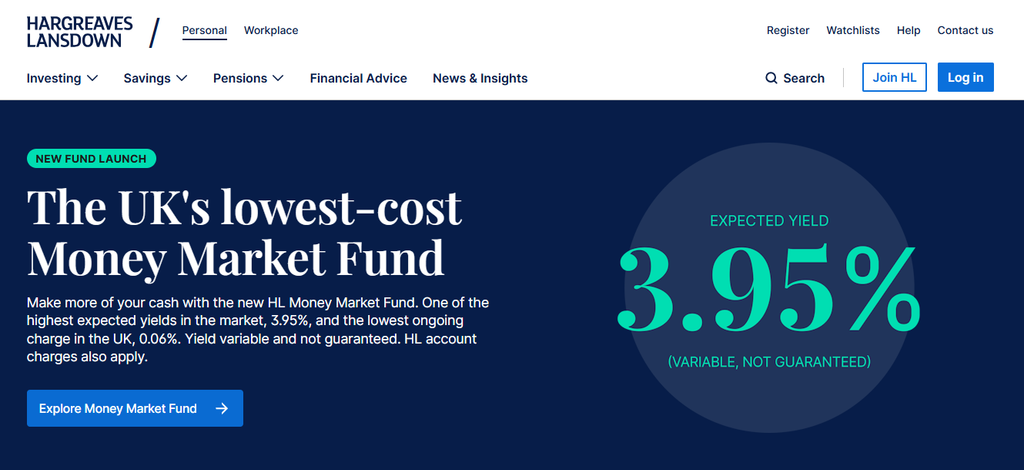
Hargreaves Lansdown is an established name in UK investing for people who want to manage their own investments while having access to research and account support.
| Founded: 1981 |
| Headquarters: Bristol, England |
| Latest Revenue: £860.6 million (FY2025) |
| Latest Net Income/PAT: £278.5 million (FY2025 profit for the financial year) |
| Main Products/Services: Share dealing, Stocks and Shares ISAs, SIPPs, funds and investment accounts |
The company was founded by Peter Hargreaves and Stephen Lansdown. It began by providing information on unit trusts and tax planning before expanding into investment accounts and other financial services.
Its platform gives customers access to shares, funds, ETFs and other investments. Investors can also use its research and market information when deciding what to buy. These features may appeal to people who want more than a trading app.
The cost deserves attention though. Dealing fees and account charges can affect returns for investors who make frequent trades or hold a smaller portfolio. Hargreaves Lansdown is included because of its history, broad investment offering and established place in the UK private-investor market.
2. Interactive Investor
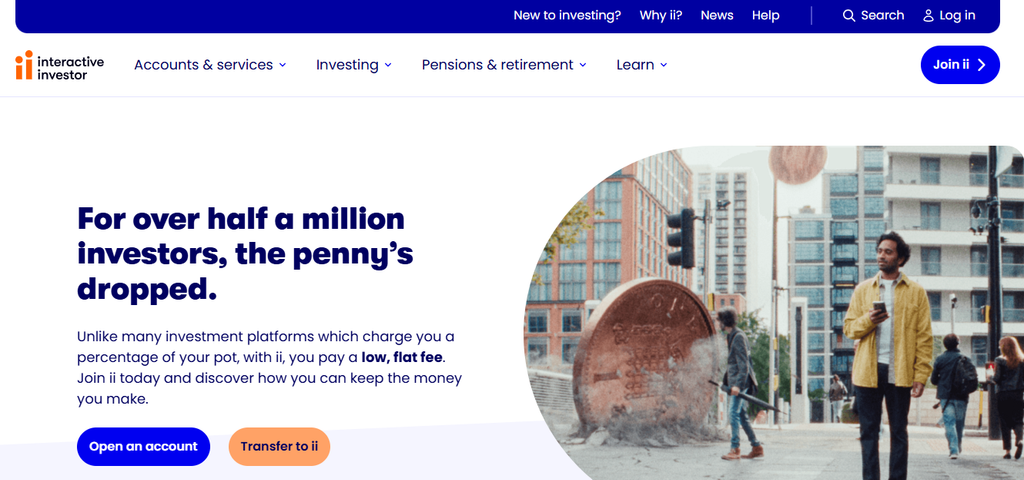
Interactive Investor takes a subscription-based approach to investing. By relying only on percentage-based account charges it offers plans with monthly fees, which can suit people who prefer a more predictable cost.
| Founded: 1995 |
| Headquarters: Manchester, England |
| Latest Revenue: Platform-level revenue not publicly disclosed separately |
| Latest Net Income/PAT: Platform-level figure not publicly disclosed separately |
| Main Products/Services: Share dealing, Stocks and Shares ISAs, SIPPs, funds and investment accounts |
Interactive Investor often called ii gives customers access to UK and international shares, funds, ETFs and investment trusts. It also offers tax- accounts, including ISAs and SIPPs for eligible investors. Its monthly subscription plans include account features and dealing allowances so customers should check which plan fits their needs.
A subscription can be worth comparing if you invest regularly or hold a portfolio. However a monthly fee may be less attractive for someone who invests a small amount or makes very few transactions.
Interactive Investor is part of Aberdeen Group. The platform’s own revenue and net profit are not separately stated in the figures used for this comparison so Aberdeen’s wider financial results should not be presented as iis earnings.
3. AJ Bell
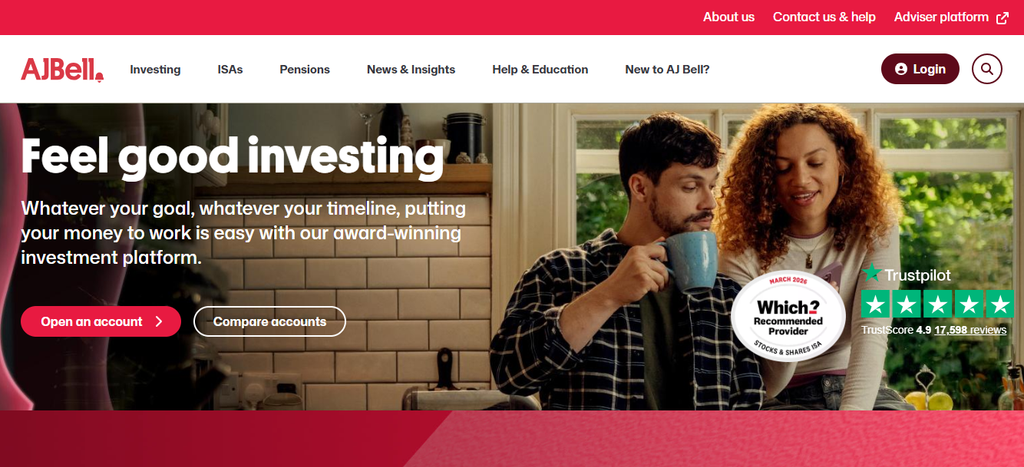
AJ Bell began with pension administration. Has grown into a well-known UK investment platform. It offers accounts for people who want to choose their investments alongside products designed for retirement saving.
| Founded: 1995 |
| Headquarters: Manchester, England |
| Latest Revenue: £317.8 million (FY2025) |
| Latest Net Income/PAT: Not stated here as a separate figure; FY2025 profit before tax was £137.8 million |
| Main Products/Services: Share dealing, Stocks and Shares ISAs, SIPPs, funds and investment accounts |
AJ Bell was co-founded by Andy Bell and Nicholas Littlefair. Its current offering covers shares, funds, ETFs and investment trusts well as pension and ISA accounts. The company reported £317.8 million in revenue and £137.8 million in profit before tax for the year ended 30 September 2025.
One thing to compare is the platform charge alongside dealing fees. AJ Bell uses percentage-based account charges for some investments, with caps or different arrangements depending on the account. The total cost can therefore vary with the size of a portfolio and the type of investment held.
Its range of accounts and reported financial results make it a relevant option for investors comparing established UK platforms. However lower charges alone do not make an investment suitable; the investor still needs to decide what to buy and understand the risks.
4. Trading 212
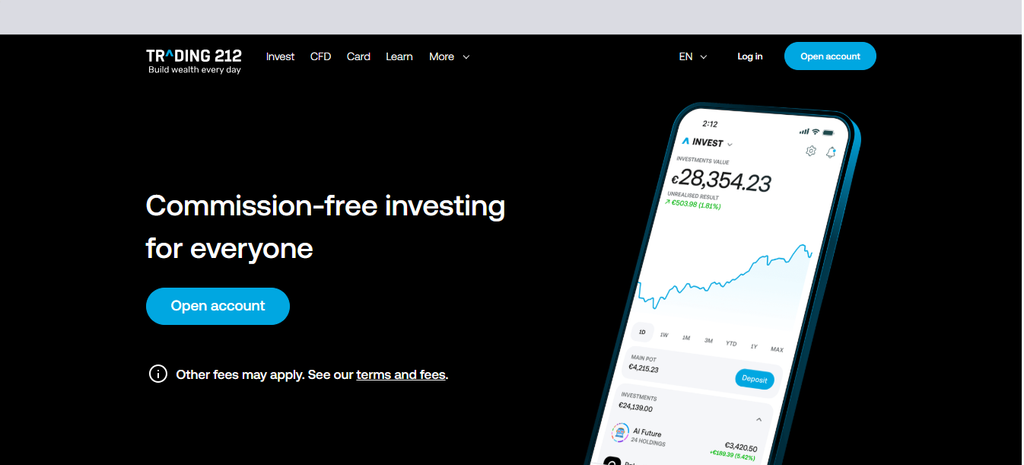
Trading 212 is known for its app-based approach, which aims to make investing straightforward for people managing their money. The company was founded in 2004. Has built an international presence through its digital platform.
| Founded: 2004 |
| Headquarters: Operates from several locations, including London and Limassol |
| Latest Revenue: Not publicly disclosed in the information used here |
| Latest Net Income/PAT: Not publicly disclosed in the information used here |
| Main Products/Services: Share dealing, Stocks and Shares ISAs, ETFs and investment accounts |
Trading 212 allows eligible UK customers to buy shares and ETFs through its app. Its Stocks and Shares ISA terms list zero trading commission and no custody fee although currency conversion and certain deposit methods can involve charges.
For someone who wants to start with amounts, the platform’s low minimum trade value can be useful. Its digital-first design may also appeal to people who prefer managing investments on a phone than using a traditional brokerage website.
Still “commission-free” does not mean every transaction is free. Investors should check foreign exchange charges, applicable taxes and the terms of the account. Trading 212 is privately. The company-level financial figures used for this comparison do not provide a verified public revenue or net income figure.
5. Fidelity Personal Investing

Fidelity is an investment business with a long history in fund management. Its UK personal-investing service offers more than a share-trading facility making it relevant to people who want to hold funds and shares within the same account.
| Founded: Fidelity Investments was established in 1946 |
| Headquarters: Boston, Massachusetts, United States, for Fidelity Investments |
| Latest Revenue: UK personal-investing revenue not publicly disclosed separately |
| Latest Net Income/PAT: UK personal-investing net income not publicly disclosed separately |
| Main Products/Services: Stocks and Shares ISAs, SIPPs, investment accounts, shares and funds |
Fidelity’s UK platform offers shares, ETFs, investment trusts and funds along with accounts for saving and investment needs. Its fee structure varies according to the account portfolio size and how the customer invests. For example its published charges include a £7.50 share-dealing fee and service fees that depend on the value and type of investments held.
Investors who want to combine shares with funds may find this broad selection useful. Fidelity also provides investment information and guidance tools although customers choosing their investments remain responsible for their decisions.
The figures for its UK personal-investing service are not separately disclosed in the information used here. It would be misleading to label the revenue of an international parent business as the earnings of the UK brokerage platform.
6. IG
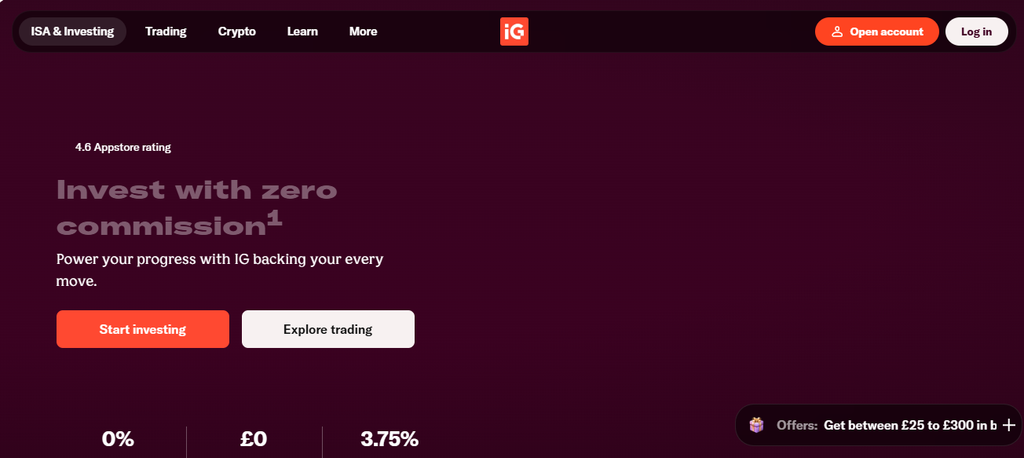
IG has been operating in markets since 1974. It first became known for spread betting. Later expanded into a wider range of trading and investment services. Today its UK offering includes share dealing alongside products for active traders.
| Founded: 1974 |
| Headquarters: London, England |
| Latest Revenue: £1.0759 billion (IG Group, FY2025) |
| Latest Net Income/PAT: Not stated here as a separate figure |
| Main Products/Services: Share dealing, Stocks and Shares ISAs, SIPPs, ETFs and trading products |
IG gives customers access to shares and ETFs through different account types. Its UK share-dealing service lists commission- trading on eligible shares and ETFs but other costs can still apply, including foreign exchange fees and government taxes. The exact charges depend on the market and account settings.
There is a difference between buying a share and trading a contract that follows its price. Share dealing involves owning the investment while products such as contracts for difference (CFDs) and spread bets work differently and can involve risk particularly when leverage is used.
IG belongs on this list because it offers both investing and more advanced trading services. New investors should make sure they understand which product they are using before placing a trade. The revenue figure above is for IG Group as a whole not its share-dealing service
7. Barclays Smart Investor
Barclays Smart Investor may be worth considering for people who already use Barclays for banking and want to manage investments through a financial provider. It offers investment accounts and research tools alongside access to a range of investment products.
| Founded: Smart Investor is a Barclays service; a separate founding year is not applicable |
| Headquarters: London, England, for Barclays |
| Latest Revenue: Smart Investor revenue not publicly disclosed separately |
| Latest Net Income/PAT: Smart Investor net income not publicly disclosed separately |
| Main Products/Services: Share dealing, investment accounts, Stocks and Shares ISAs, SIPPs and funds |
The platform provides access to shares, funds and other investments and its Research Centre includes market information and investment material. Customers can also manage account fees through options such as Direct Debit or by paying from cash held in their account.
Its connection with a banking group may appeal to existing Barclays customers although investors should still compare its charges and investment choices with independent platforms.
The financial results of Barclays cover a wider banking business. The revenue and profit of Smart Investor are not separately reported in the sources used here. The bank’s total earnings should not be presented as the platform’s financial performance.
8. Halifax Share Dealing
Halifax Share Dealing is another established option for UK investors who want to buy and sell shares without using a specialist trading app. It offers share-dealing accounts and tax-efficient investment accounts, including Stocks and Shares ISAs.
| Founded: A separate founding year for the share-dealing service is not applicable |
| Headquarters: Halifax, West Yorkshire, England, for the Halifax brand’s historical origins; the service is part of Lloyds Banking Group |
| Latest Revenue: Share-dealing revenue not publicly disclosed separately |
| Latest Net Income/PAT: Share-dealing net income not publicly disclosed separately |
| Main Products/Services: Online share dealing, Stocks and Shares ISAs, funds and SIPPs |
The service lets customers put money into UK shares and funds. It also allows people to add money regularly every month. Halifax has an online dealing fee of £9.50 for shares and funds. The company also has an annual fee for an ISA or share-dealing account. The offers and fees might change so customers should check the up-to-date list.
Regular investing can help people who want to keep adding money without trying to guess when to buy.. Investors should still look at the dealing costs and make sure the investments fit what they need.
Halifax is part of Lloyds Banking Group. Because of this its share-dealing service does not have a financial profile like a company that only does share dealing.
9. Saxo
Saxo is an investment platform that gives access to shares and other financial markets. It may interest investors who want overseas investments and more detailed tools for the market.
| Founded: 1992 |
| Headquarters: Copenhagen, Denmark |
| Latest Revenue: UK brokerage revenue not publicly disclosed separately |
| Latest Net Income/PAT: UK brokerage net income not publicly disclosed separately |
| Main Products/Services: Shares, ETFs, bonds, funds, Stocks and Shares ISAs and SIPPs |
Saxo gives access to thousands of shares in markets. Its UK site shows stock commissions low as 0.08%. The actual rate depends on the market and the account level. Currency conversion and custody charges could also apply. So the main commission is one part of the total cost.
The platform has market analysis and research tools that help investors compare options. It also offers financial products so users need to know the difference between regular share investing and trading more complex items.
Saxo is included because of its access to markets and the range of investment products.. People who only want to buy a few UK shares might not need all of the tools. The UK brokerage revenue and net income for Saxo are not shared separately in the information used for this article.
10. XTB
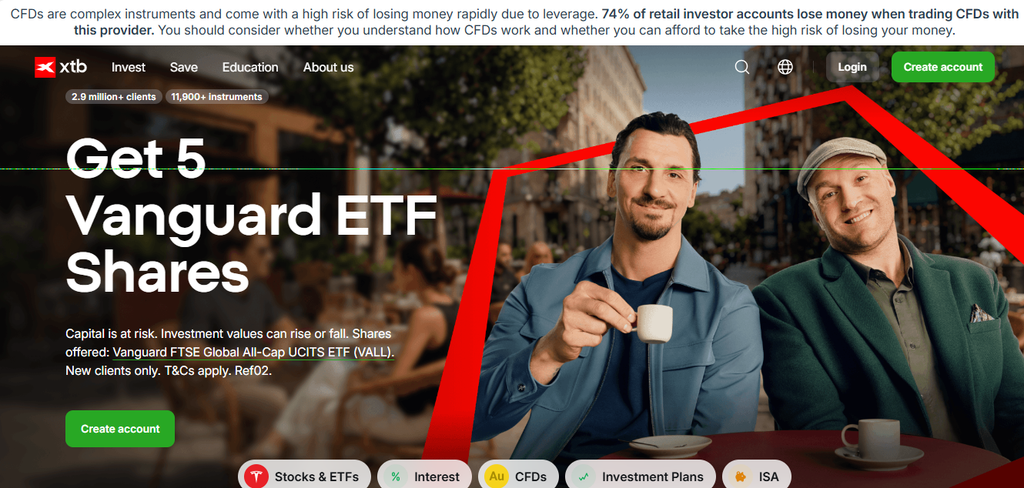
XTB is a financial services company that has grown into several markets, including the UK. Its platform lets people invest in shares and ETFs as well as trade products like CFDs. Customers should pay attention to the product they choose.
| Founded: 2002, as the predecessor business to XTB |
| Headquarters: Warsaw, Poland |
| Latest Revenue: UK brokerage revenue not publicly disclosed separately |
| Latest Net Income/PAT: UK brokerage net income not publicly disclosed separately |
| Main Products/Services: Shares, ETFs, investment accounts, CFDs and educational material |
XTB offers shares and ETFs from markets around the world. Its published UK fee guide says real shares and ETFs are free of commission up to €100,000 in turnover. A commission applies if the amount is higher. Currency conversion charges may also happen when the investment and account currencies are different.
The company also gives articles and tools for people who are learning about financial markets. These can help users get the basics. They do not stop the risk of losing money.
XTB is listed on the Warsaw Stock Exchange.. The figures for its UK brokerage business are not shared separately in the information used here. Investors should also be careful not to mix share ownership with CFD trading. The risks and costs can be very different.
Top 10 Stock Brokers in UK: Comparison
| Rank | Company / Platform | Founded | Latest Revenue | Main Services |
| 1 | Hargreaves Lansdown | 1981 | £860.6 million (FY2025) | Buying shares, funds and retirement investments |
| 2 | Interactive Investor | 1995 | Not publicly reported separately | Shares, funds and investment accounts |
| 3 | AJ Bell | 1995 | £317.8 million (FY2025) | Shares, funds and retirement investments |
| 4 | Trading 212 | 2004 | Not publicly disclosed | Buying shares and ETFs through an app |
| 5 | Fidelity Personal Investing | Parent company established in 1946 | UK platform revenue not separately reported | Shares, funds and retirement investments |
| 6 | IG | 1974 | £1.0759 billion (IG Group, FY2025) | Shares, ETFs and trading services |
| 7 | Barclays Smart Investor | Part of Barclays | Not publicly reported separately | Shares, funds and investment accounts |
| 8 | Halifax Share Dealing | Part of Lloyds Banking Group | Not publicly reported separately | Shares, funds and investment accounts |
| 9 | Saxo | 1992 | UK platform revenue not separately reported | International shares, ETFs and bonds |
| 10 | XTB | 2002 | UK platform revenue not separately reported | Shares, ETFs and trading services |
What Should You Check Before Choosing a Stock Broker in the UK?
Start by deciding how you plan to invest. If you want to buy a share every month look at dealing fees, minimum investment amounts and any account charges. If you have a portfolio, compare percentage-based fees with fixed monthly subscriptions. For shares foreign exchange charges can make a noticeable difference.
Think about the account type well. A Stocks and Shares ISA offers tax advantages under UK rules for investments while a SIPP is designed for retirement saving. Not every provider offers every account.
Finally check the firm’s status. The UKs Financial Conduct Authority (FCA) provides a Financial Services Register where you can check whether a firm is authorised and what activities it is permitted to carry out.
Conclusion
The UK stockbroking market includes investment platforms, mobile-first apps and international trading providers. Some focus on term investing and retirement accounts while others offer wider market access or tools for active traders.
Before opening an account, compare the cost, available investments, customer support and account features. Importantly understand what you are buying and the risks involved. A low fee can be useful. It should not be the only factor behind an investment decision.
FAQs
1. What are the top 10 stock brokers in the UK?
Established options include Hargreaves Lansdown, Interactive Investor, AJ Bell, Trading 212, Fidelity Personal Investing, IG, Barclays Smart Investor, Halifax Share Dealing, Saxo, and XTB. This is a selection based on their market presence, services, and investment options, not an official ranking or a personal recommendation.
2. Which UK stock broker is best for beginners?
The right platform depends on how much you plan to invest and what support you need. A simple app may suit someone starting with small amounts, while a platform with research and guidance tools may appeal to someone who wants more information. Compare fees, account options, and ease of use before deciding.
3. Which stock brokers offer commission-free investing?
Trading 212 lists zero trading commission and no custody fee for Stocks and Shares ISA transactions. IG also advertises commission-free dealing on eligible shares and ETFs. Charges can still apply for currency conversion, taxes, or other services, so read the provider’s fee schedule.
4. Can I buy US shares through a UK stock broker?
Several platforms, including Hargreaves Lansdown, Interactive Investor, Trading 212, Fidelity, and Saxo, provide access to shares. Availability varies by provider and account type. Before buying US-listed investments, check the currency conversion fee, trading charges, and any relevant tax documentation.
5. What is a Stocks and Shares ISA?
A Stocks and Shares ISA is a UK account that allows eligible investments to grow with tax advantages under ISA rules. You can hold investments such as shares and funds through a provider that offers this account type. Tax rules can vary, and individual circumstances may affect how they apply.
6. Are commission-free stock brokers completely free?
Not always. A provider may charge no commission for buying or selling shares but still apply currency conversion fees, account charges, or other costs. Government taxes may also apply to transactions. Check the overall cost of investing rather than comparing the commission figure alone.
7. What is the difference between a stock broker and a trading platform?
A stock broker executes transactions in financial markets on behalf of customers. A trading platform is the website or app through which users place orders and manage their investments. Many modern providers offer both the brokerage service and the digital platform under the same brand.
8. How can I check whether a UK stock broker is regulated?
Use the FCA’s Financial Services Register to search for the firm and confirm its authorisation status and permitted activities. Check the firm’s details rather than relying only on advertisements or links shared online. This is especially important because unauthorised firms may imitate legitimate investment businesses.
9. Can I lose money when investing through a stock broker?
Yes. A broker provides access to investments but cannot guarantee profits. Share prices can fall because of company performance, market conditions, and other factors. You may receive less than you invested, so consider your financial position, understand the risks, and avoid investing money you cannot afford to lose.